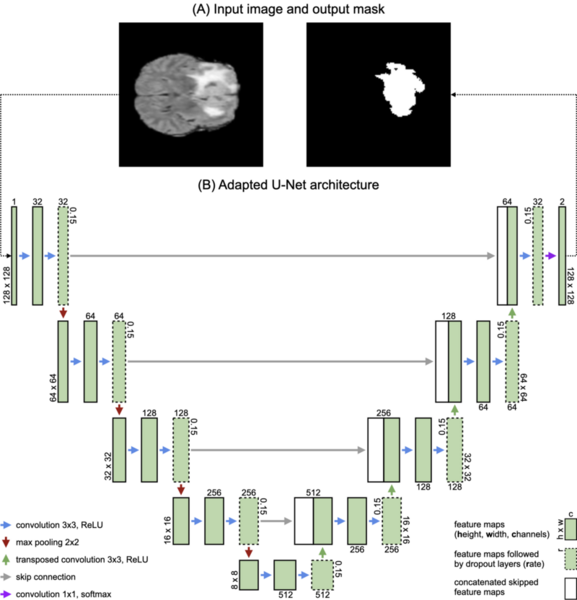
This study compares the performance of two deep learning models, U-Net and DeconvNet, for segmenting gliomas from MRI scans.
Read More...Advancements in glioma segmentation: comparing the U-Net and DeconvNet models
This study compares the performance of two deep learning models, U-Net and DeconvNet, for segmenting gliomas from MRI scans.
Read More...Exploring the possibilities for reactions between SiW and alkaline solutions to be renewable energy sources
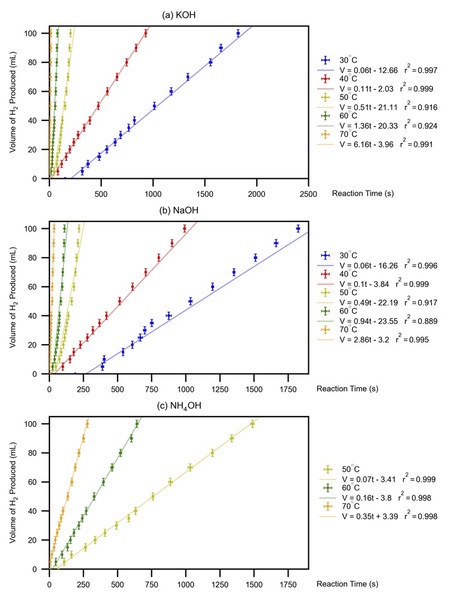
The authors looked at hydrogen gas production and how reaction temperature, concentration and alkaline solution used impacted the overall reaction with silicon. They found that all alkaline solutions tested would be viable options for using silicon waste to produce hydrogen gas to be used a renewable energy source.
Read More...The juxtaposition of anatomy and physics in the eye
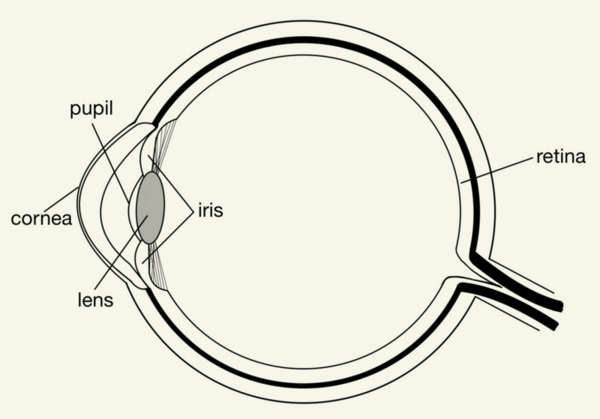
People are quick to accept the assumption that a light will appear dimmer the farther away they are, citing the inverse square relationship that illuminance obeys as rationale. However, repeated observations of light sources maintaining their brightness over large distances prompted us to explore how the brightness, or perceived illuminance of a light varies with the viewing distance from the object. We hypothesized that since both the illuminance of the light source and image size decrease at the same rate, then the concentration, or intensity of the image remains unchanged, and subsequently the perceived illuminance.
Read More...Machine learning-based enzyme engineering of PETase for improved efficiency in plastic degradation

Here, recognizing the recognizing the growing threat of non-biodegradable plastic waste, the authors investigated the ability to use a modified enzyme identified in bacteria to decompose polyethylene terephthalate (PET). They used simulations to screen and identify an optimized enzyme based on machine learning models. Ultimately, they identified a potential mutant PETases capable of decomposing PET with improved thermal stability.
Read More...Hybrid Quantum-Classical Generative Adversarial Network for synthesizing chemically feasible molecules
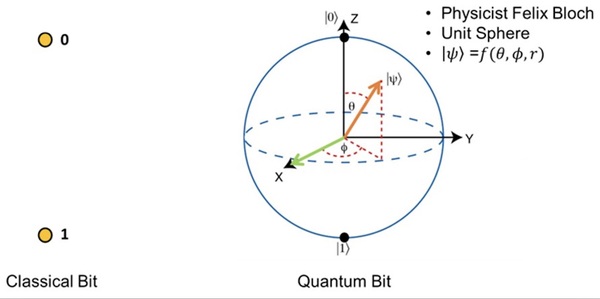
Current drug discovery processes can cost billions of dollars and usually take five to ten years. People have been researching and implementing various computational approaches to search for molecules and compounds from the chemical space, which can be on the order of 1060 molecules. One solution involves deep generative models, which are artificial intelligence models that learn from nonlinear data by modeling the probability distribution of chemical structures and creating similar data points from the trends it identifies. Aiming for faster runtime and greater robustness when analyzing high-dimensional data, we designed and implemented a Hybrid Quantum-Classical Generative Adversarial Network (QGAN) to synthesize molecules.
Read More...Geographic Distribution of Scripps National Spelling Bee Spellers Resembles Geographic Distribution of Child Population in US States upon Implementation of the RSVBee “Wildcard” Program

The Scripps National Spelling Bee (SNSB) is an iconic academic competition for United States (US) schoolchildren, held annually since 1925. However, the sizes and geographic distributions of sponsored regions are uneven. One state may send more than twice as many spellers as another state, despite similar numbers in child population. In 2018, the SNSB introduced a wildcard program known as RSVBee, which allowed students to apply to compete as a national finalist, even if they did not win their regional spelling bee. In this study, the authors tested the hypothesis that the geographic distribution of SNSB national finalists more closely matched the child population of the US after RSVBee was implemented.
Read More...The impact of temperature on the hydrolysis of potato starches into simple sugars

The authors looked at how storage temperature of potatoes can impact the sweetness of potatoes (due to the break down of the starch into simple sugars).
Read More...Exploring the Factors that Drive Coffee Ratings
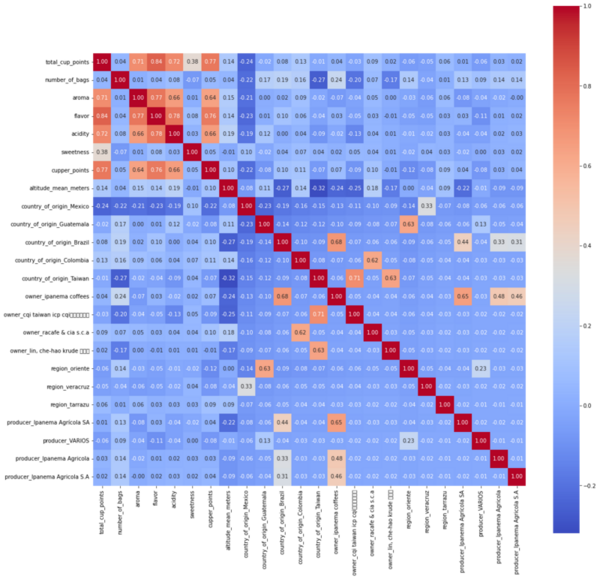
This study explores the factors that influence coffee quality ratings using data from the Coffee Quality Institute. Through a regression model based on gradient descent, the authors aimed to predict coffee ratings (total cup points) and hypothesized that sweetness and the coffee producer would be the most influential factors.
Read More...