
The authors assess a genetic variant within a well-known interaction partner of huntingtin that has been linked to modifying the age of onset of Huntington's disease.
Read More...Impact of TCERG1 SNP on gene expression and protein interactome in Huntington’s disease
The authors assess a genetic variant within a well-known interaction partner of huntingtin that has been linked to modifying the age of onset of Huntington's disease.
Read More...Using advanced machine learning and voice analysis features for Parkinson’s disease progression prediction
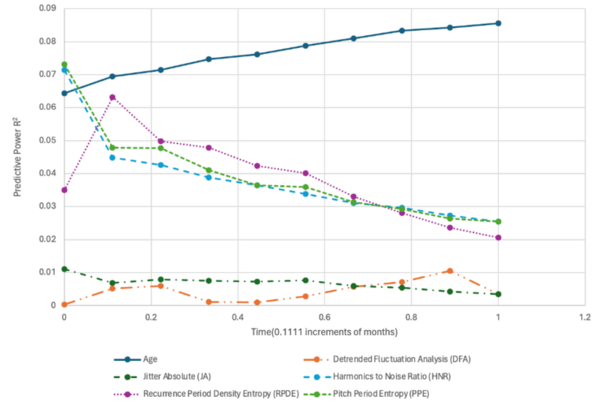
The authors looked at the ability to use audio clips to analyze the progression of Parkinson's disease.
Read More...Sex differences in sleep disorders of Parkinson’s disease patients associated with a genetic risk variant
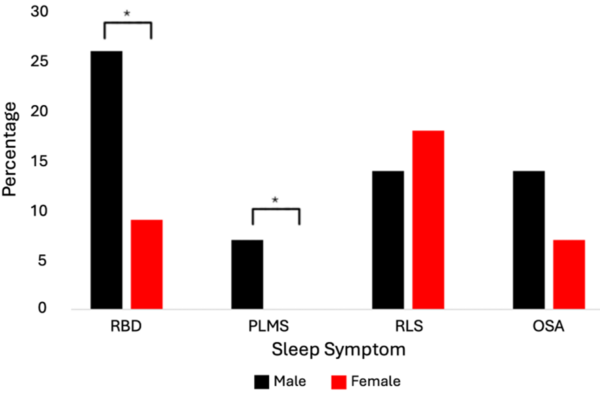
The authors use known Parkinson's disease-associated genetic variants to compare the prevalence of sleep dysfunction between males and females diagnosed with Parkinson's disease.
Read More...Machine Learning Algorithm Using Logistic Regression and an Artificial Neural Network (ANN) for Early Stage Detection of Parkinson’s Disease
Despite the prevalence of PD, diagnosing PD is expensive, requires specialized testing, and is often inaccurate. Moreover, diagnosis is often made late in the disease course when treatments are less effective. Using existing voice data from patients with PD and healthy controls, the authors created and trained two different algorithms: one using logistic regression and another employing an artificial neural network (ANN).
Read More...Mendelian randomization reveals shared genetic landscape in autism spectrum disorder and Alzheimer's disease
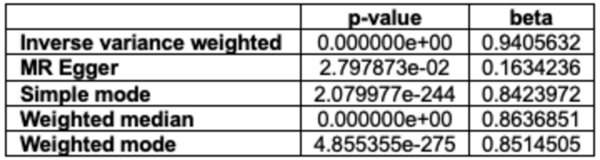
Autism Spectrum Disorder (ASD) and Alzheimer's Disease (AD) are distinct conditions, but research suggests a link, as individuals with ASD are 2.5 times more likely to develop AD. A study employing genome-wide association studies and Mendelian randomization revealed shared genetic factors, particularly in synaptic regulation pathways, that may increase the risk of AD in those with ASD. These findings provide insights into the genetic underpinnings connecting the two disorders.
Read More...Quantifying natural recovery of dopamine deficits induced by chronic stress
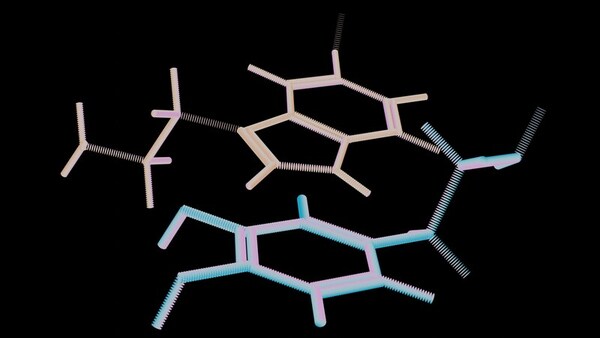
Here the authors investigated the natural recovery of stress-induced dopamine-related gene deficits in C. elegans by measuring the expression of cat-2 (dopamine biosynthesis) and sod-2 (oxidative stress) following exposure to starvation or hydrocortisone. They found that the reversibility of sod-2 and the expression of cat-2 were highly dependent on the type and severity of the stressor, suggesting that the body's natural ability to recover from dopamine dysfunction has biological limitations.
Read More...Association between nonpharmacological interventions and dementia: A retrospective cohort study

Here, the authors investigated the role of nonpharmacological interventions in preventing or delaying cognitive impairment in individuals with and without dementia. By using a retrospective case-control study of 22 participants across two senior centers in San Diego, they found no significant differences in self-reported activities. However, they found that their results reflected activity rather than the activity itself, suggesting the need for an alternative type of study.
Read More...The effect of natural phenolic compounds on reducing oxidative stress
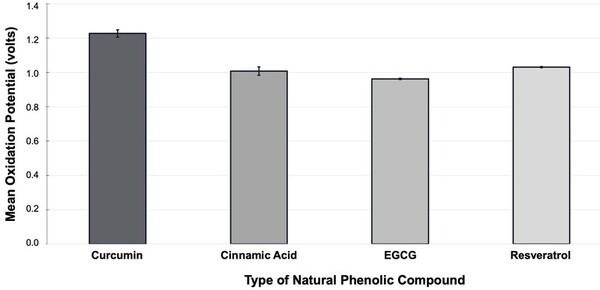
The authors looked at the potential of different phenolic compounds to reduce oxidative stress (i.e., act as antioxidants).
Read More...The Effects of Antioxidants on the Climbing Abilities of Drosophila melanogaster Exposed to Dental Resin
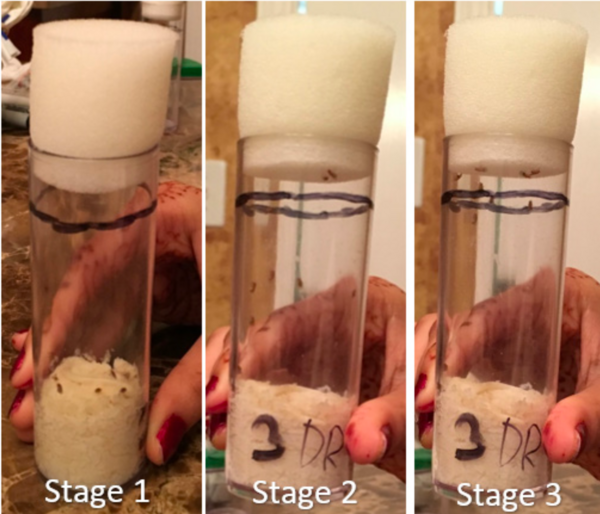
Dental resins can be a source of reactive oxygen species (ROS) which in unruly amounts can be toxic to cellular and overall health. In this report, the authors test whether the consumption of antioxidant rich foods like avocado and asparagus can protect against the effect of dental resin-derived ROS. However, rather than testing humans, they use fruit flies and their climbing abilities as an experimental readout.
Read More...The Effect of Caffeine on the Regeneration of Brown Planaria (Dugesia tigrina)
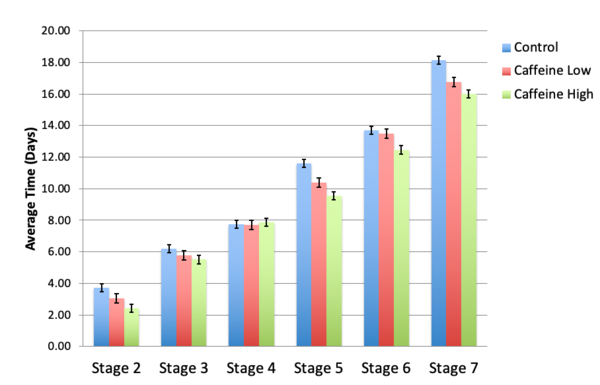
The degeneration of nerve cells in the brain can lead to pathologies such as Parkinson’s disease. It has been suggested that neurons in humans may regenerate. In this study, the effect of different doses of caffeine on regeneration was explored in the planeria model. Caffeine has been shown to enhance dopamine production, and dopamine is found in high concentrations in regenerating planeria tissues. Higher doses of caffeine accelerated planeria regeneration following decapitation, indicating a potential role for caffeine as a treatment to stimulate regeneration.
Read More...