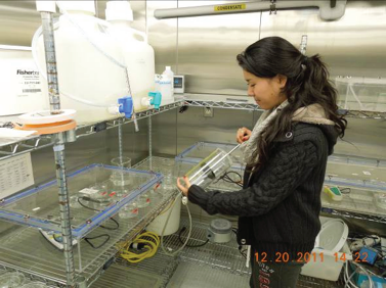
This study examines the effects of carbon dioxide and pH on the development of red abalone shells.
Read More...The Effects of Ocean Acidification on the Development and Calcification of the Larval Shells of the Red Abalone Haliotis rufescens Swainson, 1822
This study examines the effects of carbon dioxide and pH on the development of red abalone shells.
Read More...Temperature and Precipitation Responses to a Stratospheric Aerosol Geoengineering Experiment Using the Community Climate System Model 4
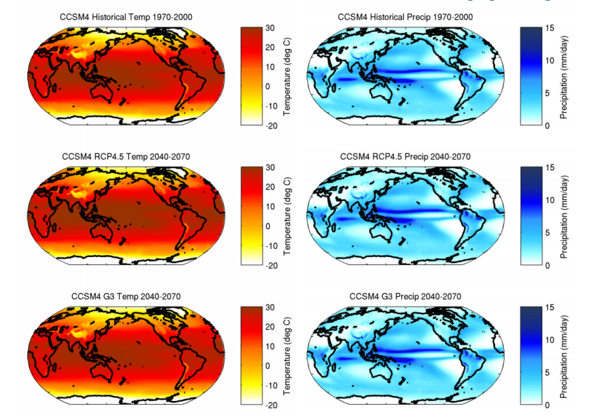
We are changing our environment with steadily increasing carbon dioxide emissions, but we might be able to help. The authors here use a computer program called Community Climate System Model 4 to predict the effects of spraying small particles into the atmosphere to reflect away some of the sun's rays. The software predicts that this could reduce the amount of energy the Earth's atmosphere absorbs and may limit but will not completely counteract our carbon dioxide production.
Read More...Effects of Various Environmental Factors on Stomatal Density, Area, and Potential Conductance Index

In this study, the authors investigate the combinatorial effects of CO2 plus other environmental factors including salinity, temperature, acidity, and drought on how effectively plants can transport water and carbon through their stomata.
Read More...Different volumes of acetic acid affect the oxygen production of spinach leaves during photosynthesis
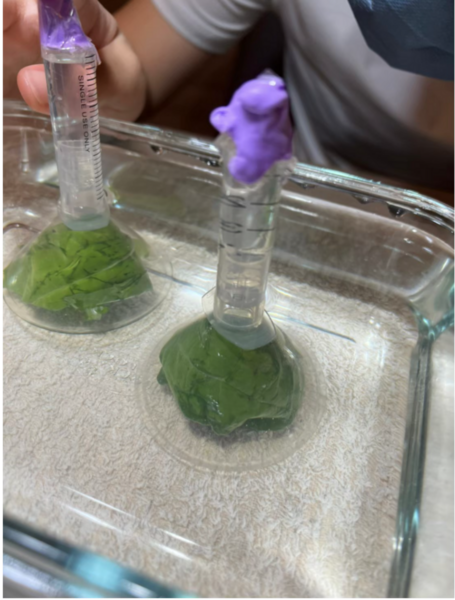
The burning of fossil fuels, leading to an increased amount of carbon emissions, is the main cause of acid rain. Acid rain affects the process of photosynthesis, which makes the topic valuable to investigate. Our group utilizes plants to further investigate the relationship between pH value and photosynthesis. In this experiment, our group hypothesized that rain with a lower pH will decrease the rate of photosynthesis, causing less oxygen to be produced in the reaction.
Read More...Correlating inlet gas composition to conversion efficiency in plasma-assisted landfill gas reforming
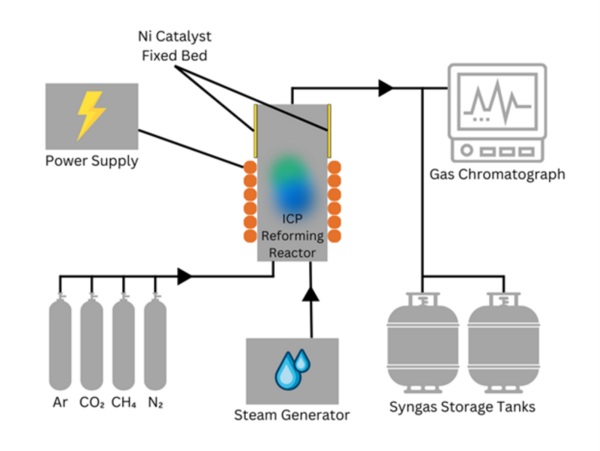
The escalating crisis of climate change, driven by the accumulation of greenhouse gases from human activities, demands urgent and innovative solutions to curb rising global temperatures. Plasma-based methane (CH4) and carbon dioxide (CO2) reforming offers a promising pathway for carbon capture and the sustainable production of hydrogen fuel and syngas components. To advance this technology, particularly in terms of energy efficiency and selectivity, it is essential to enhance the conversion efficiencies of CO2 and CH4.
Read More...The optimization of high-protein duckweed cultivation in eutrophicated water with mutualistic bacteria
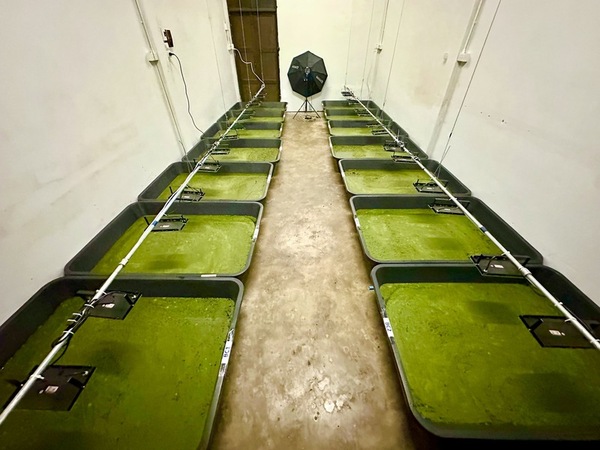
he rapid growth of the human population is driving food crises in Thailand and Southeast Asia, while contributing to global food insecurity and a larger carbon footprint. One potential solution is cultivating duckweed (Wolffia globosa) for consumption, as it grows quickly and can provide an alternative protein source. This research explored two methods to optimize duckweed cultivation: using phosphorus- and nitrogen-rich growing media and plant growth-promoting bacteria (PGPB).
Read More...Fabrication of CuSbS2 Solar Cells by Sulfurization of Thermally Evaporated Metal Stacks
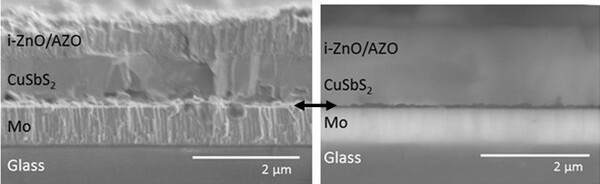
In this article, the authors created CuSbS2 solar cells. They discovered that the cells' efficiency was affected by the formation of MoS2. By incorporating a layer of single-walled carbon nanotubes, however, they were able to prevent MoS2 formation and increase the device's efficiency.
Read More...An analysis of the mechanical properties of fencing swords, and implications for weapon selection

The sword is the most important piece of equipment a fencer uses. In this study, we compared the mechanical and physical properties of two of the most common types of swords used in foil fencing.We that found that maraging steel blades had a significantly greater stiffness and were damped more effectively than low carbon steel blades. These properties affect how the blade behaves during particular maneuvers and techniques, and our findings therefore provide useful insights for fencers who want to select the optimal sword configuration to suit their personal style.
Read More...Scientific project in physics "Carbonated liquids and carbonation level"
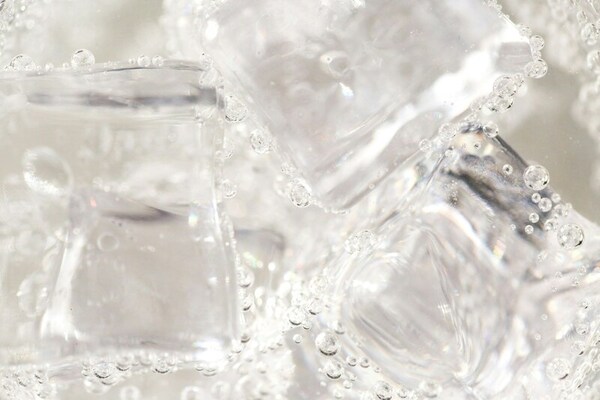
In our work we followed the formation of gas bubbles on the surface of the vessel walls in different carbonated liquids, over different time intervals, at different temperatures and in vessels made of different materials. Our results made it possible to identify patterns affecting the process of formation and disappearance of carbon dioxide bubbles.
Read More...Effects of an Informational Waste Management App on a User’s Waste Disposal Habits
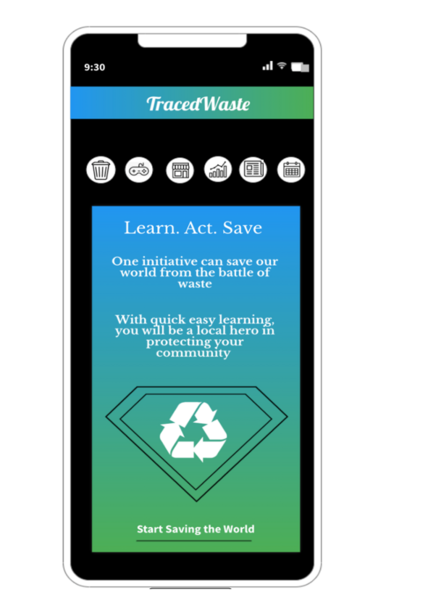
While 75% of waste in the United States is stated to be recyclable, only about 34% truly is. This project takes a stance to combat the pillars of mismanaged waste through a modern means of convenience: the TracedWaste app. The purpose of this study was to identify how individuals' waste disposal habits improved and knowledge increased (i.e. correctly disposing of waste, understanding negative incorrect waste disposal) due to their use of an informational waste management app as measured by a survey using a 1-5 Likert Scale. The results showed that the TracedWaste app helped conserve abundant resources such as energy and wood, decrease carbon emissions, and minimize financial toll all through reducing individual impact.
Read More...