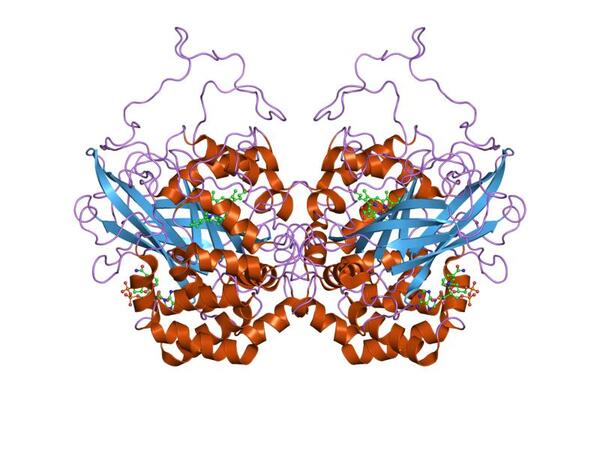
Catalase is a biocatalyst used to break down toxic hydrogen peroxide into water and oxygen in industries such as cheese and textiles. Improving the efficiency of catalase would help us to make some industrial products, such as cheese, less expensively. The best way to maintain catalase’s conformation, and thus enhance its activity, is to immobilize it. The primary goal of this study was to find a new way of immobilizing catalase.
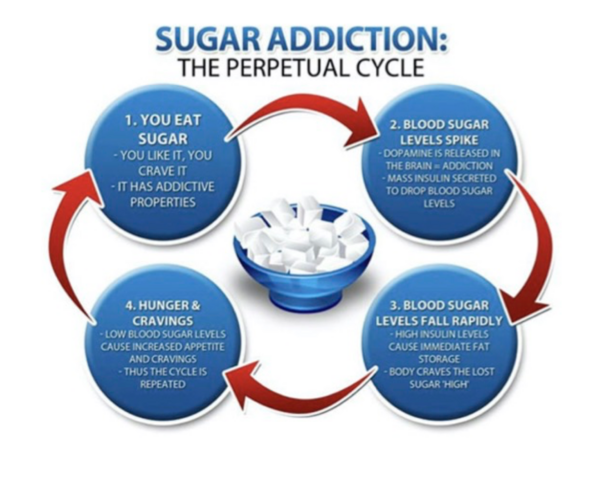
The availability, portion sizes, and consumption of highly palatable food has been linked adverse health outcomes. McBurnett and O’Donnell sought to assess the relationship between reward-based eating drive, consumption, cravings, and knowledge of the effects of sugary foods. In this study population, reward-based eating drive was related to both consumption and cravings. Further, for females, the knowledge of sugar’s effects was significantly and inversely associated with its consumption.
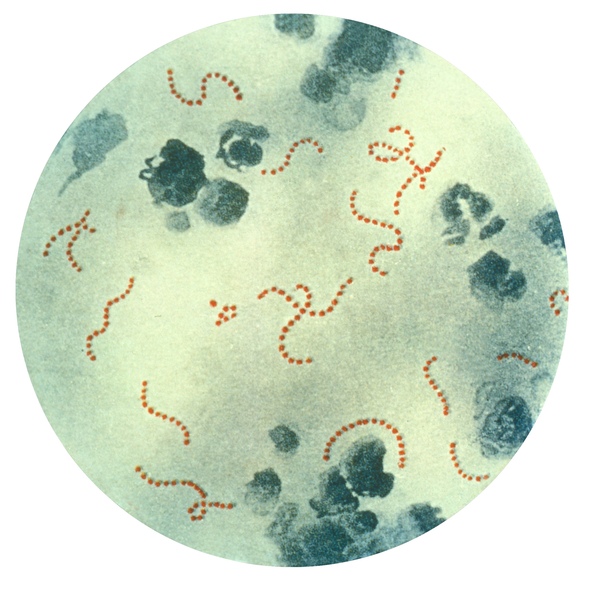
In this article, Mai et al. have developed a do-it-yourself kit for the detection of Strep A bacterial infections. While Strep A infections require antibiotic administration, viral infections, which can present with similar symptoms, often resolve on their own. The problem with delayed antibiotic treatment is an increasing risk of complications. Currently an accurate diagnosis requires that patients make the trip to the hospital where sensitive tests can be performed. The method described here, bundled into a commercially available kit, could help speed up the identification of such bacterial infections. When presented with symptoms of a sore throat and fever, you could just buy the kit at your local pharmacy, perform the simple yet highly accurate and sensitive test, and know whether an urgent trip to the doctor's for an antibiotic prescription is necessary. How convenient!
Although the United States maintains millions of square kilometers of nature reserves to protect the biodiversity of the specimens living there, little is known about how confining these species within designated protected lands influences the genetic variation required for a healthy population. In this study, the authors sequenced genetic barcodes of insects from a recently established nature reserve, the Southwestern Riverside County Multi-Species Reserve (SWRCMSR), and a non-protected area, the Mt. San Jacinto College (MSJC) Menifee campus, to compare the genetic variation between the two populations. Their results demonstrated that the midge fly population from the SWRCMSR had fewer unique DNA barcode sequence changes than the MSJC population, indicating that the comparatively younger nature reserve's population had likely not yet established its own unique genetic drift changes.
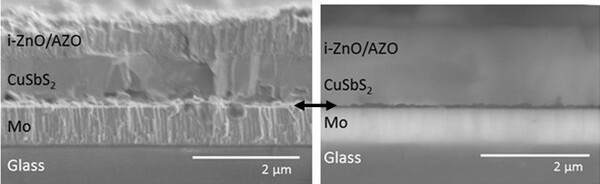
In this article, the authors created CuSbS2 solar cells. They discovered that the cells' efficiency was affected by the formation of MoS2. By incorporating a layer of single-walled carbon nanotubes, however, they were able to prevent MoS2 formation and increase the device's efficiency.
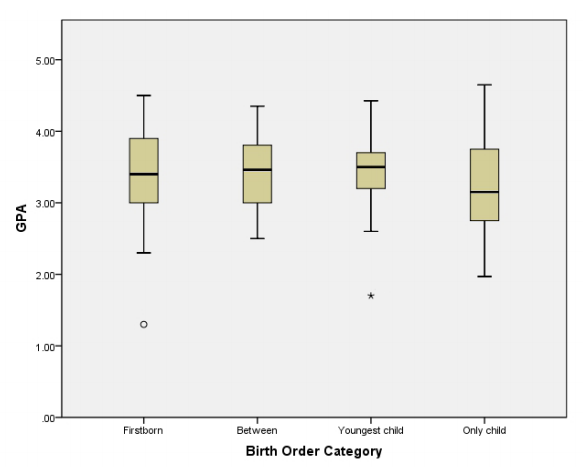
In many cultures and for many centuries, the implications of birth order have been examined. Birth order has been shown to affect personality, accomplishments, and even career choice. This study investigated the impact of birth order and ethnicity on two measures of academic success in high school: a student’s grade point average (GPA) and the number of Advanced Placement (AP) classes he or she took.
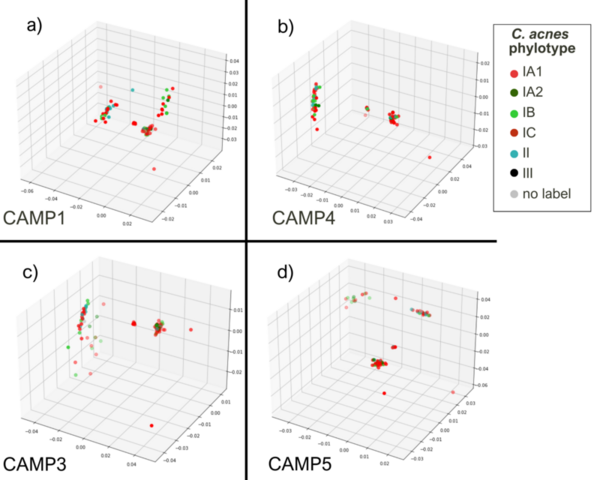
Cutibacterium acnes is a bacterium believed to play an important role in the pathogenesis of common skin diseases such as acne vulgaris. Currently, acne is known to be associated with strains from the type IA1 and IC clades of C. acnes, while those from the type IA2, IB, II, and III phylogroups are associated with skin health. This is the first study to explore the sequence space of individual gene products of different C. acnes phylogroups. Our analysis compared the sequence space topology of virulence factors to proteins with unknown functions and housekeeping proteins. We hypothesized that sequence space features of virulence factors are different from housekeeping protein features, which potentially provides an avenue to deduce unknown proteins’ functions. This proposition should be confirmed based on further experimental outcomes. A notable similarity in the sequence spaces’ topological features of previously known as housekeeping proteins encoded by recA and guaA genes to ‘putative virulence’ genes camp2 and tly was observed. Our research suggests further investigation of recA and guaA’s potential virulence properties to better understand acne pathogenesis and develop more targeted acne treatments.
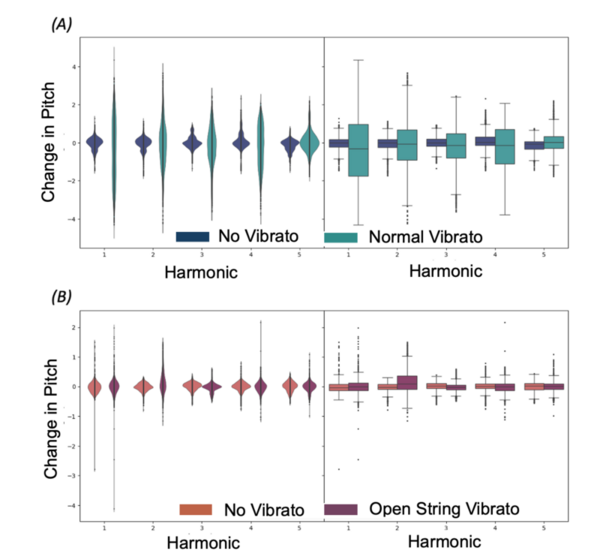
Vibrato, defined as a rapid and subtle oscillation in pitch, is a technique that is commonly used by musicians to add expression and colour to notes. However, on stringed instruments, there are certain notes (open string notes) on which it is impossible to perform the technique. Without vibrato, they can sound angular and unpleasant, especially when juxtaposed against other notes played with vibrato. String players therefore use an alternative to achieve the same vibrato effect on the open string — a technique referred to as “open string vibrato”. While the technique is widely used, it is unknown how much of a physical effect it has on the sound waves produced, if any at all. The purpose of this study is to analyse open string vibrato using a statistical approach to provide evidence to characterize the physical effect of the technique, and then compare it to normal vibrato. We hypothesised that it would have a noticeable and measurable effect on the sound waves produced because of the technique’s widespread usage. To test this, notes, with and without either open string vibrato or normal vibrato, were recorded on the violin. We analyzed the audio recordings using a computational and statistical approach. The results of the study partially agreed with our hypothesis: while the technique has an observable physical effect on the sound waves, the effect is weaker than expected. We concluded that open string vibrato does work, but has quite a subtle effect, and thus should only be used when there is no other option.
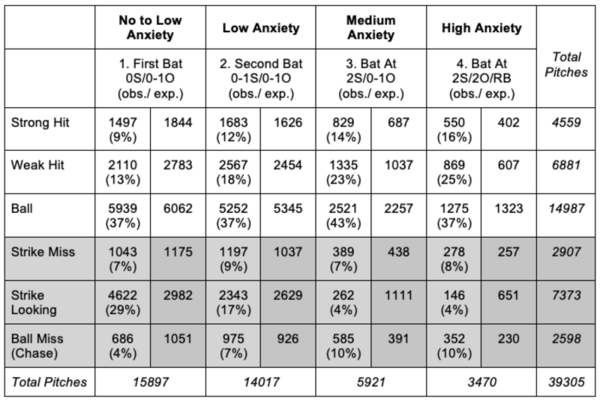
This study examined whether findings from laboratory studies of baseball cognition also apply during real games. Using 2024 MLB data from 30 players, researchers analyzed batting performance under different levels of feedback and anxiety.