Browse Articles

Integration of iron oxide nanoparticles into high-density polyethylene for sustainable cup coatings

Atmadja et al. | Jul 08, 2026

Integration of iron oxide nanoparticles into high-density polyethylene for sustainable cup coatings

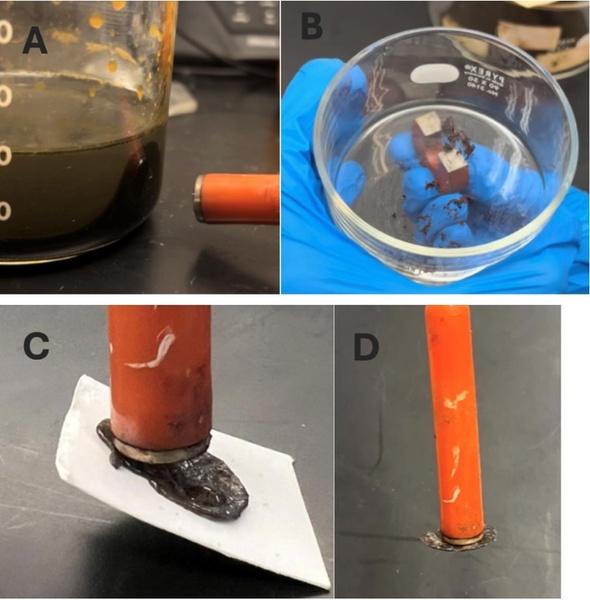
Here the authors propose integrating magnetic iron (II) oxide nanoparticles into the high-density polyethylene linings of disposable paper cups to create a waterproof, magnetically responsive composite liner. Their findings demonstrate that these nanoparticles successfully bond with the plastic layer without disrupting its structural integrity, offering a viable method to improve plastic recovery through magnetic recycling and mitigate global microplastic pollution.

Read More...
The effects of a high-sucrose diet on the survival of Drosophila melanogaster from a bacterial infection

Warwick et al. | May 22, 2026

The effects of a high-sucrose diet on the survival of <i>Drosophila melanogaster</i> from a bacterial infection

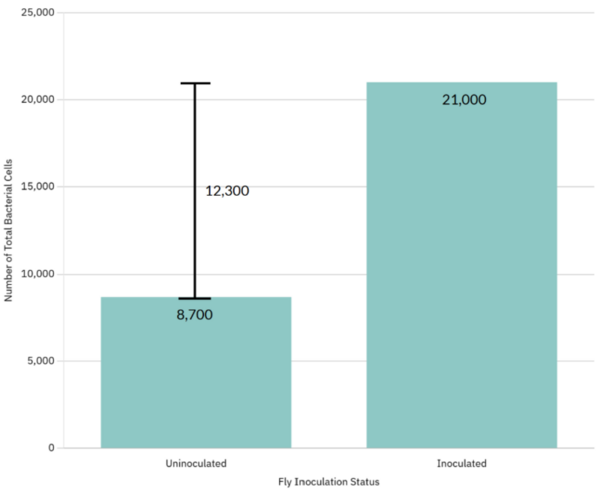
Excess sucrose consumption has been associated with several health problems, including inflammation and potential negative effects on immune function. However, the exact relationship between sucrose intake and immunity remains unclear, especially during bacterial infections. This study examined how sucrose intake affected the survival of fruit flies following oral infection with the bacterial pathogen Serratia marcescens.

Read More...

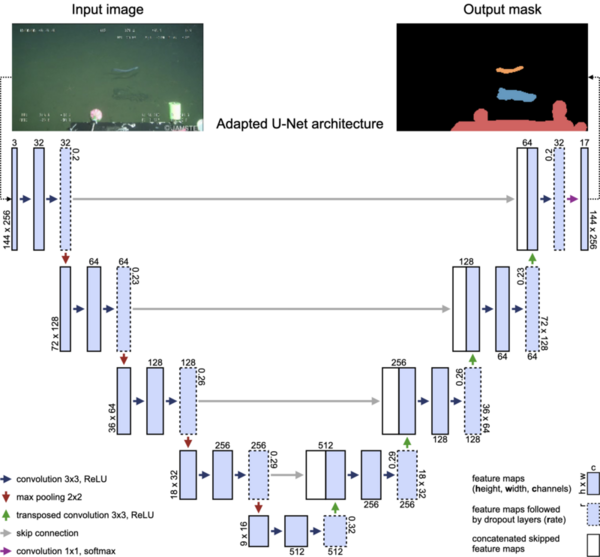
Enhancing marine debris identification with convolutional neural networks

Wahlig et al. | Apr 03, 2024

Enhancing marine debris identification with convolutional neural networks
Image credit: The authors

Plastic pollution in the ocean is a major global concern. Remotely Operated Vehicles (ROVs) have promise for removing debris from the ocean, but more research is needed to achieve full effectiveness of the ROV technology. Wahlig and Gonzales tackle this issue by developing a deep learning model to distinguish trash from the environment in ROV images.

Read More...

Utilizing 25-Hydroxyvitamin D3 to prevent the appearance of diabetic-like phenotypes in Drosophila melanogaster

Zaverchand et al. | Sep 20, 2021

Utilizing 25-Hydroxyvitamin D3 to prevent the appearance of diabetic-like phenotypes in Drosophila melanogaster

This study aimed to assess the role of 25-hydroxyvitamin D3 solution, at varying concentrations, in protecting vertical transmission of diabetic-like phenotypes. We hypothesized that the highest concentration of vitamin D solution (55 ng/mL) would be most effective in having a protective role. The results indicated that the hypothesis was partially supported; overall, all three concentrations of the vitamin D solution administered to the flies reared on HSDs had a protective effect, to varying extents.

Read More...

String analysis of exon 10 of the CFTR gene and the use of Bioinformatics in determination of the most accurate DNA indicator for CF prediction

Carroll et al. | Jul 12, 2020

String analysis of exon 10 of the CFTR gene and the use of Bioinformatics in determination of the most accurate DNA indicator for CF prediction

Cystic fibrosis is a genetic disease caused by mutations in the CFTR gene. In this paper, the authors attempt to identify variations in stretches of up to 8 nucleotides in the protein-coding portions of the CFTR gene that are associated with disease development. This would allow screening of newborns or even fetuses in utero to determine the likelihood they develop cystic fibrosis.

Read More...

A Novel Method for Assessment of Proprioception

Trevithick et al. | Jun 22, 2018

A Novel Method for Assessment of Proprioception

Trevithick & Park were interested in whether proprioception, the sense of the relative position of body parts and movement, differed between varsity and non-varsity athletes, as well as between the sport practiced. The authors found that there was no correlation between athleticism and better proprioception, but that dancers had superior proprioceptive abilities compared to those that practiced other sports.

Read More...