Browse Articles

The Effects of Antioxidants on the Climbing Abilities of Drosophila melanogaster Exposed to Dental Resin

Prashanth et al. | Jan 17, 2019

The Effects of Antioxidants on the Climbing Abilities of <em>Drosophila melanogaster</em> Exposed to Dental Resin

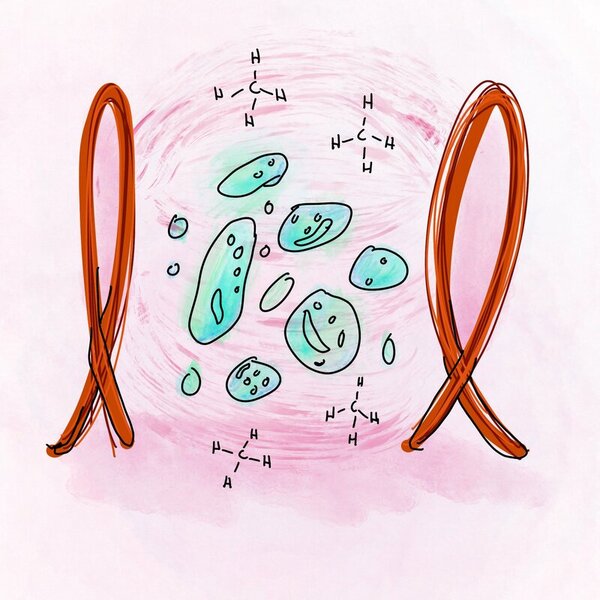
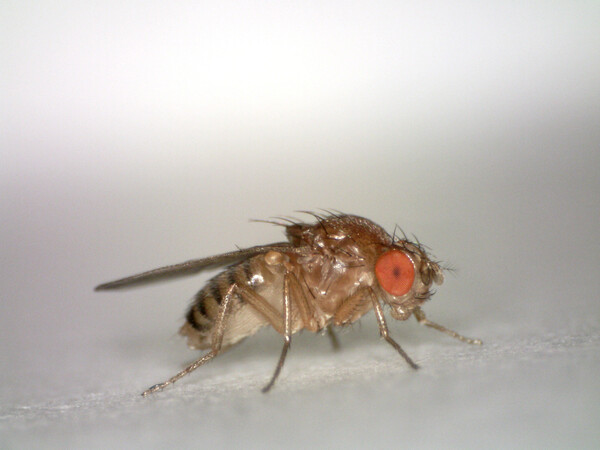
Dental resins can be a source of reactive oxygen species (ROS) which in unruly amounts can be toxic to cellular and overall health. In this report, the authors test whether the consumption of antioxidant rich foods like avocado and asparagus can protect against the effect of dental resin-derived ROS. However, rather than testing humans, they use fruit flies and their climbing abilities as an experimental readout.

Read More...

The Effect of Various Preparation Methods on the Spoilage Rate of Roma Tomatoes (Solanum lycopersicum)

Cataltepe et al. | Feb 22, 2018

The Effect of Various Preparation Methods on the Spoilage Rate of Roma Tomatoes (Solanum lycopersicum)

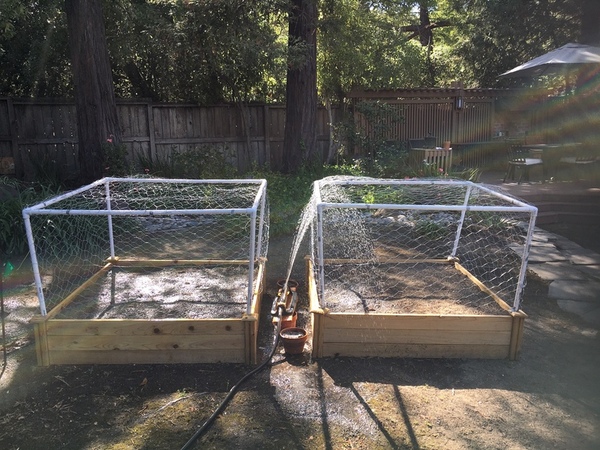
As levels of food waste continue to rise, it is essential to find improved techniques of prolonging the shelf life of produce. The authors aimed to find a simple, yet effective, method of slowing down spoilage in tomatoes. Linear regression analysis revealed that the tomatoes soaked salt water and not dried displayed the lowest correlation between time and spoilage, confirming that this preparation was the most effective.

Read More...

The Effects of Ultraviolet Light on Escherichia coli

Kodoth et al. | Sep 07, 2015

The Effects of Ultraviolet Light on <em>Escherichia coli</em>

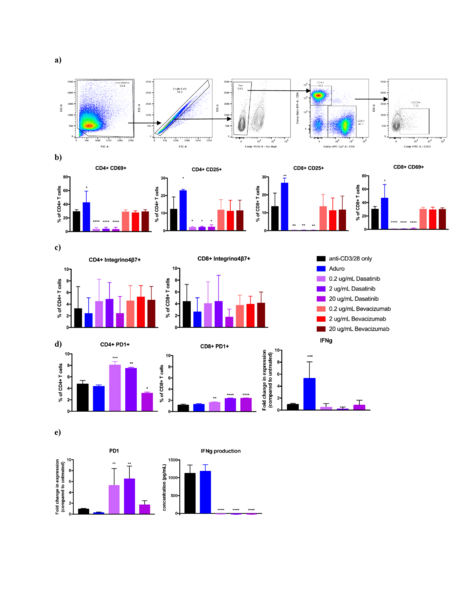
In this study E. coli bacteria was exposed to small UV lights currently used in school laboratories to see the effect on colony growth. This project explores how UV radiation methods could be applied in common households to inhibit bacterial growth.

Read More...

The Effects of Micro-Algae Characteristics on the Bioremediation Rate of Deepwater Horizon Crude Oil

Cao et al. | Jun 17, 2013

The Effects of Micro-Algae Characteristics on the Bioremediation Rate of Deepwater Horizon Crude Oil

Environmental disasters such as the Deepwater Horizon oil spill can be devastating to ecosystems for long periods of time. Safer, cheaper, and more effective methods of oil clean-up are needed to clean up oil spills in the future. Here, the authors investigate the ability of natural ocean algae to process crude oil into less toxic chemicals. They identify Coccochloris elabens as a particularly promising algae for future bioremediation efforts.

Read More...

Innovative use of recycled textile fibers in building materials: A circular economy approach

Gupta et al. | Feb 19, 2026

Innovative use of recycled textile fibers in building materials: A circular economy approach
Image credit: Gupta and Gupta

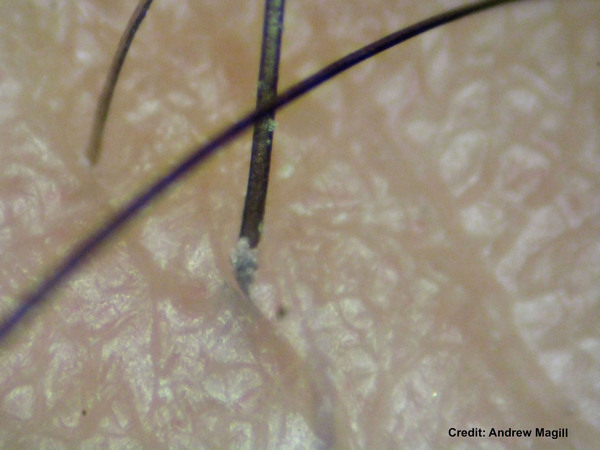
Textile waste from the fashion industry is a major environmental pollutant, but recycling waste into novel building material is a strategy to reduce the negative effects. This manuscript characterized five different binders that can be used to repurpose textile waste into bricks for construction purposes. Water-based glue, cement, white cement, plaster of Paris, and epoxy resin were mixed with shredded textile waste, and the mechanical characteristics and thermal insulation of each brick type were measured. Bricks with increased mechanical strength had the poorest thermal resistance, and the contrasting properties would suit different building purposes. This work provides a first step in generating recycled textile bricks for construction in a circular economy framework.

Read More...