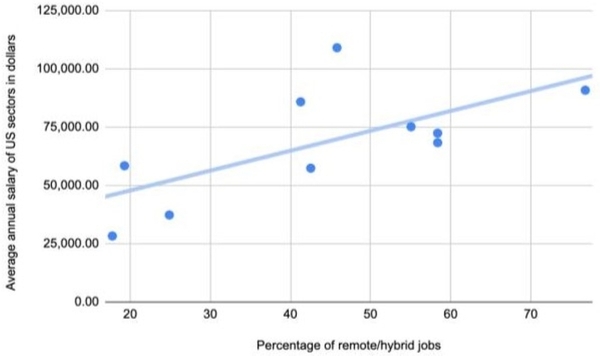
The authors investigate the relationship between remote work and salary by sector.
Read More...Remote Work in the United States: Sectoral Analysis of Salary Trends
Cardiovascular Disease Prediction Using Supervised Ensemble Machine Learning and Shapley Values
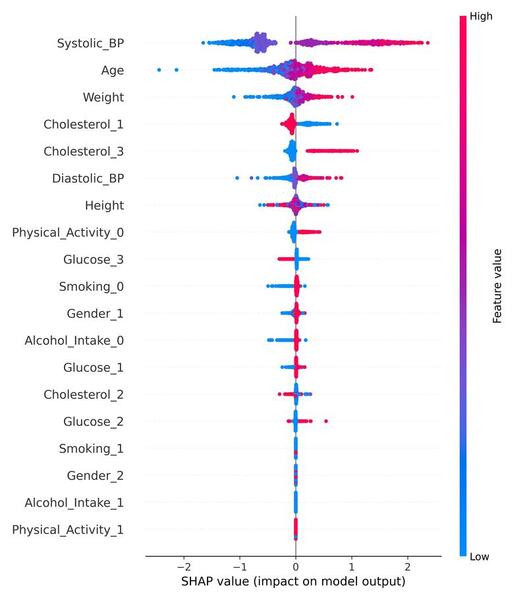
The authors test the effectiveness of machine learning to predict onset of cardiovascular disease.
Read More...High school students’ attitudes towards diverse cultures and ethnicities
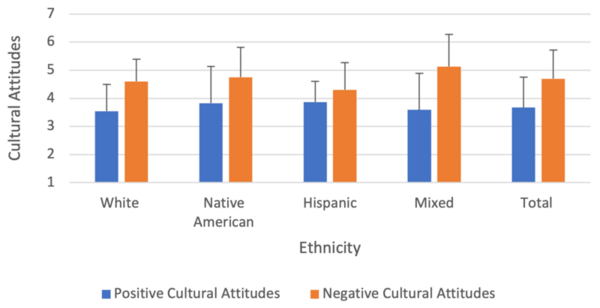
The authors looked at how a student's own background influence their attitude towards integration of diverse cultures and ethnicities. While overall students viewed other groups positively, the authors found that groups still indicated they felt judged by their peers.
Read More...Testing Simarouba amara’s therapeutic effects against weedicide-induced tumor-like morphology in planarians
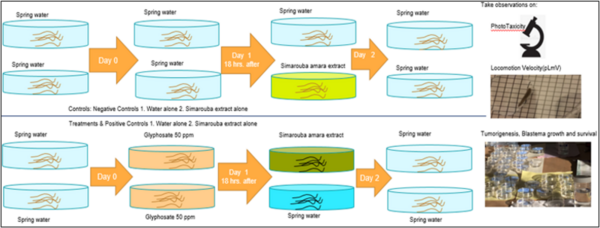
According to the World Health Organization, cancer is a leading cause of death globally. The disease’s prevalence is rapidly increasing in association with factors including the increased use of pesticides and herbicides, such as glyphosate, which is one of the most widely used herbicide ingredients. Natural antioxidants and phytochemicals are being tested as anti-cancer agents due to their antiproliferative, antioxidative, and pro-apoptotic properties. Thus, we aimed to investigate the potential role of S. amara extract as a therapeutic agent against glyphosate-induced toxicity and tumor-like morphologies in regenerating and homeostatic planaria (Dugesia dorotocephala).
Read More...The design of Benzimidazole derivatives to bind to GDP-bound K-RAS for targeted cancer therapy
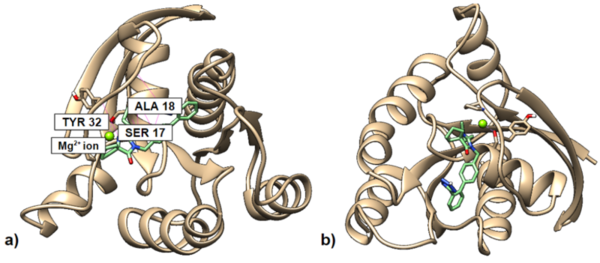
In this study, the authors looked at a proto-oncogene, KRAS, and searched for molecules that are predicted to be able to bind to the inactive form of KRAS. They found that a modified version of Irbesartan, a derivative of benzimidazole, showed the best binding to inactive KRAS.
Read More...Investigating Lemna minor and microorganisms for the phytoremediation of nanosilver and microplastics
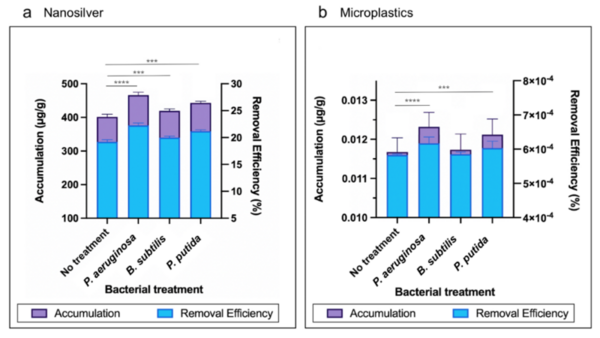
The authors looked at phytoremediation, the process by which plants are used to remove pollutants from our environment, and the ability of Lemna minor to perform phytoremediation in various simulated polluted environments. The authors found that L. minor could remove pollutants from the environment and that the addition of bacteria increased this removal.
Read More...Battling cultural bias within hate speech detection: An experimental correlation analysis
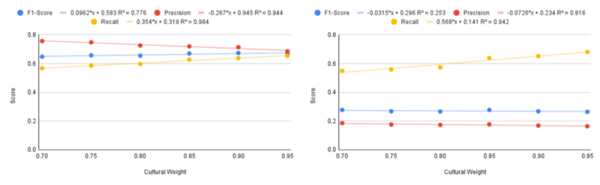
The authors develop a new method for training machine learning algorithms to differentiate between hate speech and cultural speech in online platforms.
Read More...Investigating the potential of zinc oxide nanoparticles and zinc ions as promising approaches to lung cancer
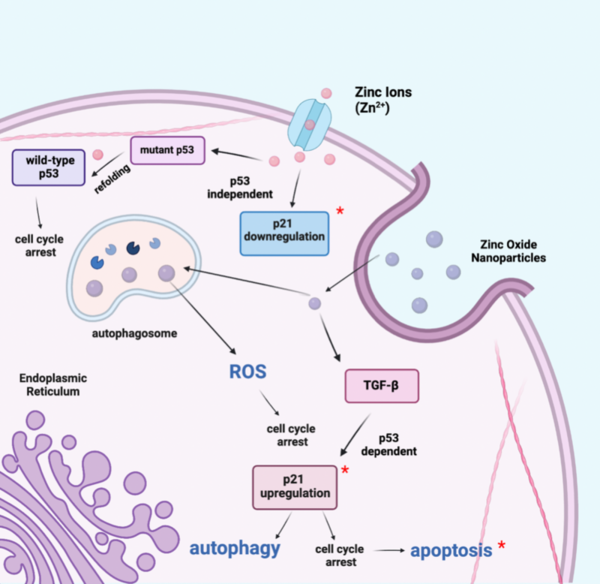
Here, the authors chose to investigate the efficacy of zinc oxide nanoparticles (ZnO NPs) and cisplatin or zinc ions in inducing cancer apoptosis. While both treatments were found to reduce the proliferation of lung cancer cells, the authors suggest that further studies to identify the mechanism are necessary.
Read More...Seed priming with melatonin improves drought tolerance in maize
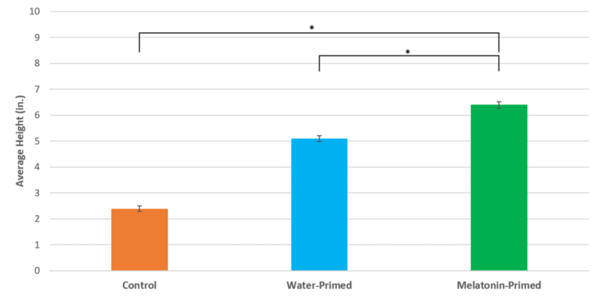
The authors test whether soaking maize seeds in a solution of melatonin improves seed germination and drought tolerance.
Read More...The effects of algaecides on Spirulina major and non-target organism Daphnia magna
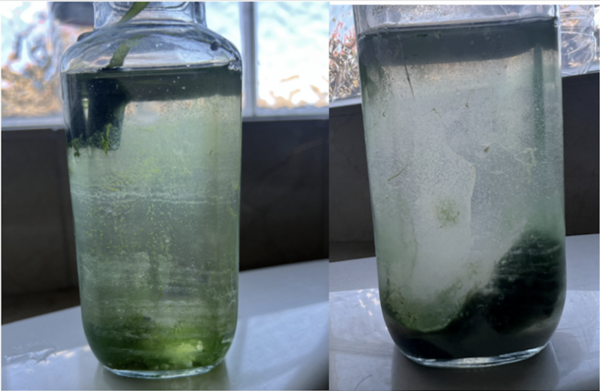
Algal blooms pose a threat to ecosystems, but the methods used to combat these blooms might harm more than just the algae. Halepete, Graham, and Lowe-Schmahl demonstrate negative effects of anti-algae treatments on a cyanobacterium (Spirulina major), and the water fleas (Daphnia magna) that live alongside these cyanobacteria.
Read More...