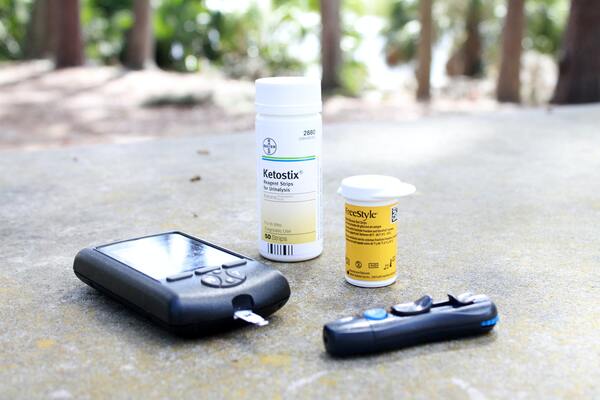
This study uses a fruit fly model of type 1 diabetes (T1D) to determine whether strengthening intestinal tight junctions to reduce intestinal permeability would improve T1D symptoms.
Read More...Observing effects of resolving leaky gut on sugar, fat, and insulin levels during type 1 diabetes in fruit flies
This study uses a fruit fly model of type 1 diabetes (T1D) to determine whether strengthening intestinal tight junctions to reduce intestinal permeability would improve T1D symptoms.
Read More...Testing HCN1 channel dysregulation in the prefrontal cortex using a novel piezoelectric silk neuromodulator
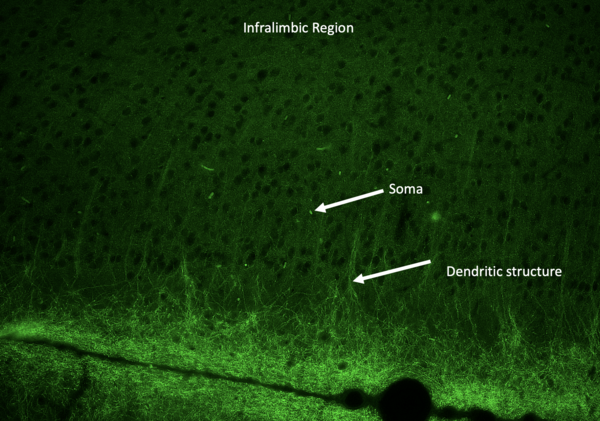
Although no comprehensive characterization of schizophrenia exists, there is a general consensus that patients have electrical dysfunction in the prefrontal cortex. The authors designed a novel piezoelectric silk-based implant and optimized electrical output through the addition of conductive materials zinc oxide (ZnO) and aluminum nitride (AlN). With further research and compatibility studies, this implant could rectify electrical misfiring in the infralimbic prefrontal cortex.
Read More...The effects of early probiotic supplementation on the germination of Arabidopsis thaliana
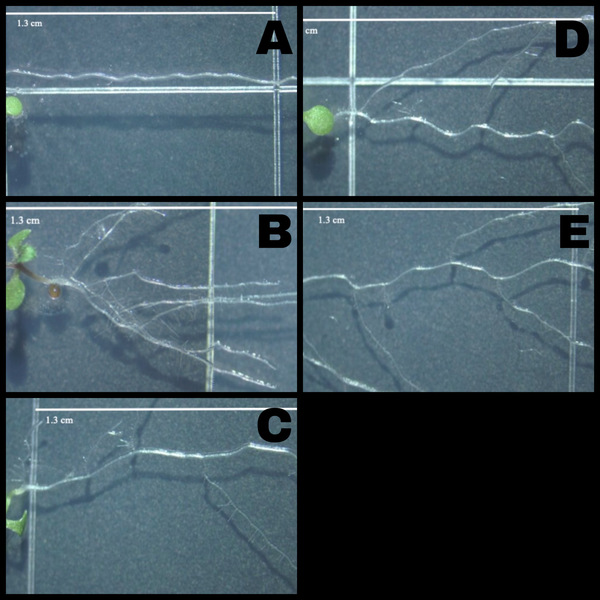
The use of fertilizers is associated with an increase in soil degradation, which is predicted to lead to a decrease in crop production within the next decade. Thus, it is critical to find solutions to support crop production to sustain the robust global population. In this study, the authors investigate how probiotic bacteria, like Rhizobium leguminosarum, Bacillus subtilis and Pseudomonas fluorescens, can impact the growth of Arabidopsis thaliana when applied to the seeds.They hypothesized that solutions with multiple bacterial species compared to those with only a single bacterial species would promote seed germination more effectively.
Read More...The Effects of Barley Straw (Hordeum vulgare) Extract and Barley Straw Pellets on Algal Growth and Water Quality
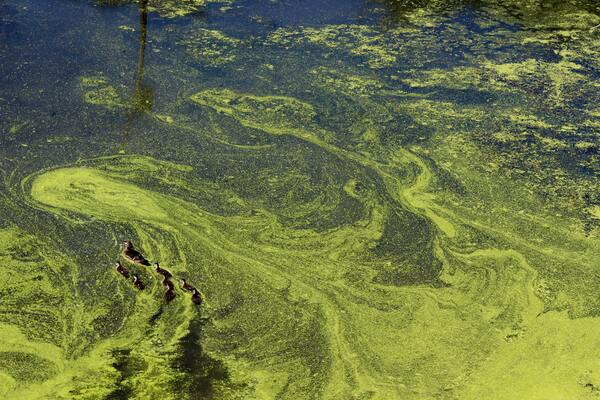
Algal overgrowth often threatens to clog irrigation pipes and drinking water lines when left unchecked, as well as releasing possible toxins that threaten plant and human health. It is thus important to find natural, non-harmful agents that can decrease algal growth without threatening the health of plants and humans. In this paper, the authors test the efficacy of barely extract in either liquid or pellet form in decreasing algal growth. While their results were inconclusive, the experimental set-up allows them to investigate a wider range of agents as anti-algal treatments that could potentially be adopted on a wider scale.
Read More...The Effect of the Human MeCP2 gene on Drosophila melanogaster behavior and p53 inhibition as a model for Rett Syndrome
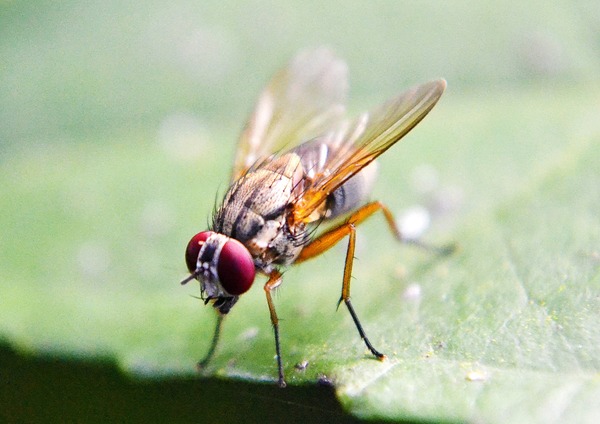
In this study, the authors observe if the symptoms of Rett Syndrome, a neurodegenerative disease in humans, are reflected in Drosophila melanogaster. This was achieved by differentiating the behavior and physical aspects of wild-type flies from flies expressing the full-length MeCP2 gene and the mutated MeCP2 gene (R106W). After conducting these experiments, some of the Rett Syndrome symptoms were recapitulated in Drosophila, and a subset of those were partially ameliorated by the introduction of pifithrin-alpha.
Read More...Combating drug resistance in cancer cells: Cooperative effect of green tea and turmeric with chemotherapeutic drug
.jpg)
The major drawback of chemotherapy regimens for treating cancer is that the cancerous cells acquire drug resistance and become impervious to further dose escalation. Keeping in mind the studied success of herbal formulations with regard to alternative treatments for cancer, we hypothesized that the use of a chemotherapeutic drug and proprietary herbal formulation, HF1, would combat this phenomenon when administered with common chemotherapeutic drug 5FU. Results demonstrated a cooperative effect between HF1 and 5FU on the drug resistant cell line, implying that administration of HF1 with 5FU results in cell death as measured by MTT assay.
Read More...Comparing the Effects of Different Natural Products on Reducing Tumor Growth in a Drosophila Model
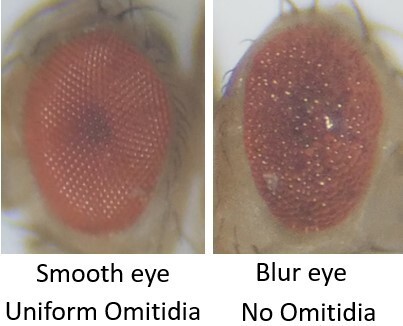
In this work, the authors compared the effects of common natural products, including sesame, cinnamon, garlic, moringa and turmeric on tumor growth in Drosophila eyes. The data showed that these natural products cannot be used to reduce tumor growth once it has completely formed. However, the data suggested that some natural products can reduce cancer cell growth when tumors are treated early.
Read More...The Effects of Ezetimibe on Triglyceride and Alanine Transaminase Reduction in Drosophila Melanogaster Model of Nonalcoholic Fatty Liver Disease (NAFLD)
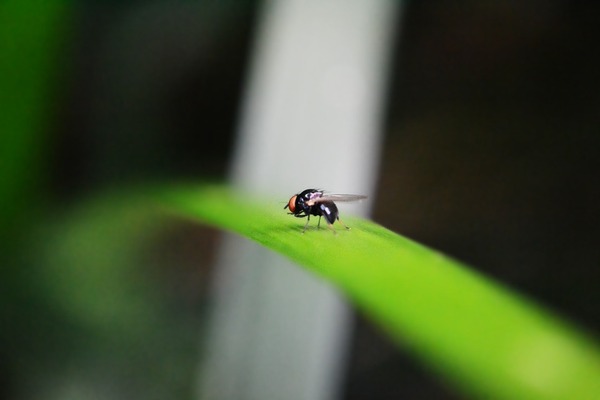
Nonalcoholic Fatty Liver Disease (NAFLD) is a condition where a surplus of triglycerides or fat are present in the liver. In this study, ezetimibe, a cholesterol lowering drug, was used to treat flies modeling NAFLD. Compared to the coconut oil fed flies that were transferred to the control medium, the flies transferred to the control medium treated with ezetimibe showed a decrease in their triglyceride and alanine transaminase level.
Read More...Potential Multifunctional Agents for Dual Therapy of Age-Related and Associated Diseases: Alzheimer’s Disease and Type 2 Diabetes Mellitus
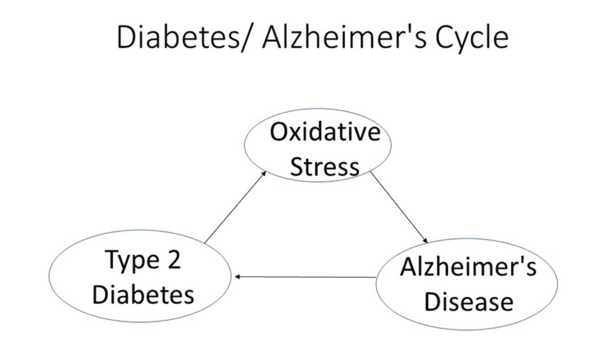
Studies show an age-related link between Alzheimer’s Disease and Type 2 Diabetes Mellitus with oxidative stress a characteristic of both. Here, methanolic fractionations and extracts of four Ayurvedic plants were assessed for their protective abilities using a number of in vitro assays. Extracts inhibited oxidative stress and reduced activity of key enzymes involved in the pathogenesis of both diseases in neuroblastoma cells.
Read More...The Bioactive Ingredients in Niuli Lactucis Agrestibus Possess Anticancer Effects

In the field of medicine, natural treatments are becoming increasingly vital towards the cure of cancer. Zhu et al. wanted to investigate the effects of lettuce extract on cancer cell survival and proliferation. They used an adenocarcinoma cell line, COLO320DM, to determine whether crude extract from a lettuce species called Niuli Lactucis Agrestibus would affect cancer cell survival, migration, and proliferation. They found that Niuli extract inhibited cancer cell survival, increased expression of cell cycle inhibitors p21 and p27, and inhibited migration. However, Niuli extract did not have these effects on healthy cells. This work reveals important findings about a potential new source of anti-colorectal cancer compounds.
Read More...