Browse Articles

Friend or foe: Using DNA barcoding to identify arthropods found at home

Wang et al. | Mar 14, 2022

Friend or foe: Using DNA barcoding to identify arthropods found at home

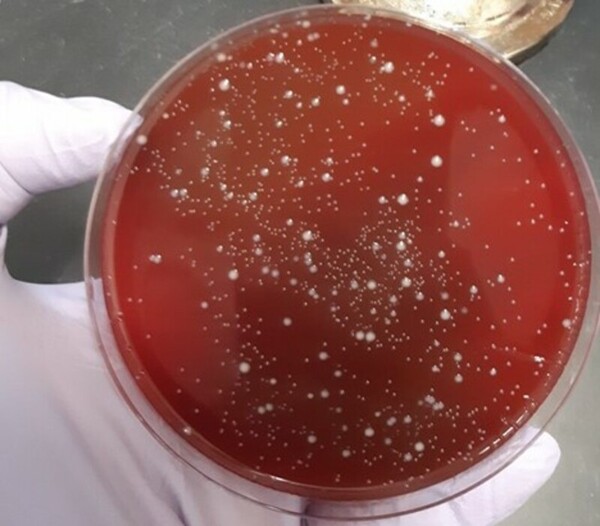
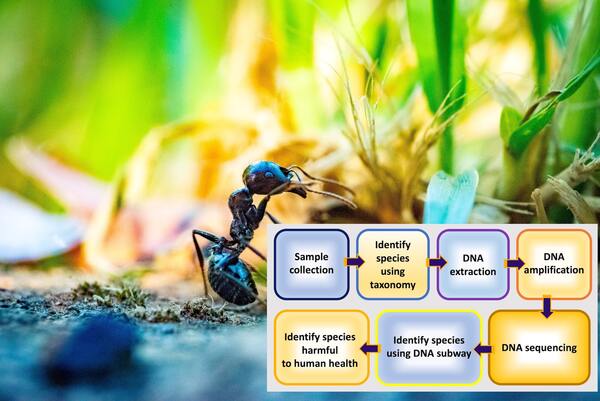
Here the authors used morphological characters and DNA barcoding to identify arthropods found within a residential house. With this method they identified their species and compared them against pests lists provided by the US government. They found that none of their identified species were considered to be pests providing evidence against the misconception that arthropods found at home are harmful to humans. They suggest that these methods could be used at larger scales to better understand and aid in mapping ecosystems.

Read More...


Down-regulation of CD44 inhibits Wnt/β-catenin mediated cancer cell migration and invasion in gastric cancer

Baek et al. | May 10, 2021

Down-regulation of CD44 inhibits Wnt/β-catenin mediated cancer cell migration and invasion  in gastric cancer

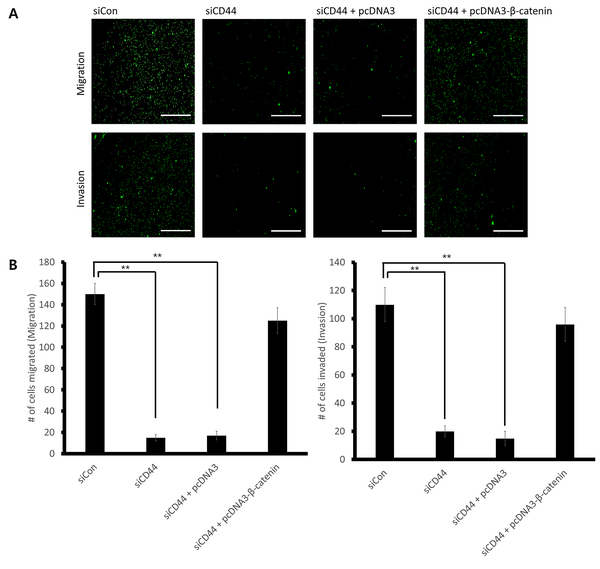
In this study, we aimed to characterize CD44-mediated regulation of the Wnt/β-catenin signaling pathway, which promotes cancer invasion and metastasis. We hypothesized that CD44 down-regulation will inhibit gastric cancer cell migration and invasion by leading to down-regulation of Wnt/β-catenin signaling. We found that CD44 up-regulation was significantly related to poor prognosis in gastric cancer patients. We demonstrated the CD44 down-regulation decreased β-catenin protein expression level. Our results suggest that CD44 down-regulation inhibits cell migration and invasion by down-regulating β-catenin expression level.

Read More...

Don’t Waste the Medical Waste: Reducing Improperly Classified Hazardous Waste in a Medical Facility

Hemani et al. | Jun 20, 2018

Don’t Waste the Medical Waste: Reducing Improperly Classified Hazardous Waste in a Medical Facility

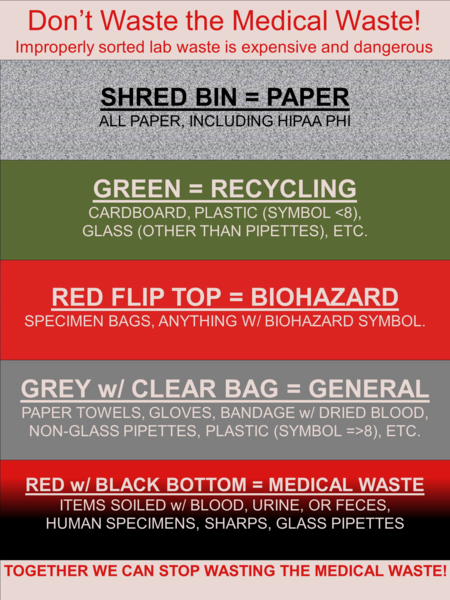
Hemani et al. tackled the problem of rampant hospital waste by implementing staff training to help inform hospital workers about proper waste disposal. The authors observed a significant increase in proper waste disposal after the training, showing that simple strategies, such as in-person classroom training and posters, can have a profound effect on limiting improper waste handling.

Read More...

An explainable AI framework for studying query complexity and hallucinations in LLM scheduling tasks

Thantron et al. | Nov 09, 2026

An explainable AI framework for studying query complexity and hallucinations in LLM scheduling tasks
Image credit: Immo Wegmann

In this study, we investigated how the complexity of a query can influence tool-use hallucinations in large language models that were tasked with setting an appointment. Using explainable AI (XAI) as a tool to test the hypothesis, we analyzed trends in hallucination rates by the type of query and saw results that when complexity and ambiguity of the query increased (such as asking for multiple days or unclear time ranges), the model was more likely to make errors due to misunderstanding time-related data from tool outputs. This shows that making large language models (LLMs) understand what seems logical to a human is still difficult, especially in complex tasks, and that knowing what causes these errors can help build more trustworthy AI systems.

Read More...