Browse Articles

A five-year retrospective analysis of Tuberculosis risk factors and their variability in the United States

Kini et al. | Mar 14, 2026

A five-year retrospective analysis of Tuberculosis risk factors and their variability in the United States
Image credit: Kini, Diaz Gaviria, Diaz, and Kini

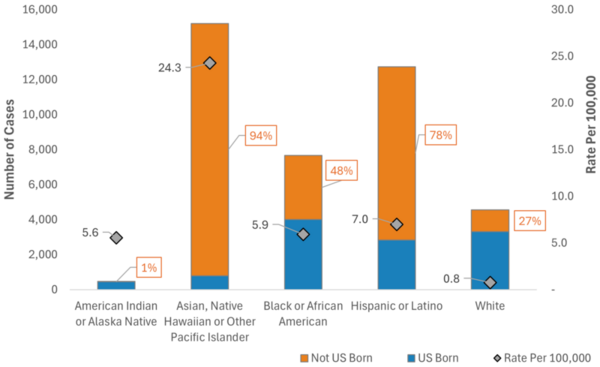
The main goal of this study is to determine what demographics are related to tuberculosis incidence in the United States populations, particularly if changing demographics are related to differences in tuberculosis risk over two discrete time periods. The major finding is that in the two studied time periods, tuberculosis risk factors were somewhat consistent and may be influenced by things such as immigration, healthcare access, and race or ethnicity, although the top predictor did change.

Read More...

Analyzing resilience in a sample population as a novel qualifier for triage in psychological first aid

Ramesh et al. | Apr 18, 2023

Analyzing resilience in a sample population as a novel qualifier for triage in psychological first aid
Image credit: Mat Napo

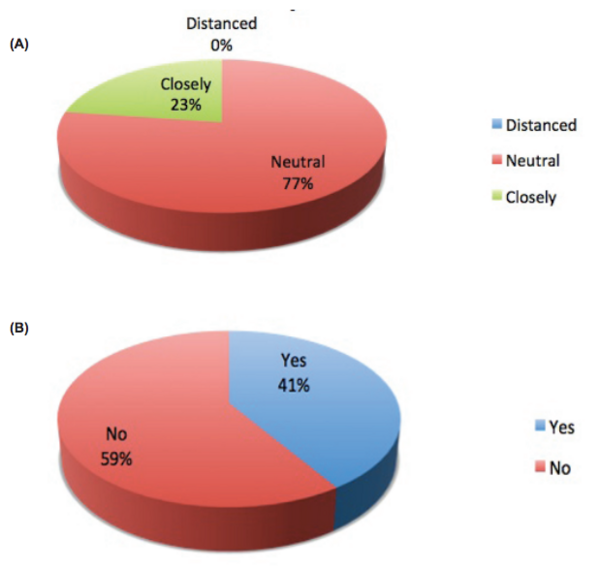
While serving as an immediate address for psychological safety and stability, psychological first aid (PFA) currently lacks the incorporation of triage. Without triage, patients cannot be prioritized in correspondence to condition severity that is often called for within emergency conditions. To disentangle the relevance of a potential triage system to PFA, the authors of this paper have developed a method to quantify resilience - a prominent predictor of the capability to recover from a disaster. With this resilience index, they have quantified resilience of differing age, race, and sex demographics to better inform the practice of PFA and potential demographic prioritization via a triage system.

Read More...

Propagation of representation bias in machine learning

Dass-Vattam et al. | Jun 10, 2021

Propagation of representation bias in machine learning

Using facial recognition as a use-case scenario, we attempt to identify sources of bias in a model developed using transfer learning. To achieve this task, we developed a model based on a pre-trained facial recognition model, and scrutinized the accuracy of the model’s image classification against factors such as age, gender, and race to observe whether or not the model performed better on some demographic groups than others. By identifying the bias and finding potential sources of bias, his work contributes a unique technical perspective from the view of a small scale developer to emerging discussions of accountability and transparency in AI.

Read More...
Racial and gender disparities in the portrayal of lawyers and physicians on television

Asadi et al. | Nov 18, 2022

Racial and gender disparities in the portrayal of lawyers and physicians on television

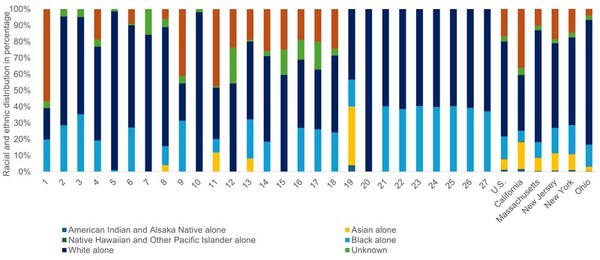
Powered by the sociological framework that exposure to television bleeds into social biases, limiting media representation of women and minority groups may lead to real-world implications and manifestations of racial and gender disparities. To address this phenomenon, the researchers in this article take a look at primetime fictional representation of minorities and women as lawyers and physicians and compare television representation to census data of the same groups within real-world legal and medical occupations. The authors maintain the hypothesis that representation of female and minority groups as television lawyers and doctors is lower than that of their white male counterparts relative to population demographics - a trend that they expect to also be reflected in actual practice. With fictional racial and gender inequalities and corresponding real-world trends highlighted within this article, the researchers call for address towards representation biases that reinforce each other in both fictional and non-fictional spheres.

Read More...

The Prevalence of White Guilt Among American High School Students

Buadu et al. | Jun 03, 2014

The Prevalence of White Guilt Among American High School Students

Racial inequality has been a major issue throughout the history of the United States. In recent years, however, especially with the election of America's first black president, many have claimed that we have made progress and are moving towards a post-racial society. The authors of this study sought to test that claim by evaluating whether high school age students still experience a phenomenon known as white guilt. White guilt is defined as remorse or shame felt by people of Caucasian descent about racial inequality.

Read More...

Colorism and the killing of unarmed African Americans by police

Hempfield et al. | Nov 08, 2021

Colorism and the killing of unarmed African Americans by police

The purpose of this study was to investigate the relationship between colorism and police killings of unarmed African American suspects. The authors collected data from the Washington Post database, which reports unarmed African American victims from 2015–2021, and found that the victims who were killed by police were darker on average than a control population of African Americans that had not encountered the police.

Read More...

Investigation of the correlation between trihalomethane concentrations and socioeconomic factors in NY State

Lee et al. | Aug 19, 2023

Investigation of the correlation between trihalomethane concentrations and socioeconomic factors in NY State

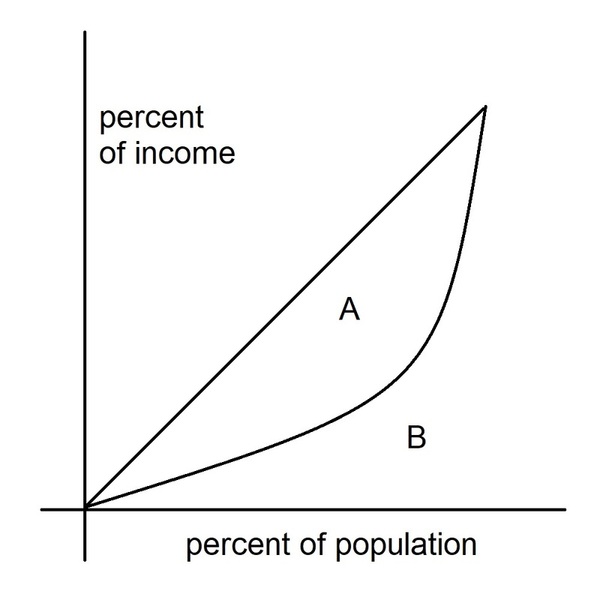
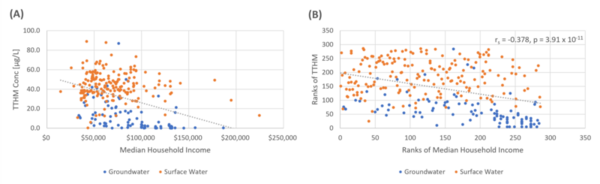
Trihalomethanes, probable human carcinogens, are commonly found disinfection by-products (DBPs) in public water systems (PWS). The authors investigated the correlation between trihalomethane concentrations and socioeconomic factors in New York State, finding a negative correlation between median household income and trihalomethane concentrations. The inverse association between trihalomethanes and household income may indicate socioeconomic disparity regarding drinking water quality and the need for improved efforts to assist small- and medium-sized community water systems to lower DBP levels in New York State.

Read More...