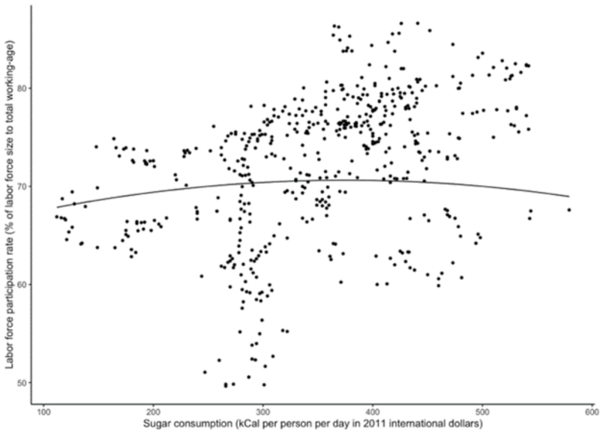
In this article the authors look at sugar consumption and the relationship to productivity in the work/labor force.
Read More...A spatiotemporal analysis of OECD member countries on sugar consumption and labor force participation
In this article the authors look at sugar consumption and the relationship to productivity in the work/labor force.
Read More...Are Teens Willing to Pay More for Their Preferred Goods?

Each day we are flooded with new items that promise us a better experience at a better price. This forces buyers to continuously chose between sticking to what they know, or trying something new. In turn, companies need to be aware of the factors affecting consumer choices, that too within the different fractions of society. In this study the authors investigate the effect of survey-based price setting on profits made based on African American teen purchases, and how African-American teen loyalty to a particular brand affects their willingness to pay a higher price than the market average for their preferred brand items.
Read More...Effectiveness of Biodegradable Plastic in Preventing Food Spoilage
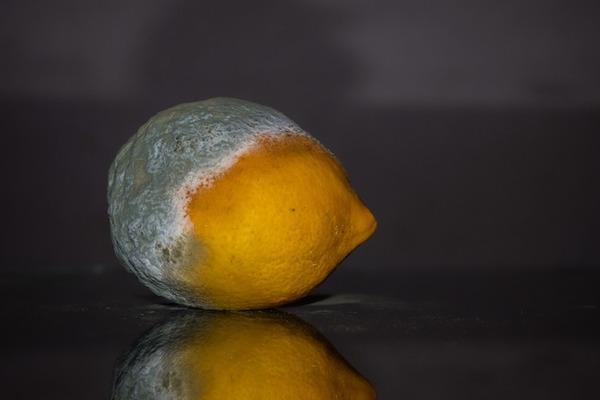
Most people put little thought into the type of plastic wrap they use to store their leftovers. This study investigates the differences between biodegradable plastic wrap and non-biodegradable plastic wrap in their ability to prevent food spoilage. Does one work better than the other? Read more to find out!
Read More...Improper storage of sunscreen might decrease effectiveness
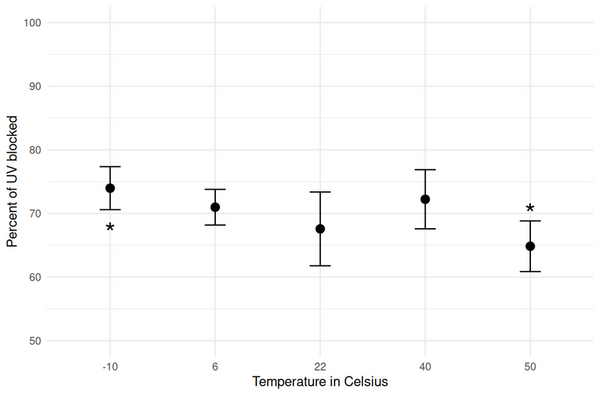
This study explored sunscreen storage temperature affects the efficacy of sunscreen to block UV light.
Read More...The journey to Proxima Centauri b

Someday, rockets from Earth may be launched towards worlds beyond our solar system. But will these rockets be able to reach their destination within a human lifetime? Ramaswamy and Giovinazzi simulate rocket launches to an Earth-like exoplanet to uncover whether it's physically possible to complete the journey within a lifetime.
Read More...Peptidomimetics Targeting the Polo-box Domain of Polo-like Kinase 1
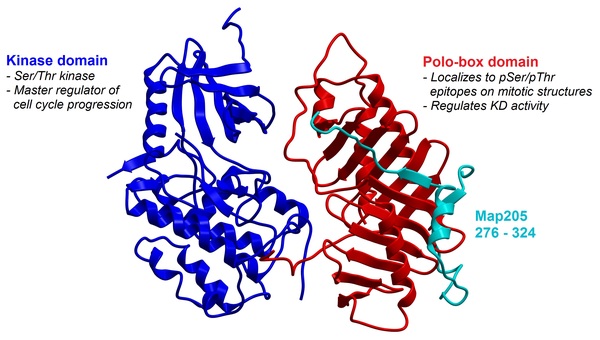
Polo-like kinase 1 (Plk1) is a master regulator of mitosis, initiating key steps of cell cycle regulation, and its overexpression is associated with certain types of cancer. In this study, the authors carefully designed peptides that were able to bind to Plk1 at a location that is important for its proper localization and function. Future studies could further develop these peptides to selectively target Plk1 in cancer cells and induce mitotic arrest.
Read More...Energy beverages and sugar: How sweetener type dictates specific gravity
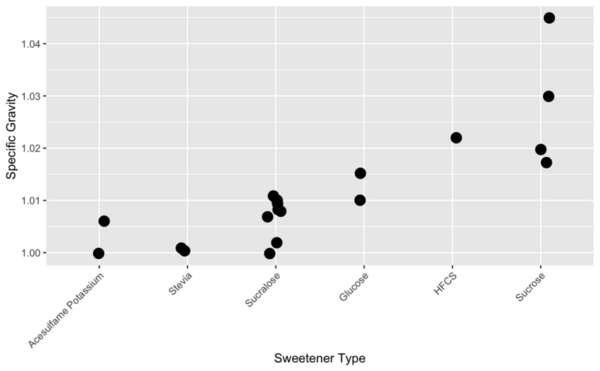
The authors looked at different factors that influence specific gravity in beverages, including sweetener used, caffeine, carbonation, and sodium.
Read More...Focusing Sound Waves Using a Two-Dimensional Non-Linear System
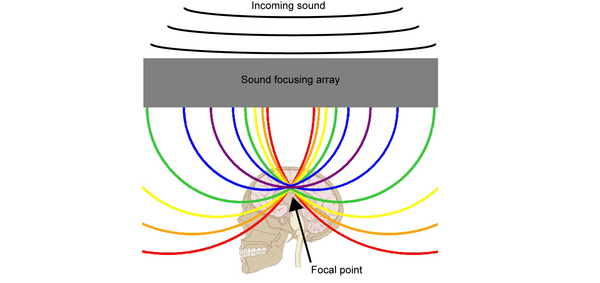
Sound waves can be amazingly powerful, especially when they work together. Here the authors create an “acoustic lens” that focuses sound waves on a single location. This makes the sound waves very powerful, capable of causing damage at a precise point. In the future, acoustic lenses like this could potentially be used to treat cancer by killing small tumors without surgery.
Read More...Friend or Foe: Investigating the Relationship between a Corn Crop and a Native Ragweed Population
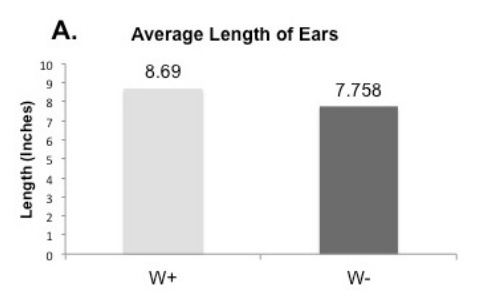
Farmers will need to increase crop yields to feed the world's growing population efficiently. The authors here investigate the effects of growing corn in the presence or absence of ragweed, an invasive weed found in many fields and gardens. Surprisingly, the authors found that corn grown in the presence of weeds grew taller and were more productive than corn that had weeds removed. This may help gardeners rethink the necessity of weeding, and may point a way to improve farm yields in the future.
Read More...Antibacterial Activity and Absorption of Paper Towels Made From Fruit Peel Extracts
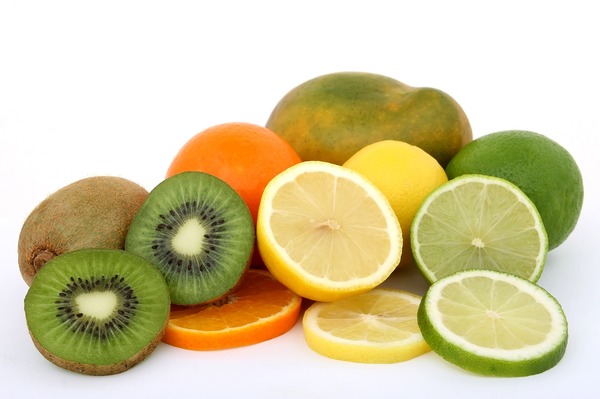
Unsatisfactory hand hygiene leads to the spread of bacterial infections from person to person. To address this problem, the authors developed and tested the PeelTowel, an antibacterial and water-absorbing towel made of a combination of fruit peels and recycled paper waste.
Read More...