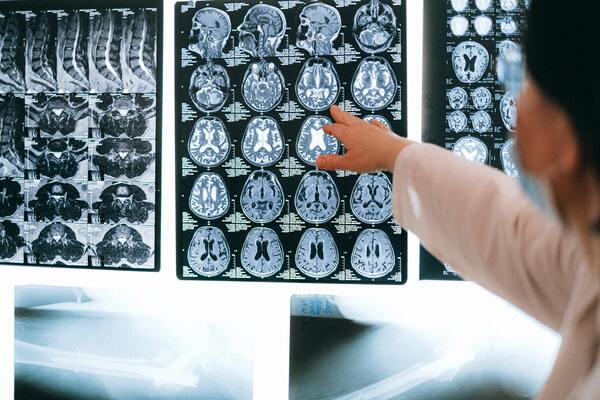
In this study, the authors ask whether a Tau immunotherapy treatment, Hsp70 protein treatment, or dual treatment approach of both the Tau imunotherapy treatment and Hsp70 protein treatment leads to a greater reduction in Tau protein concentration in Alzheimer's disease. Overall, they conclude that the effectiveness of the treatment ultimately relies on the stage of Alzheimer’s.
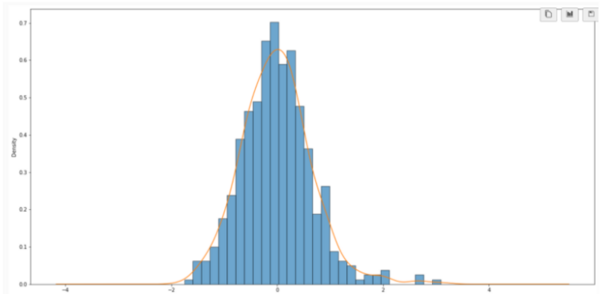
Although there has been great progress in the field of Natural language processing (NLP) over the last few years, particularly with the development of attention-based models, less research has contributed towards modeling keystroke log data. State of the art methods handle textual data directly and while this has produced excellent results, the time complexity and resource usage are quite high for such methods. Additionally, these methods fail to incorporate the actual writing process when assessing text and instead solely focus on the content. Therefore, we proposed a framework for modeling textual data using keystroke-based features. Such methods pay attention to how a document or response was written, rather than the final text that was produced. These features are vastly different from the kind of features extracted from raw text but reveal information that is otherwise hidden. We hypothesized that pairing efficient machine learning techniques with keystroke log information should produce results comparable to transformer techniques, models which pay more or less attention to the different components of a text sequence in a far quicker time. Transformer-based methods dominate the field of NLP currently due to the strong understanding they display of natural language. We showed that models trained on keystroke log data are capable of effectively evaluating the quality of writing and do it in a significantly shorter amount of time compared to traditional methods. This is significant as it provides a necessary fast and cheap alternative to increasingly larger and slower LLMs.
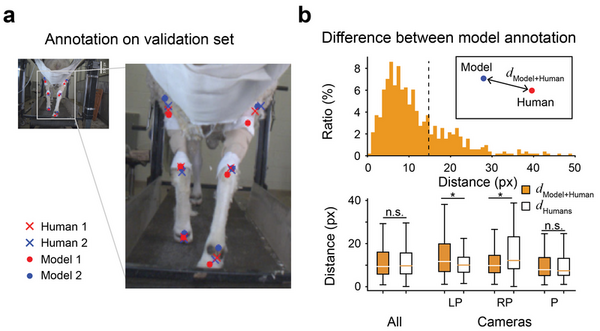
The application of machine learning techniques has facilitated the automatic annotation of behavior in video sequences, offering a promising approach for ethological studies by reducing the manual effort required for annotating each video frame. Nevertheless, before solely relying on machine-generated annotations, it is essential to evaluate the accuracy of these annotations to ensure their reliability and applicability. While it is conventionally accepted that there cannot be a perfect annotation, the degree of error associated with machine-generated annotations should be commensurate with the error between different human annotators. We hypothesized that machine learning supervised with adequate human annotations would be able to accurately predict body parts from video sequences. Here, we conducted a comparative analysis of the quality of annotations generated by humans and machines for the body parts of sheep during treadmill walking. For human annotation, two annotators manually labeled six body parts of sheep in 300 frames. To generate machine annotations, we employed the state-of-the-art pose-estimating library, DeepLabCut, which was trained using the frames annotated by human annotators. As expected, the human annotations demonstrated high consistency between annotators. Notably, the machine learning algorithm also generated accurate predictions, with errors comparable to those between humans. We also observed that abnormal annotations with a high error could be revised by introducing Kalman Filtering, which interpolates the trajectory of body parts over the time series, enhancing robustness. Our results suggest that conventional transfer learning methods can generate behavior annotations as accurate as those made by humans, presenting great potential for further research.
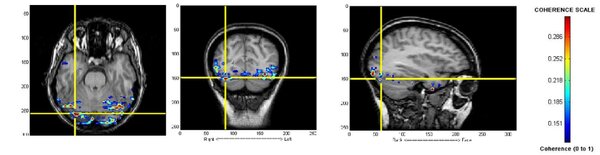
Autism spectrum disorder (ASD) is a complex neurodevelopmental disorder and is difficult to diagnose in young children. Here magnetoencephalography was used to compare the brain activity in patients with ASD to patients in a control group. The results show that patients with ASD have a high level of activity in different areas of the brain than those in the control group.
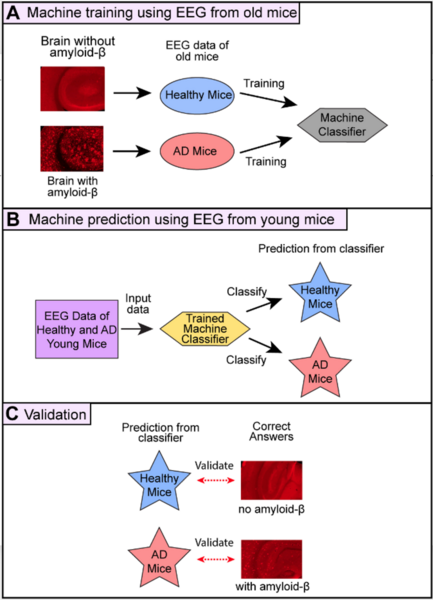
Alzheimer’s disease (AD) is a common disease affecting 6 million people in the U.S., but no cure exists. To create therapy for AD, it is critical to detect amyloid-β protein in the brain at the early stage of AD because the accumulation of amyloid-β over 20 years is believed to cause memory impairment. However, it is difficult to examine amyloid-β in patients’ brains. In this study, we hypothesized that we could accurately predict the presence of amyloid-β using EEG data and machine learning.
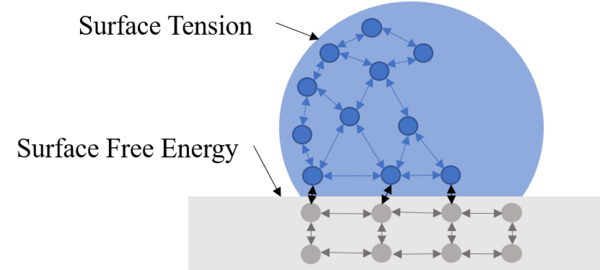
In this study, the authors were interested in developing a hydrophobic surface that will extend the lifespan of metals by reducing water exposure and other damage. The used a zinc coating on steel to pursue this effort.
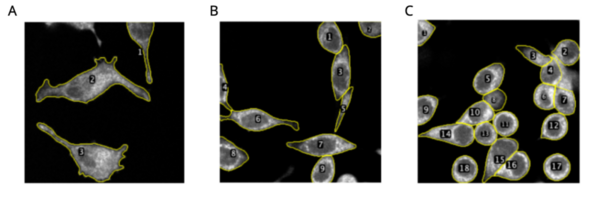
Cancer cells rely heavily on glycolysis, but how they respond when glucose is reintroduced after acute starvation is not well understood. Using fluorescence lifetime imaging microscopy, students tracked metabolic changes in HeLa cells and found a rapid shift toward glycolysis within 20 minutes of glucose reintroduction, followed by heterogeneous recovery toward oxidative phosphorylation. These results highlight metabolic flexibility and variability in cancer cells, offering insights relevant to treatment resistance and therapeutic design.
In this article the authors looked at the effect of spending time with a therapy dog before and after stressful events. They found that interacting with a therapy before a stressful event showed more significant reduction in signs of stress compared to interacting with a therapy dog after stressful events have already occurred.
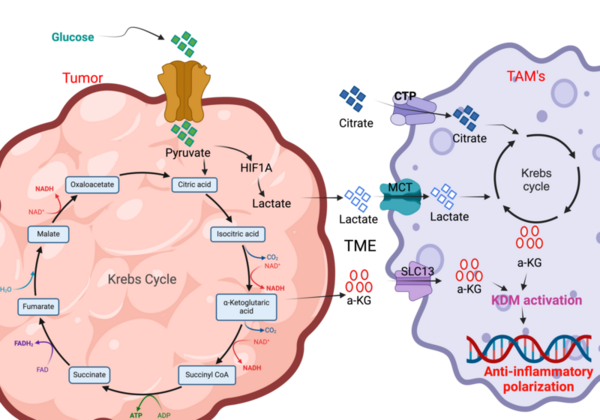
The authors looked at the impact of citrate and lactate on glioblastoma progression. Their results provide important insights for future immunotherapies aimed at treating glioblastoma.
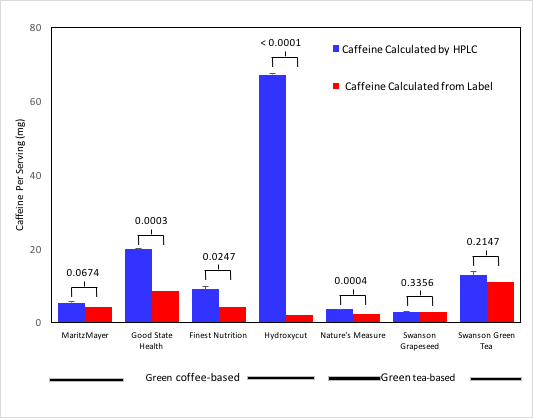
Many weight loss supplements contain the stimulant caffeine, but do not disclose the amount. Here, authors measure and compare the amount of caffeine in different dietary supplements. This research gives consumers better understanding of the impact natural supplements may have on their health.