In this study, the authors investigate the effect of disorganization and messiness on high school students' ability to perform well on a standardized test.
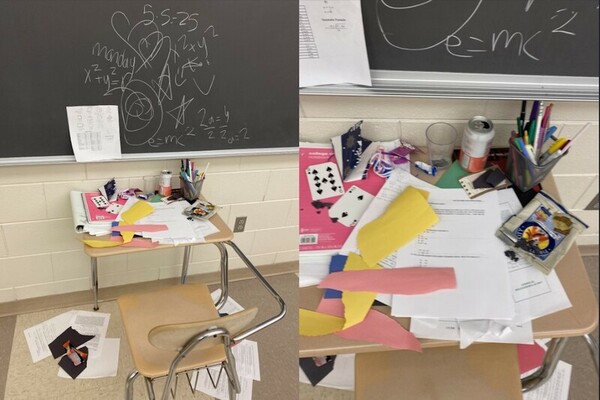
Read More...The effect of workspace tidiness on schoolwork performance of high school students
In this study, the authors investigate the effect of disorganization and messiness on high school students' ability to perform well on a standardized test.
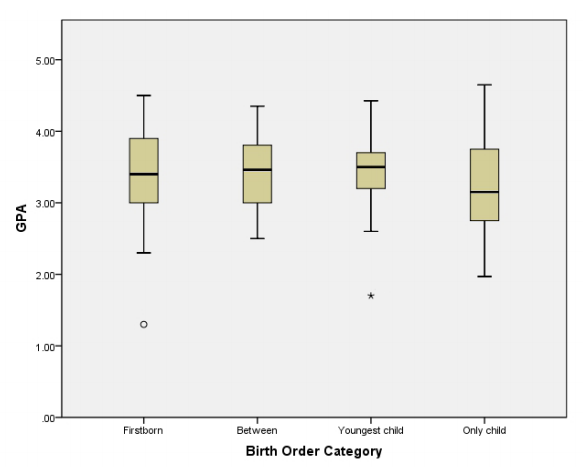
Read More...The Effects of Birth Order on Indicators of Academic Success Among High School Students of Multiple Ethnicities
In many cultures and for many centuries, the implications of birth order have been examined. Birth order has been shown to affect personality, accomplishments, and even career choice. This study investigated the impact of birth order and ethnicity on two measures of academic success in high school: a student’s grade point average (GPA) and the number of Advanced Placement (AP) classes he or she took.
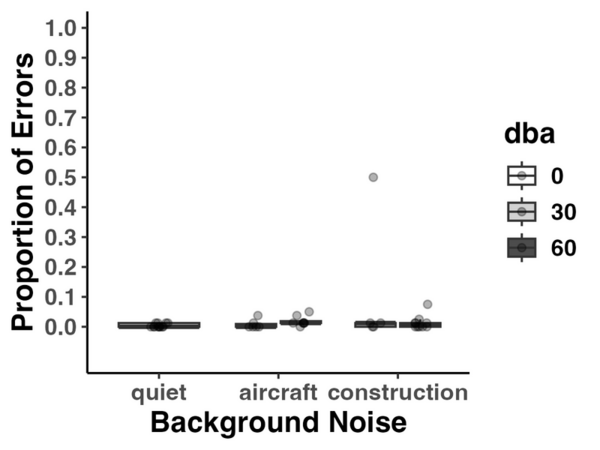
Read More...The impact of environmental noise on the cognitive functions and mental workload of high school students
Authors examine the impact of environmental noise on cognitive processes in teenagers, focusing on five different noise conditions: two types of noise (aircraft and construction) at two different decibel levels (30 dBA and 60 dBA) and a quiet condition.
Read More...Awareness of plastic pollution and adoption of green consumer lifestyles among students from high school
In this study, the authors test ways to increase knowledge of green consumerism amongst high school students. Their knowledge was measured based on the New Ecological Paradigm Scale.
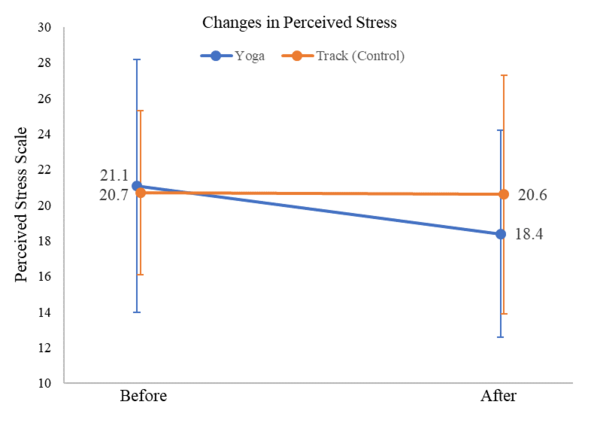
Read More...Namaste to Wellbeing? The Effect of Yoga on the Health of African American High School Students
The authors examined the potential psychological and physiological benefits of yoga for African American high school students who attended a rigorous college preparatory program - they found that the perceived stress levels of yoga participants decreased 13% compared to the control group, though no significant changes in physiology were noted.
Read More...Does technology help or hurt learning? Evidence from middle school and high school students
Here, recognizing the vastly different opinion held regarding device usage, the authors considered the effects of technology use on middle and high school students' learning effectiveness. Using an anonymous online survey they found partial support that device use at school increases learning effectiveness, but found strong support for a negative effect of technology use at home on learning effectiveness. Based on their findings they suggest that the efficacy of technology depends on environmental context along with other important factors that need consideration.
Read More...Investigating Teen Audism: The Development and Use of a Survey Scale to Measure Misconceptions of the Deaf Community in a Hearing High School
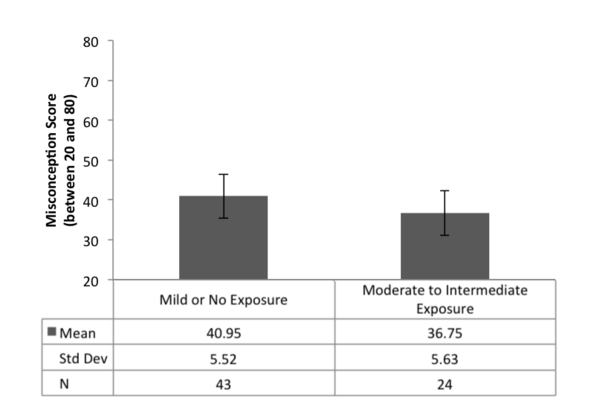
The authors explore hearing students' misconceptions about the Deaf and Hard of Hearing (HoH) community. Results indicate that some misconceptions are more common than others, and that personal experience with individuals in the Deaf and HoH community reduces the frequency of such misconceptions.
Read More...The frequency and psychological effects of name mispronunciation in an independent school
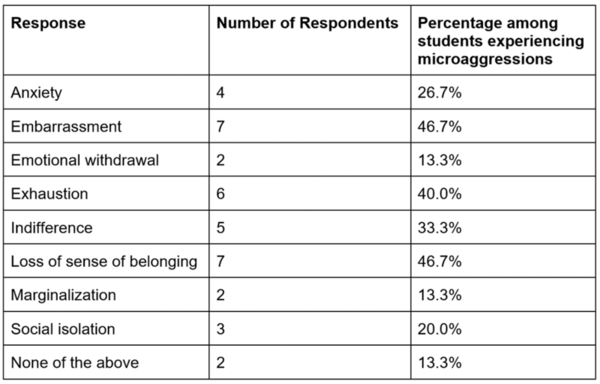
The authors survey high school students regarding the frequency of microaggressions such as name mispronunciation.
Read More...A study of South Korean international school students: Impact of COVID-19 on anxiety and learning habits
In this study, the authors investigate the effects of the COVID-19 pandemic on South Korean international school students' anxiety, well being and their learning habits.
Read More...The comparative effect of remote instruction on students and teachers
In this study, high school students and teachers responded to a survey consisting of Likert-type scale, multiple-choice, and open-ended questions regarding various aspects of remote instruction. After analyzing the data collected, they found that remote learning impacted high school students academically and socially. Students took longer to complete assignments, and both students and teachers felt that students do not learn as much in remote learning compared to in-person instruction. However, most high school students demonstrated a comprehensive understanding of the topics, and an overall negative impact on students' grades was not detected.
Read More...