Browse Articles

Suppress that algae: Mitigating the effects of harmful algal blooms through preemptive detection & suppression

Natarajan et al. | Jul 17, 2023

Suppress that algae: Mitigating the effects of harmful algal blooms through preemptive detection & suppression
Image credit: Sharanya Natarajan

A bottleneck in deleting algal blooms is that current data section is manual and is reactionary to an existing algal bloom. These authors made a custom-designed Seek and Destroy Algal Mitigation System (SDAMS) that detects harmful algal blooms at earlier time points with astonishing accuracy, and can instantaneously suppress the pre-bloom algal population.

Read More...
The optimization of high-protein duckweed cultivation in eutrophicated water with mutualistic bacteria

Akkarajeerawat et al. | Mar 18, 2025

The optimization of high-protein duckweed cultivation in eutrophicated water with mutualistic bacteria

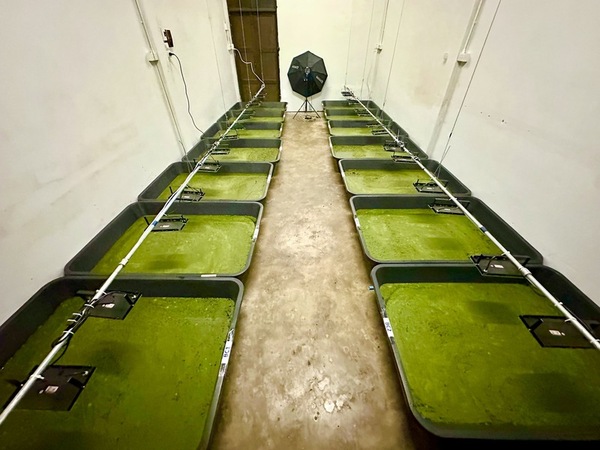
he rapid growth of the human population is driving food crises in Thailand and Southeast Asia, while contributing to global food insecurity and a larger carbon footprint. One potential solution is cultivating duckweed (Wolffia globosa) for consumption, as it grows quickly and can provide an alternative protein source. This research explored two methods to optimize duckweed cultivation: using phosphorus- and nitrogen-rich growing media and plant growth-promoting bacteria (PGPB).

Read More...

Contribution of environmental factors to genetic variation in the Pacific white-sided dolphin

Talwar et al. | Jan 23, 2024

Contribution of environmental factors to genetic variation in the Pacific white-sided dolphin
Image credit: Flavio

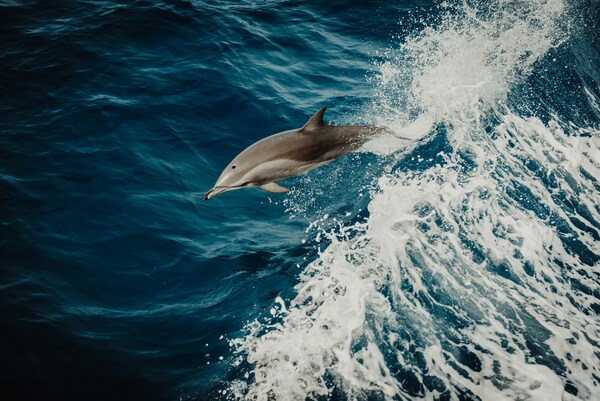
Here the authors sought to understand the effects of different variables that may be tied to pollution and climate change on genetic variation of Pacific white-sided dolphins, a species that is currently threatened by water pollution. Based on environmental data collected alongside a genetic distance matrix, they found that ocean currents had the most significant impact on the genetic diversity of Pacific white-sided dolphins along the Japanese coast.

Read More...

Risk factors contributing to Pennsylvania childhood asthma

Li et al. | Oct 30, 2024

Risk factors contributing to Pennsylvania childhood asthma
Image credit: The authors

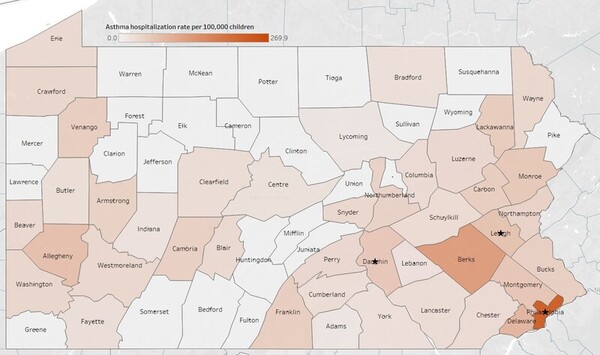
Asthma is one of the most prevalent chronic conditions in the United States. But not all people experience asthma equally, with factors like healthcare access and environmental pollution impacting whether children are likely to be hospitalized for asthma's effects. Li, Li, and Ruffolo investigate what demographic and environmental factors are predictive of childhood asthma hospitalization rates across Pennsylvania.

Read More...

Lettuce seed germination in the presence of microplastic contamination

Kochar et al. | Dec 09, 2024

Lettuce seed germination in the presence of microplastic contamination

Microplastic pollution is a pressing environmental issue, particularly in the context of its potential impacts on ecosystems and human health. In this study, we explored the ability of plants, specifically those cultivated for human consumption, to absorb microplastics from their growing medium. We found no evidence of microplastic absorption in both intact and mechanically damaged roots. This outcome suggests that microplastics larger than 10 μm may not be readily absorbed by the root systems of leafy crops such as lettuce (L. sativa).

Read More...