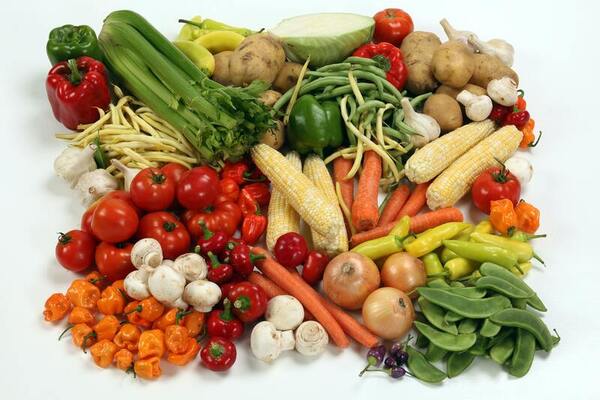
This study compares different methods for cooking vegetables to determine which retain iron and ascorbic acid, or vitamin C, levels the most.
Read More...Effect of different cooking methods on the levels of iron and ascorbic acid in green vegetables
This study compares different methods for cooking vegetables to determine which retain iron and ascorbic acid, or vitamin C, levels the most.
Read More...Evaluation of platelet-rich plasma vs. platelet lysate: VEGF and PDGF concentration, stability, and shelf life

Cell-free biologicals are a novel method of treating clinical conditions which involve chronic inflammation such as tendonitis and osteoarthritis. This study compared platelet-derived growth factor (PDGF) and vascular endothelial growth factor (VEGF) in platelet-rich plasma (PRP), activated PRP (aPRP), and platelet lysate (PL). It was hypothesized that PL would contain higher concentrations of growth factors than PRP and that different storage temperatures for PL would diminish cytokine expression. Results demonstrated PL had the highest concentrations of both cytokines, with concentrations slightly diminishing at-80C. aPRP and PRP demonstrated lower concentrations of PDGF and VEGF than PL.
Read More...Preliminary investigation of Allosauroidea facial integument and the evolution of theropod facial armor
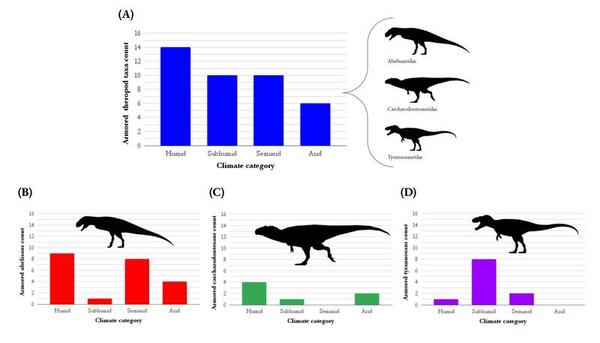
The facial integument, or external skin tissues, were assessed on set of dinosaurs from the Allosauroidea clade to test whether dermal patterns served specific functions.
Read More...Milkweed sustainability in the Sonoran Desert: A. erosa is more water-efficient compared to two other species
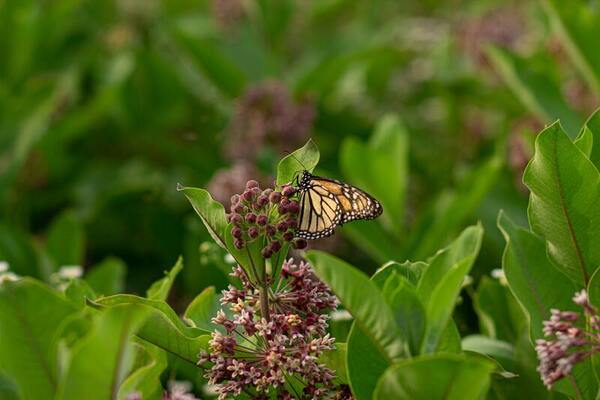
This study assesses the capacity for milkweed species, an important host plant for Monarch butterflies, to grow in desert environments with different water levels.
Read More...How does light affect the distribution of Euglena sp. and Tetrahymena pyriformis

In this article, the authors explored the locomotory movement of Euglena sp. and Tetrahymena pyriformis in response to light. Such research bears relevance to the migration and distribution patterns of both T. pyriformis and Euglena as they differ in their method of finding sustenance in their native environments. With little previous research done on the exploration of a potential response to photostimulation enacted by T. pyriformis, the authors found that T. pyriformis do not bias in distribution towards areas of light - unlike Euglena, which displayed an increased prevalence in areas of light.
Read More...Idotea balthica comparison: Anatomy, locomotion, and seaweed preference of Massachusetts isopods

Here the authors examined a population of Massachusetts marine isopods, seeking to classify them based on comparison of their morphology, movement, and seaweed preference compared to those of known species. In this process they found that they were most similar to Idotea balthica. The authors suggest that this knowledge combined with monitoring populations of marine biology such as these isopods in different physical and ecological areas can provide useful insight into the effects of climate change.
Read More...Do trumpet players have a greater expiratory capacity than those who do not play a wind instrument?

With healthy lung performance being critical to daily function and maintenance of physical health, the authors of this study explored the impact of airflow training from playing a wind instrument on respiratory system function. With careful quantification of peak expiratory flow of individuals who played the trumpet, the authors found no expiratory capacity difference between students who played the trumpet and students who did not play a wind instrument.
Read More...Firearm-purchase laws that limit the number of guns on the market reduce gun homicides in the South Side of Chicago
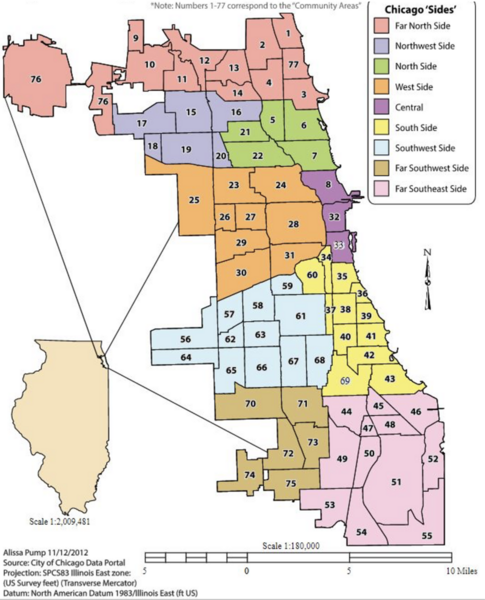
Gun violence has been a serious issue in the South Side of Chicago for a long time. To intervene, regulators have passed legislation they hoped to curb -if not completely eradicate- the issue. However, there is little analysis done on how effective the various laws have been at reducing gun violence. Here the authors explore the association between firearm purchase laws passed between 1993-2018 and the incidence of gun homicide in Chicago's South Side. Their analysis suggests that some laws have been more effective than others, while some might have exacerbated the issue. However, they do not consider other contributing factors, which makes it difficult to prove causation without further investigation.
Read More...Are alkaline spices the future of antibiotics?
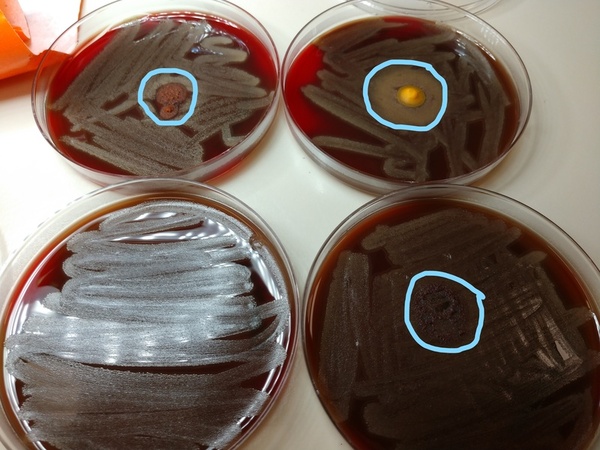
The authors experimented with several commonly available alkaline spices (turmeric, cayenne pepper, and cinnamon) to study their antimicrobial properties, hypothesizing that alkaline spices would have antimicrobial activity. Results showed a zone of inhibition of bacterial growth, with the largest zone of inhibition being around turmeric, followed by cayenne pepper, and the smallest around cinnamon. These results are impactful, as common alkaline spices generally do show antibacterial properties and both bacteriostatic and bactericidal effects correlated with degree of alkalinity.
Read More...Environmentally-friendly graphene conductive ink using graphene powder, polystyrene, and waste oil
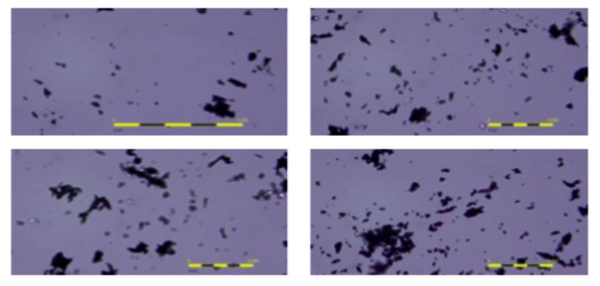
In this article, the authors propose an effective, environmentally-friendly method of producing conductive ink using expired waste oil, polystyrene, and graphene.
Read More...