Browse Articles

How Ya Doin'? with COVID-19

Kung et al. | Dec 02, 2021

How Ya Doin'? with COVID-19

In this study, the authors survey students and adults about how the COVID-19 pandemic has impacted their sleep patterns, eating habits, mood, physical activity, and screen time.

Read More...

Feature extraction from peak detection algorithms for enhanced EMG-based hand gesture recognition models

Nathan et al. | Jan 10, 2026

Feature extraction from peak detection algorithms for enhanced EMG-based hand gesture recognition models
Image credit: Nathan and Raju

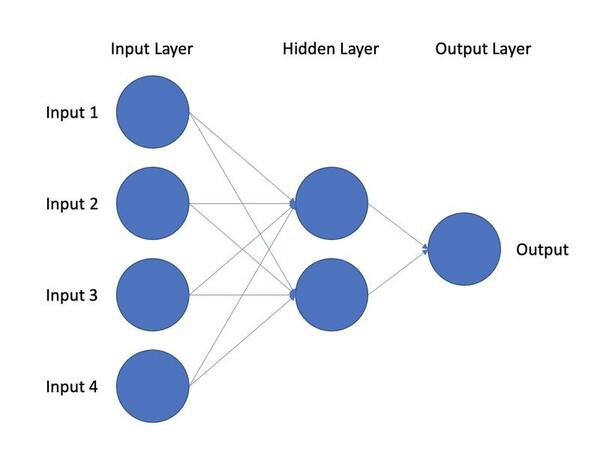
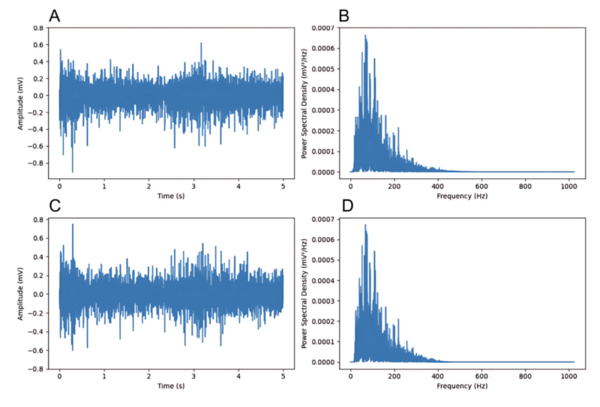
This manuscript evaluates peak detection algorithms for feature extraction in EMG-based hand gesture recognition using a random forest classifier. The study demonstrates that wavelet-based peak detection features achieve the highest classification accuracy (96.5%), outperforming other methods. The results highlight the potential of peak features to improve EMG-based prosthetic control systems.

Read More...

The effects of age on quality of mental health during the COVID-19 pandemic

Bui et al. | Jul 15, 2024

The effects of age on quality of mental health during the COVID-19 pandemic

The impact of age on mental health is a crucial yet understudied aspect of public health. While mental health is gaining recognition as a vital component of overall well-being, its correlation with age remains largely unexplored. In Canada, where the median age has risen significantly over the past half-century, understanding this relationship becomes increasingly pertinent. Researchers hypothesized that older adults would exhibit lower rates of mental health disorders and report better perceived mental health due to increased emotional stability and maturity.

Read More...

The effects of different modes of vocalization and food consumption on the level of droplet transmission of bacteria

Wong et al. | May 10, 2021

The effects of different modes of vocalization and food consumption on the level of droplet transmission of bacteria

Microbial agents reposnsible for respiratory infections are often carried in spittle, which means they can be easily transmitted. Here, the authors investigate how likely certain activities are to spread microbes carried in spittle. They also investigate whether eating certain types of food might reduce the spread of spittle-borne bacteria too.

Read More...

A five-year retrospective analysis of Tuberculosis risk factors and their variability in the United States

Kini et al. | Mar 14, 2026

A five-year retrospective analysis of Tuberculosis risk factors and their variability in the United States
Image credit: Kini, Diaz Gaviria, Diaz, and Kini

The main goal of this study is to determine what demographics are related to tuberculosis incidence in the United States populations, particularly if changing demographics are related to differences in tuberculosis risk over two discrete time periods. The major finding is that in the two studied time periods, tuberculosis risk factors were somewhat consistent and may be influenced by things such as immigration, healthcare access, and race or ethnicity, although the top predictor did change.

Read More...