Here, the authors characterize how silver ions nucleate a star-block copolymer to generate nano-sized silver particles.
Read More...Understanding the Mechanism of Star-Block Copolymers as Nanoreactors for Synthesis of Well-Defined Silver Nanoparticles
Here, the authors characterize how silver ions nucleate a star-block copolymer to generate nano-sized silver particles.
Read More...Talinum paniculatum root exhibits synergistic antimicrobial activity with Tetracycline, Erythromycin, and Streptomycin against S. aureus but has no observed effect on antibiotic efficacy against E. coli
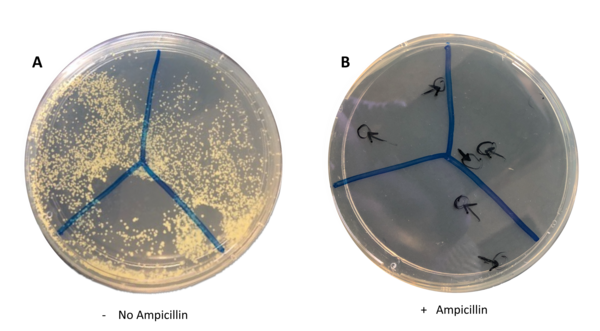
Patel et al. explore whether T. paniculatum plant extract can work with modern antibiotics to increase antibiotic efficacy against common disease-causing bacteria. The plant extract in conjunction with the antibiotic shows promise in battling S. aureus. The authors present a cost-effective method to increase antibiotic efficacy in a time where antibiotic resistant bacteria is becoming a growing problem.
Read More...Peptidomimetics Targeting the Polo-box Domain of Polo-like Kinase 1
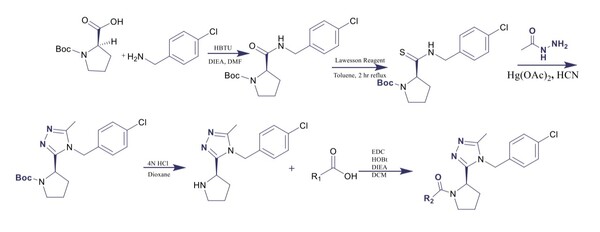
Polo-like kinase 1 (Plk1) is a master regulator of mitosis, initiating key steps of cell cycle regulation, and its overexpression is associated with certain types of cancer. In this study, the authors carefully designed peptides that were able to bind to Plk1 at a location that is important for its proper localization and function. Future studies could further develop these peptides to selectively target Plk1 in cancer cells and induce mitotic arrest.
Read More...The Effect of Antioxidant Vitamins on Mustard Plants in a Hydrogen Peroxide-Induced Injury Model
In this study, the authors assess the antioxidant properties of vitamins A, C and E given to mustard plants after oxidative damage. This research shows an interesting comparison of the vitamins' effect on plant recovery and health.
Read More...Friend or Foe: Investigating the Relationship between a Corn Crop and a Native Ragweed Population
Farmers will need to increase crop yields to feed the world's growing population efficiently. The authors here investigate the effects of growing corn in the presence or absence of ragweed, an invasive weed found in many fields and gardens. Surprisingly, the authors found that corn grown in the presence of weeds grew taller and were more productive than corn that had weeds removed. This may help gardeners rethink the necessity of weeding, and may point a way to improve farm yields in the future.
Read More...The Effects of Micro-Algae Characteristics on the Bioremediation Rate of Deepwater Horizon Crude Oil
Environmental disasters such as the Deepwater Horizon oil spill can be devastating to ecosystems for long periods of time. Safer, cheaper, and more effective methods of oil clean-up are needed to clean up oil spills in the future. Here, the authors investigate the ability of natural ocean algae to process crude oil into less toxic chemicals. They identify Coccochloris elabens as a particularly promising algae for future bioremediation efforts.
Read More...Where to invest: Stock market indices versus mutual funds
Observing food and density effects on the reproductive strategies of Heterandria formosa
The authors looked at the impact of different harvest and feeding treatments on Heterandria formosa over three generations as a model for changes in marine ecosystems.
Read More...Investigating auxin import and export proteins in Chlorella vulgaris
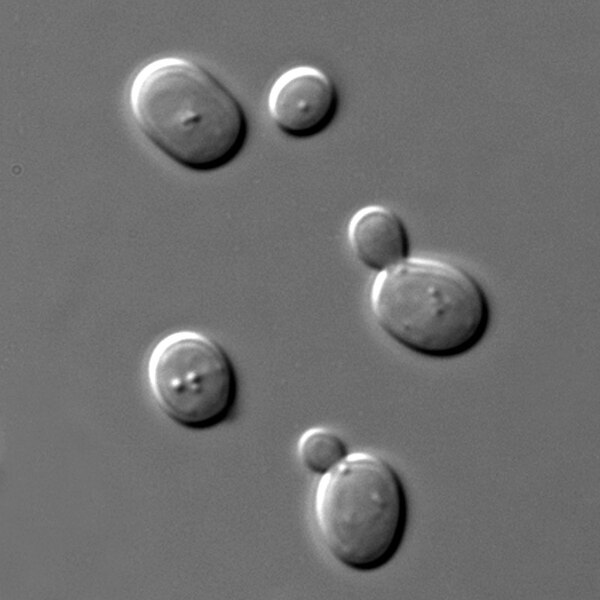
This study explores auxin signaling in Chlorella vulgaris, a green alga with potential for sustainable biofuel and food production. Evidence from protoplast swelling experiments suggests that C. vulgaris secretes auxin and possesses auxin import proteins, highlighting previously uncharacterized signaling pathways. These findings could support more efficient cultivation and resource extraction strategies.
Read More...Development of novel biodegradable bioplastics for packaging film using mango peels
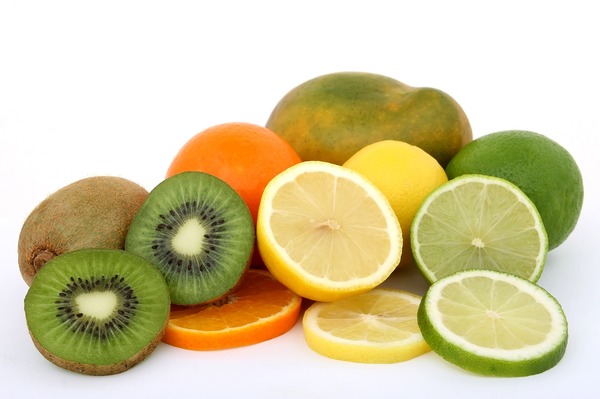
Here the authors explored the development of biodegradable bioplastic films derived from mango peels as a sustainable solution to plastic pollution and greenhouse gas emissions from fruit waste. They optimized the film's mechanical properties and water resistance through adjusting processing conditions and incorporating plasticizers and a hydrophobic coating, ultimately demonstrating its potential as a bacteriostatic and biodegradable alternative to conventional plastic food wrap.
Read More...