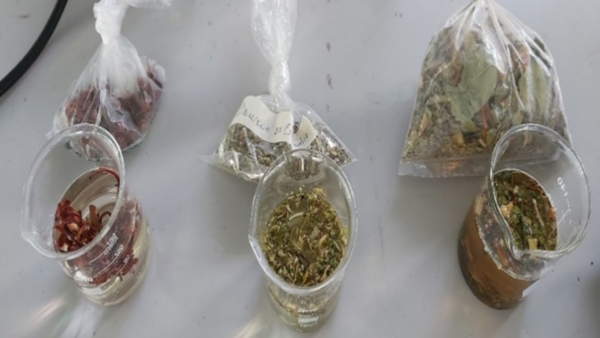
This study investigates the presence of alkaloids in a variety of medicinal plants using the Marquis reagent. They reveal some surprising results and how useful the Marquis reagent is.
Read More...Alkaloids Detection in Commonly Found Medicinal Plants with Marquis Reagent
This study investigates the presence of alkaloids in a variety of medicinal plants using the Marquis reagent. They reveal some surprising results and how useful the Marquis reagent is.
Read More...Comparing the Biodegradability of Petroleum-based Plastic with a Novel, Sustainable Bio-plastic Alternative
.jpg)
In this research, a novel bioplastic inclusive of bamboo tannins and chitosan is selected from more than 60 trial formula variations based on resulting strength, fatigue, and transparency attributes. The biodegradability of the finalized bioplastic is compared to that of conventional polyethylene, in addition to investigating its solubility and water absorbance. This research displays the potential of a legitimate, fully biodegradable plastic alternative to current marketplace bioplastics.
Read More...The Impacts of Varying Types of Light on the Growth of Five Arabidopsis Varieties
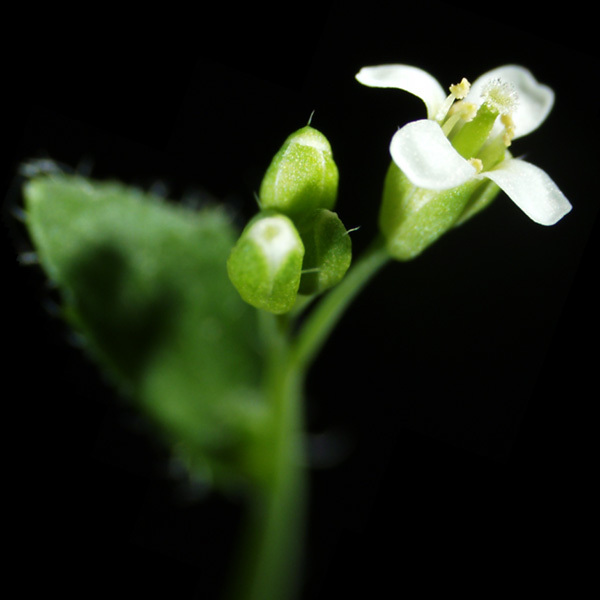
Arabadopsis, “the fruit fly of plants”, is an easy to grow plant system for genetic manipulation. Here, researchers tested the effects of varied light conditions on plants with specific mutations in the light sensing pathways.
Read More...Assessing Materials’ Short-term Effectiveness on Controlling Zebra Mussel (Dreissena polymorpha) Attachment
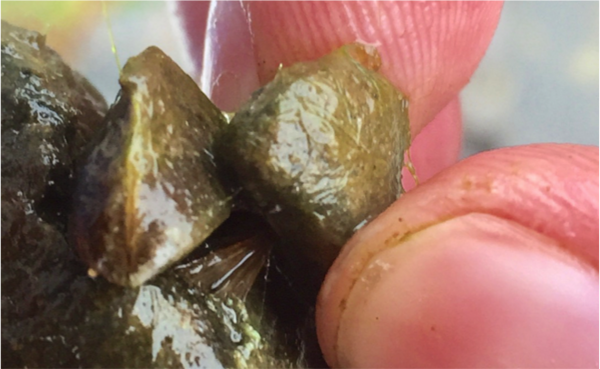
Zebra mussels are an aquatic invasive species. They attach to essential industrial structures and harm the native ecosystem, costing millions of dollars each year to control. This study explored the effectiveness of two nontoxic materials (Sharklet & Netminder) in combating zebra mussel attachment.
Read More...The Effects of Antioxidants on the Climbing Abilities of Drosophila melanogaster Exposed to Dental Resin
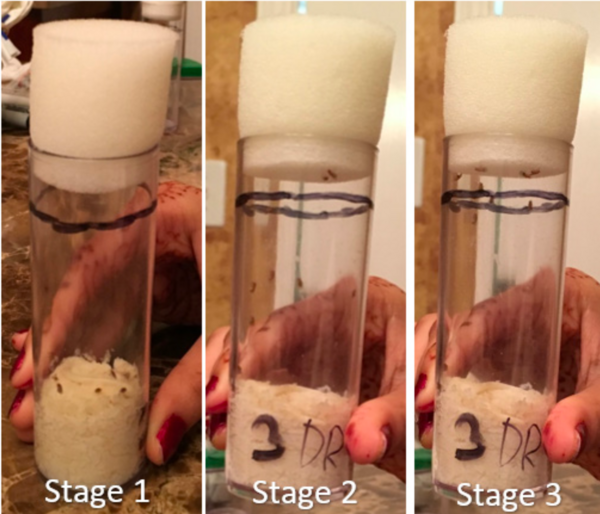
Dental resins can be a source of reactive oxygen species (ROS) which in unruly amounts can be toxic to cellular and overall health. In this report, the authors test whether the consumption of antioxidant rich foods like avocado and asparagus can protect against the effect of dental resin-derived ROS. However, rather than testing humans, they use fruit flies and their climbing abilities as an experimental readout.
Read More...Optimizing Interplanetary Travel Using a Genetic Algorithm

In this work, the authors develop an algorithm that solves the problem of efficient space travel between planets. This is a problem that could soon be of relevance as mankind continues to expand its exploration of outer space, and potentially attempt to inhabit it.
Read More...Utilizing meteorological data and machine learning to predict and reduce the spread of California wildfires

This study hypothesized that a machine learning model could accurately predict the severity of California wildfires and determine the most influential meteorological factors. It utilized a custom dataset with information from the World Weather Online API and a Kaggle dataset of wildfires in California from 2013-2020. The developed algorithms classified fires into seven categories with promising accuracy (around 55 percent). They found that higher temperatures, lower humidity, lower dew point, higher wind gusts, and higher wind speeds are the most significant contributors to the spread of a wildfire. This tool could vastly improve the efficiency and preparedness of firefighters as they deal with wildfires.
Read More...The efficacy of spent green tea leaves and coffee grounds on the growth of Ocimum basilicum
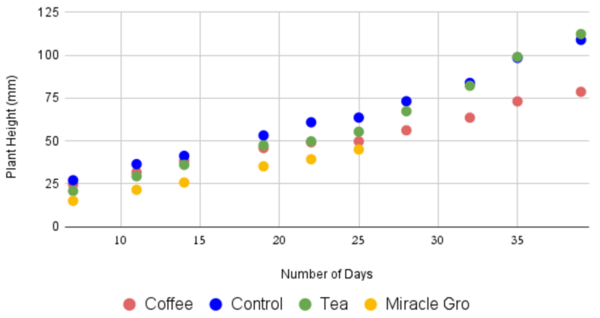
The authors looked at fertilizer derived from coffee ground tea leaves, measuring the effectiveness by measuring the height, weight, and number of leaves on basil plants.
Read More...Can essential oils be allelopathic to Lolium multiforum without harming Solanum lycopersicum?

Seeking to investigate eco-friendly biological methods to control weeds and enhance food crop yields, here the authors considered the effects of three essential oils on seed germination and radicle length of both a weed and a common crop. They found that treatment with turmeric oil had phytotoxic potential, leading to a reduction in both seed germination and radicle length of the weed. In contrast, ginger oil possessed allelopathic properties towards both. The authors suggest that essential oils could be used as eco-friendly bio-herbicides.
Read More...Effect of pH on the antibacterial properties of turmeric
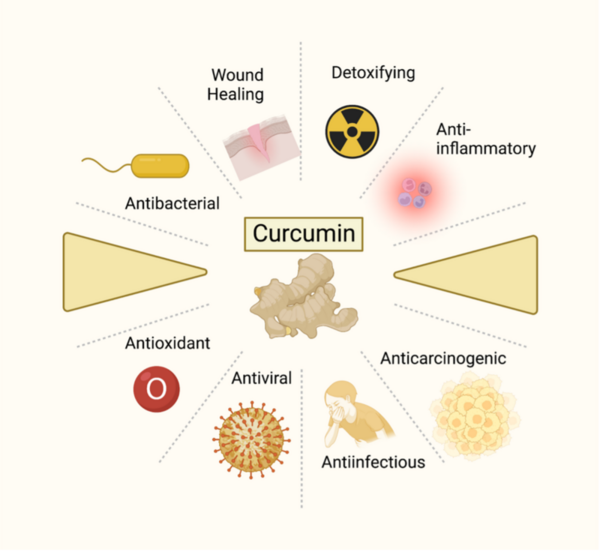
Some spices have antimicrobial or antibacterial properties that people have already tested. Turmeric has a wide variety of uses and has even been implemented in alternative medicine as a treatment for cancer, inflammation, osteoarthritis, and other diseases. We tested the antimicrobial effects of turmeric under two different pHs to characterize this effect in vitro. Decreasing the pH of a solution of turmeric may increase antibacterial properties.
Read More...