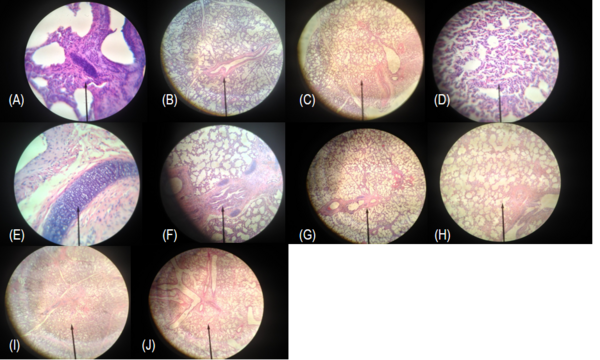
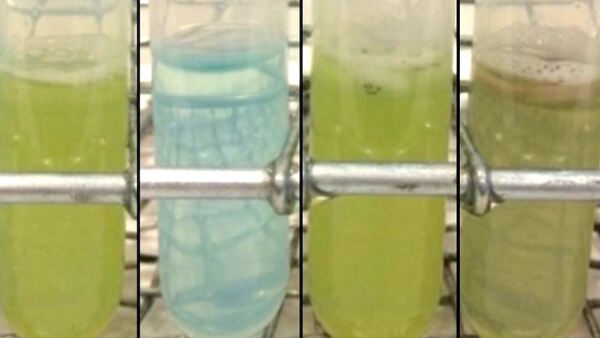
During transfer of organs from a donor to a patient, the organs deteriorate in part due to damage by free radicals. Application of antioxidant solutions could extend organ preservation times. The authors found that vitamin E and butylated hydroxytoluene seemed to be most effective in arresting cell damage of a bovine lung.
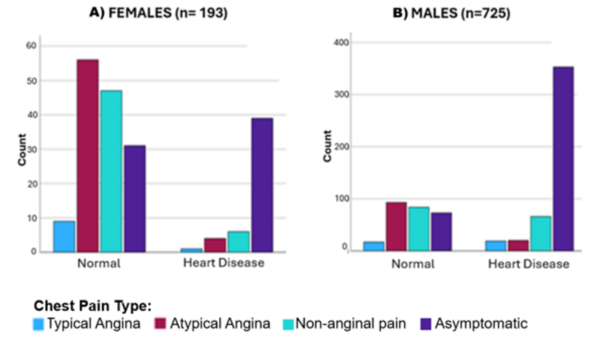
The authors looked factors that could lead to earlier diagnosis of cardiovascular disease thereby improving patient outcomes. They found that advances in imaging and electrocardiography contribute to earlier detection of cardiovascular disease.
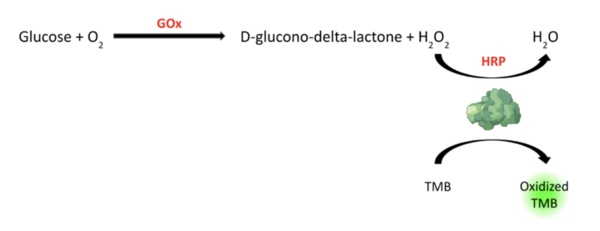
Many diabetics agree that the current glucometer methods are invasive, inefficient, and unsustainable for measuring blood glucose. These authors investigate the possibility of using a non-invasive glucometer patch that predicts blood glucose from patient sweat, with high accuracy.
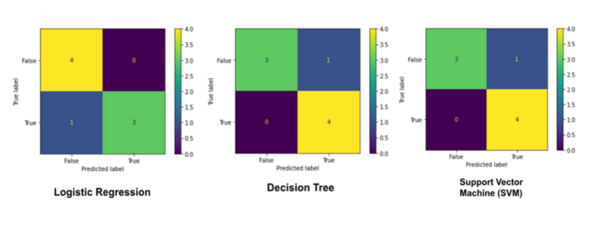
The authors trained a machine learning model to detect kidney stones based on characteristics of urine. This method would allow for detection of kidney stones prior to the onset of noticeable symptoms by the patient.
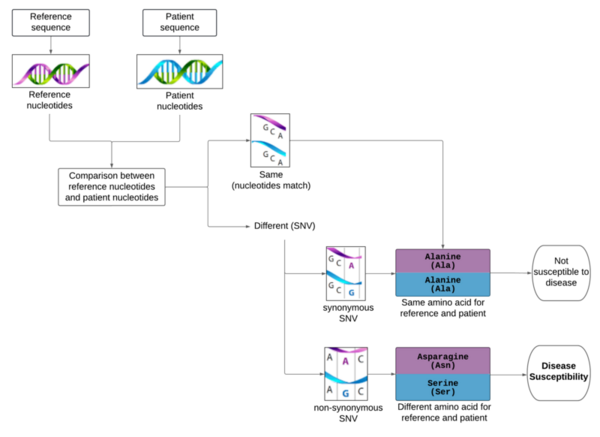
Although the 5-year survival rate for colorectal cancer is below 10%, it increases to greater than 90% if it is diagnosed early. We hypothesized from our research that analyzing non-synonymous single nucleotide variants (SNVs) in a patient's exome sequence would be an indicator for high genetic risk of developing colorectal cancer.
Acquired drug resistance is an increasing challenge in treating cancer with chemotherapy. One mechanism
behind this resistance is the increased inflammation that supports the progression and development of
cancer that arises because of the drug’s presence. Integrative oncology is the field that focuses on including natural products alongside traditional therapy to create a treatment that focuses on holistic patient well-being.
In this study, the authors demonstrate that the use of an herbal formulation, consisting of turmeric and green tea, alongside a traditional chemotherapeutic drug, 5-fluorouracil (FU) significantly decreases the level of cytokines produced in breast cancer cells when compared to the levels produced when exposed solely to the chemo drug. The authors conclude that this combination of treatment, based on the principle of integrative oncology, shows potential for reducing the resistance against treatment conferred through increased inflammation. Consequently, this suggests a prospective way forward in improving the efficacy of cancer treatment.
Effective treatment of depression requires early detection. Depressive symptoms overlap with olfactory regions, which led to several studies of the correlation between sense of smell and depression. The alarming rise of depression, its related crimes, suicides, and lack of inexpensive, quick tools in detecting early depression — this study aims in demonstrating decreased olfaction and depression correlation. Forty-two subjects (ages 13-83) underwent POC-MON (Pocket Lemon) assessment — an oven-dried lemon peel sniff test, subjected to distance measurement when odor first detected (threshold) and completed Patient Health Questionnaires (PHQ-9). POC-MON and PHQ-9 scores yielded a correlation of 20% and 18% for the right and left nostrils, respectively. Among male (n=17) subjects, the average distance of POC-MON and PHQ-9 scores produced a correlation of 14% and 16% for the right and left nostrils, respectively. Females (n=25) demonstrated a correlation of 28% and 21% for the right and left nostrils, respectively. These results suggest the correlation between olfaction and depression in diagnosing its early-stage, using a quick, inexpensive, and patient-friendly tool — POC-MON.
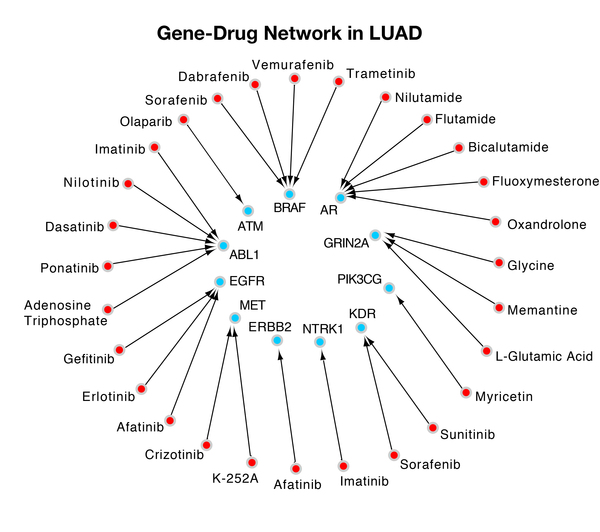
Wang and Gong developed a novel dynamic gene-searching algorithm called Dynamic Gene Search (DyGS) to create a gene panel for each of the 12 cancers with the highest annual incidence and death rate. The 12 gene panels the DyGS algorithm selected used only 3.5% of the original gene mutation pool, while covering every patient sample. About 40% of each gene panel is druggable, which indicates that the DyGS-generated gene panels can be used for early cancer detection as well as therapeutic targets in treatment methods.
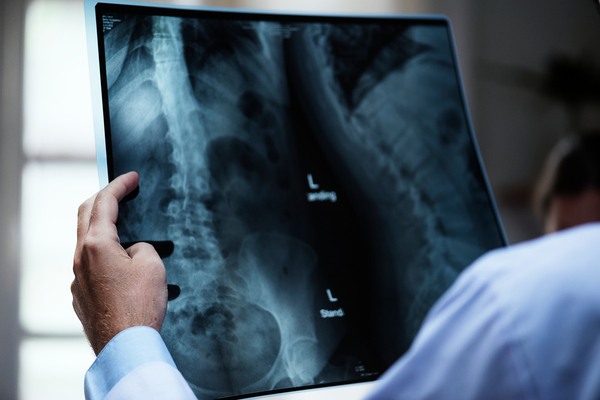
One common age-related health problem is the loss of bone mineral density (BMD), which can lead to a variety of negative health outcomes, including increased risk of spinal fracture. In this study, the authors investigate risk factors that may be predictive of an individual's risk of spinal fracture. Their findings provide valuable information that clinicians can use in patient evaluations.
One disadvantage of antibiotic therapy is the potential for unpleasant gastrointestinal side effects. Here, the authors test whether some common antibiotics directly interfere with the digestion of protein, fat, or sugars. This study provides motivation to more carefully investigate the interactions between antibiotics and gut enzymes in order to inform treatment decisions and improve patient outcomes.