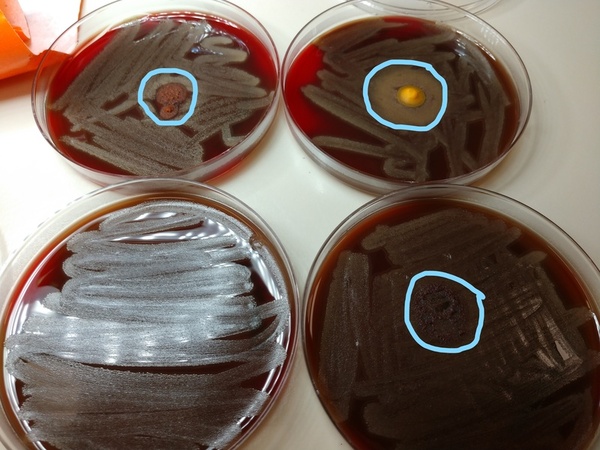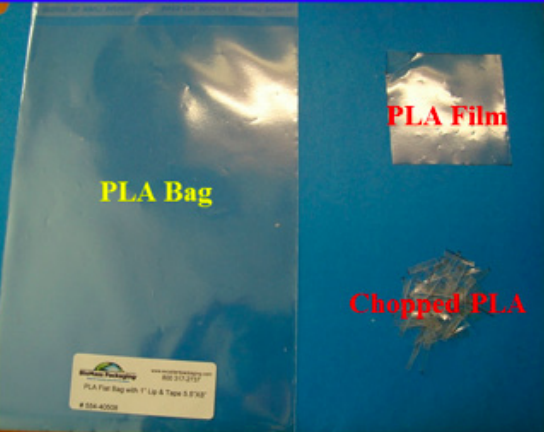
Here the authors aimed to find the best preservative combinations to stop bacterial growth in food, using data modeling and biochemical experiments. They discovered that single preservatives are often not enough, with varying effectiveness against different bacteria, and suggest future research into combining preservatives for better results.
This study explores auxin signaling in Chlorella vulgaris, a green alga with potential for sustainable biofuel and food production. Evidence from protoplast swelling experiments suggests that C. vulgaris secretes auxin and possesses auxin import proteins, highlighting previously uncharacterized signaling pathways. These findings could support more efficient cultivation and resource extraction strategies.
Berberine is a natural product isoquinoline alkaloid derived from plants of the genus Berberis. When exposed to photoirradiation, it produces singlet oxygen through photosensitization of triplet oxygen. Through qNMR analysis of 1H NMR spectra gathered through kinetic experiments, we were able to track the generation of a product between singlet oxygen and alpha terpinene, allowing us to quantitatively measure the photosensitizing properties of our scaffolds.
Amyotrophic lateral sclerosis (ALS) affects nearly 200,000 people worldwide and there is currently no cure. The purpose of the study was to determine if Helianthus annuus seeds helped reduce nerve degeneration and increase locomotion using Drosophila melanogaster as the model organism. Through this experiment, we found a general trend suggesting that H. annuus helped increase the mobility of the D. melanogaster suggesting it could be a viable supplement for patients with ALS.
Staphylococcus aureus (S. aureus) has a mortality rate of up to 30% in developing countries. The purpose of this experiment was to determine if enzymatic and volatile compound-based approaches would perform more quickly in comparison to existing S. aureus diagnostic methods and to evaluate these novel methods on accuracy. Ultimately, this device provided results in less than 30 seconds, which is much quicker than existing methods that take anywhere from 10 minutes to 48 hours based on approach. Statistical analysis of accuracy provides preliminary confirmation that the device based on enzymatic and volatile compound-based approaches can be an accurate and time-efficient tool to detect pathogenic S. aureus.
Luteolin (3′,4′,5,7-tetrahydroxyflavone) is a flavonoid that occurs in fruits, vegetables, and herbs. Research suggests that luteolin is effective against various forms of cancer by triggering apoptosis pathways. This experiment analyzes the effects of luteolin on the cell viability of malignant melanoma cells using an in vitro experiment to research alternative melanoma treatments and hopefully to help further cancer research as a whole.
This study's goal was to identify the Mach numbers for which electrostatic drag and heat transfer manipulation would be most applicable inside the stratosphere. The experiments were conducted using computational fluid dynamics software. The study demonstrated that, on average, higher Mach speeds resulted in a considerably higher potential decrease in density. The study highlights that further research on the surface charge method is warranted to explore higher hypersonic speeds within the stratosphere.
The objective of this project was to test various materials to determine which ones collect the most atmospheric water when exposed to the same environmental factors. The experiment observed the effect of weather conditions, a material’s surface area and hydrophilicity on atmospheric water collection. The initial hypothesis was that hydrophobic materials with the greatest surface area would collect the most water. The materials were placed in the same outside location each night for twelve trials. The following day, the materials were weighed to see how much water each had collected. On average, ribbed plastic collected 10.8 mL of water per trial, which was over 20% more than any other material. This result partially supported the hypothesis because although hydrophobic materials collected more water, surface area did not have a significant effect on water collection.
In a 10-year period in the early 2000’s, hospital-based (nosocomial) infections increased by 123%, and this number is increasing as time goes on. The purpose of this experiment was to use hyaluronic acid, silver nanoparticles, and a bacteriophage cocktail to create a hydrogel that promotes wound healing by increasing cell proliferation while simultaneously disrupting biofilm formation and breaking down Staphylococcus aureus and Pseudomonas aeruginosa, which are two strains of bacteria that attribute to nosocomial infections and are increasing in antibiotic resistance.
We are looking into natural ways to help hair grow better and stronger by studying keratin synthesis in human hair follicles. The reason for conducting this research was to have the ability to control hair growth through future innovations. We wanted to answer the question: How can we find natural ways to enhance hair growth by understanding the connection with natural resources, particularly keratin dynamics? The main focus of this experiment is understanding the promotion of keratin synthesis within human hair follicles, which is important for hair development and health. While keratin is essential for the growth and strength of body tissues, including skin and hair, our research hints at its specific synthesis within hair follicles. In our research utilizing castor oil, coconut oil, a turmeric and baking soda mixture, and a sugar, honey, and lemon mixture, we hypothesize that oils, specifically coconut oil and castor oil, will enhance keratin synthesis, whereas mixtures, such as the turmeric and baking soda mixture and the sugar, honey, and lemon mixture, will result in a decrease keratin synthesis. The methods used show how different natural substances influence keratin formation within the hair follicles. The experiment involved applying natural resources to hair strands and follicles, measuring their length under the microscope daily, and assessing their health and characteristics over seven days. In summary, our research helps us understand how hair grows better. We found that using natural items like essential oils effectively alters keratin growth within the hair follicles and hair strands.