Browse Articles

Investigating the Role of the Novel ESCRT-III Recruitment Factor CCDC11 in HIV Budding: A Potential Target for Antiviral Therapy

Takemaru et al. | Feb 24, 2020

Investigating the Role of the Novel ESCRT-III Recruitment Factor CCDC11 in HIV Budding: A Potential Target for Antiviral Therapy

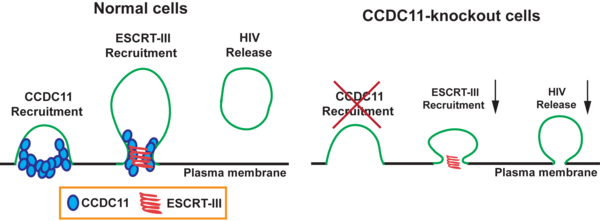
Acquired immunodeficiency syndrome (AIDS) is a life-threatening condition caused by the human immunodeficiency virus (HIV). In this work, Takemaru et al explored the role of Coiled-Coil Domain-Containing 11 (CCDC11) in HIV-1 budding. Their results suggest that CCDC11 is critical for efficient HIV-1 budding, potentially indicating CCDC11 a viable target for antiviral therapeutics without major side effects.

Read More...

Investigating Lymphocytic Involvement in Minimal Change Nephrotic Syndrome

Muncan et al. | Jan 27, 2016

Investigating Lymphocytic Involvement in Minimal Change Nephrotic Syndrome

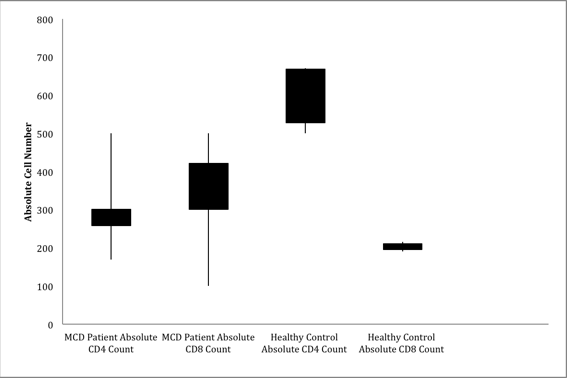
Minimal Change Disease (MCD) is a degenerative kidney disease. Researchers know very little about the cause of this disorder, however some research has suggested that T lymphocytes may be involved. In this study, the authors measure CD4 and CD8 T cell subpopulations in patients with MCD to investigate whether irregular T lymphocyte populations may be involved in MCD pathogenesis.

Read More...

Functional Network Connectivity: Possible Biomarker for Autism Spectrum Disorders (ASD)

Wang et al. | Feb 23, 2015

Functional Network Connectivity: Possible Biomarker for Autism Spectrum Disorders (ASD)

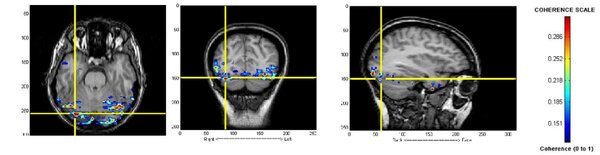
Autism spectrum disorder (ASD) is a complex neurodevelopmental disorder and is difficult to diagnose in young children. Here magnetoencephalography was used to compare the brain activity in patients with ASD to patients in a control group. The results show that patients with ASD have a high level of activity in different areas of the brain than those in the control group.

Read More...

Investigating the effects of PVC microplastics on the growth of Chlorella vulgaris

Beaubien et al. | Oct 13, 2026

Investigating the effects of PVC microplastics on the growth of <i>Chlorella vulgaris</i>

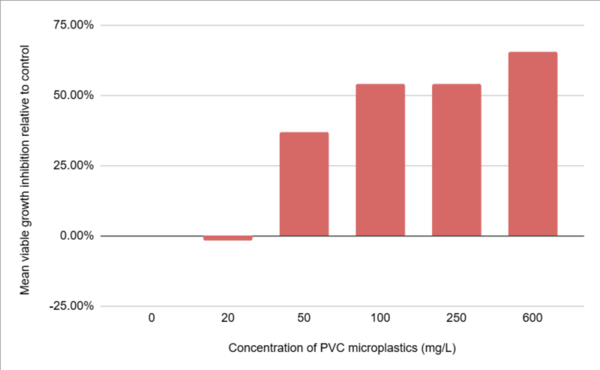
This study examined the effect of varying PVC microplastic concentrations on the growth of Chlorella vulgaris in freshwater, utilizing six PVC levels and identical culture conditions. Cell counts revealed that higher PVC concentrations consistently reduced algal growth, and a Spearman correlation test detected a significant negative monotonic association between PVC concentration and viable cell density. These results support the hypothesis that PVC microplastics impair algal growth, underscoring their ecological risk in freshwater environments.

Read More...

Drosophila proteins as human surrogates for early drug discovery: Findings from detailed structural analysis

Shankar et al. | Oct 11, 2026

<i>Drosophila</i> proteins as human surrogates for early drug discovery: Findings from detailed structural analysis

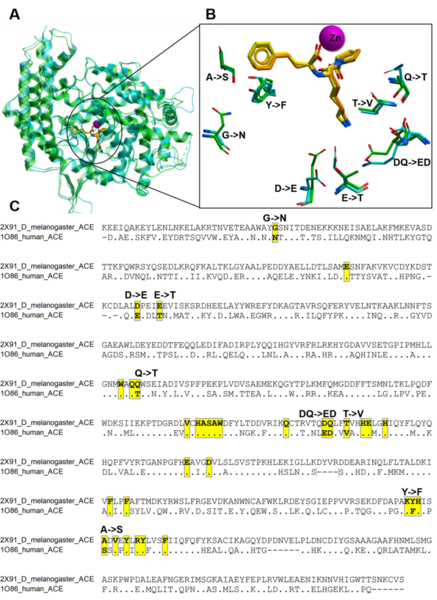
This study examines the possibility of utilizing proteins from Drosophila melanogaster in early drug discovery. Structural and sequence analysis of five diverse Drosophila proteins and its human homologs were conducted. Drosophila proteins with high conservation of amino acids at functionally significant positions are better candidates for use as human surrogate in drug discovery efforts.

Read More...

Multi-omic analysis identifies mitochondrial dysfunction as a key feature of hypertrophic cardiomyopathy

Velu et al. | Sep 26, 2026

Multi-omic analysis identifies mitochondrial dysfunction as a key feature of hypertrophic cardiomyopathy

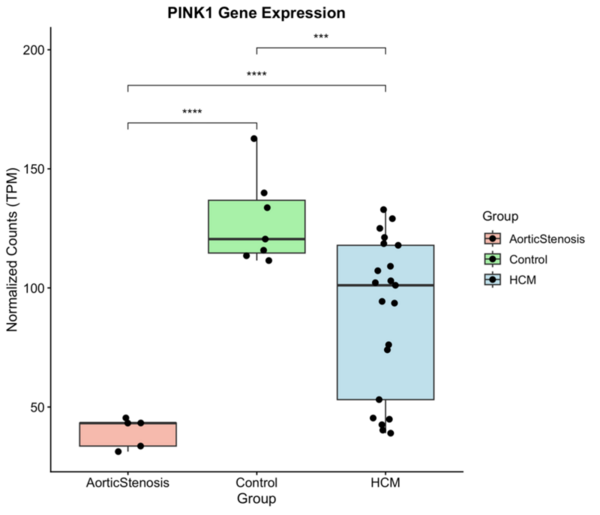
This study used multi-omic analysis to investigate gene expression and DNA methylation patterns associated with hypertrophic cardiomyopathy (HCM). The researchers found significant downregulation of mitochondrial and energy-related pathways, highlighting mitochondrial dysfunction—particularly altered PINK1 expression—as a potential contributor and therapeutic target in HCM.

Read More...

Simulating single versus cocktail antibiotic effects on the human gut microbiome

Patel et al. | Jul 19, 2026

Simulating single versus cocktail antibiotic effects on the human gut microbiome
Image credit: Volodymyr Hryshchenko

This study, uses SimulATe to model changes in microbial diversity and community structure upon administering a cocktail of antibiotics versus a single antibiotic. The authors hypothesized that antibiotic cocktails, particularly those combining broad-spectrum drugs like tetracyclines and trimethoprims, would cause a more significant reduction in gut microbial diversity compared to single-drug treatments. The findings confirmed a greater loss of microbial diversity with combinatorial treatments compared to single-drug treatments. While individual antibiotics dynamically reshaped the surviving species of the microbiome, antibiotic cocktails frequently cleared all species of the gut microbiome.

Read More...