The authors looked at different factors that influence specific gravity in beverages, including sweetener used, caffeine, carbonation, and sodium.
Read More...Energy beverages and sugar: How sweetener type dictates specific gravity
The authors looked at different factors that influence specific gravity in beverages, including sweetener used, caffeine, carbonation, and sodium.
Read More...Predictive modeling of cardiovascular disease using exercise-based electrocardiography
The authors looked factors that could lead to earlier diagnosis of cardiovascular disease thereby improving patient outcomes. They found that advances in imaging and electrocardiography contribute to earlier detection of cardiovascular disease.
Read More...Lung cancer AI-based diagnosis through multi-modal integration of clinical and imaging data
Lung cancer is highly fatal, largely due to late diagnoses, but early detection can greatly improve survival. This study developed three models to enhance early diagnosis: an MLP for clinical data, a CNN for imaging data, and a hybrid model combining both.
Read More...The effect of music on teenagers in combatting stress and improving performance
Here, the researchers investigated how exposure to active versus passive music affects a teenager's ability to perform a challenging task, namely a Sudoku puzzle, under stressful conditions. Following testing 75 high school teenagers split into two group, the researchers found that singing in a choir (active music) yielded a greater improvement in performance compared to passive listening for brief time periods.
Read More...Development of selective RAC1/KLRN inhibitors
Kalirin is a guanine nucleotide exchange factor (GEF) for the GTPase RAC1, linked to schizophrenia and Alzheimer’s Disease. It plays a crucial role in synaptic plasticity by regulating dendritic spine formation and actin cytoskeleton remodeling, which are essential for creating new synapses. Authors developed two novel compounds targeting kalirin, confirming that predictive modeling can indicate biological activity.
Read More...Risk factors contributing to Pennsylvania childhood asthma
Asthma is one of the most prevalent chronic conditions in the United States. But not all people experience asthma equally, with factors like healthcare access and environmental pollution impacting whether children are likely to be hospitalized for asthma's effects. Li, Li, and Ruffolo investigate what demographic and environmental factors are predictive of childhood asthma hospitalization rates across Pennsylvania.
Read More...Stress and depression among individuals with low socioeconomic status during economic inflation
The authors use the Census Household Pulse Survey issued by the US Census Bureau to examine the prevalence of stress and depression among people across socioeconomic statuses.
Read More...Percentages are a better format for conveying medical risk than frequencies
It can be challenging for the general public to understand data on medical risk. Weseley-Jones and Mordechai tackle this issue by conducting a survey to assess people's skill and comfort with understanding medical risk information in percentage and frequency formats.
Read More...Public Perception of the Effects of Artificial Sweeteners on Diabetes Based on YouTube Comments
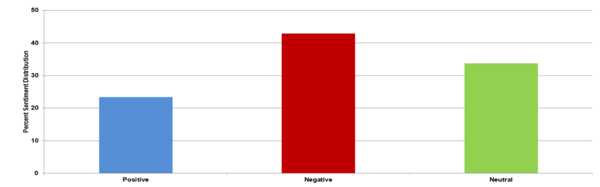
Artificial sweeteners are rising in popularity, in part due to the influence of social media platforms like YouTube. However, YouTube commenters often repeat information about artificial sweeteners that is not supported by scientific research. To investigate how misinformation about sweeteners spreads through social media, Kim and Yoo conduct a content analysis of YouTube comments to reveal how many comments repeat misinformation about artificial sweeteners' effects.
Read More...Investigating the impact of electrocardiography biofeedback on POTS symptom management
The authors test electrocardiography biofeedback as a treatment for individuals with Postural Orthostatic Tachycardia Syndrome.
Read More...