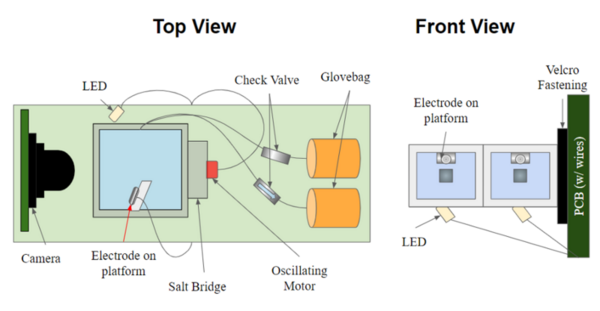
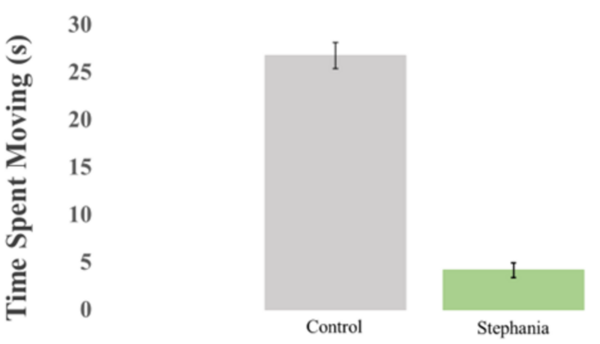
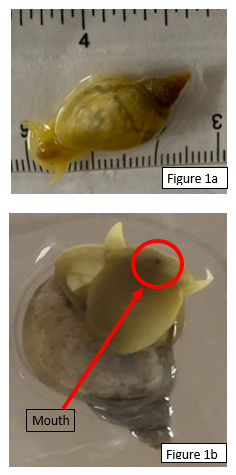
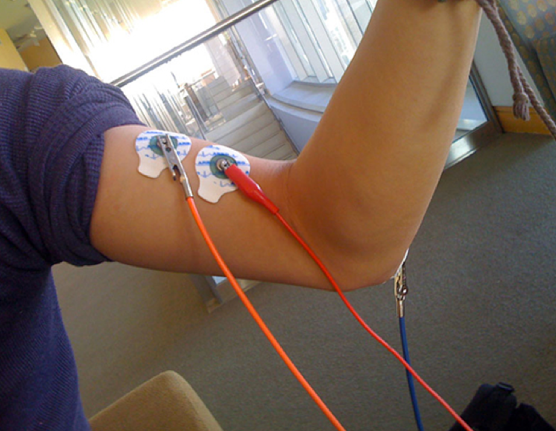
In this study, the authors test whether excess copper exposure has neurobehavioral effects on Hirudo verbana leeches.
Read More...Browse Articles
Student work preferences: Typing or handwriting in the digital era
The authors survey high school students regarding preferences for taking notes by hand versus typing.
Read More...A Novel Model to Predict a Book's Success in the New York Times Best Sellers List
In this article, the authors identify the characteristics that make a book a best-seller. Knowing what, besides content, predicts the success of a book can help publishers maximize the success of their print products.
Read More...The effect of patient perception of physician on patient compliance
The authors investigated whether the physician-patient relationship affected patient perceptions and treatment adherence.
Read More...Investigating consumers’ motivations for luxury brand consumption and its impact on mental health
The luxury market has grown through digital marketing, with many brands benefiting from exclusivity, which limits product availability. While exclusivity boosts sales, it may negatively affect consumers' mental health. This study of 129 respondents explored the main motivation for purchasing luxury goods and connection to mental health.
Read More...The effect of adverse childhood experiences on e-cigarette usage in people aged 18–30 in the US
Recently, e-cigarette usage has been increasing rapidly. Previous research has found that adverse
childhood experiences (ACEs) are correlated to cigarette usage. However, there is limited data exploring if ACEs affect vaping. Therefore, in this work, we investigated the effects of ACEs on e-cigarette usage and hypothesize that witnessing vaping in the house and facing ACEs would increase e-cigarette usage while education on the dangers of vaping would decrease e-cigarette usage. We found that different types of ACEs had different correlations with e-cigarette usage and that education on the dangers of vaping had no effect on e-cigarette usage.