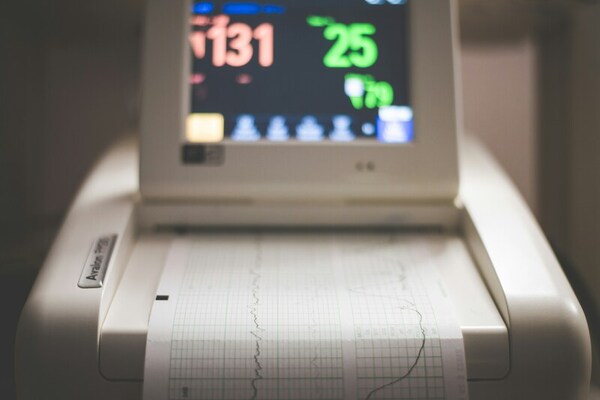
This study shows the efficacy of leveraging transfer learning, specifically from residual networks, to detect CVDs and possible signs of CVDs. The findings indicate that leveraging transfer learning from residual networks alongside medical professionals is a highly promising approach for CVD detection and diagnosis, warranting further investigation.
Here the authors investigated the relationship between offensive play-calling styles and scoring success within the NFL's red zone by analyzing play-by-play data and expected points metrics. Their findings suggest that a conservative approach to play design and execution is more strongly associated with maximizing efficiency and point-value gains than aggressive strategies.
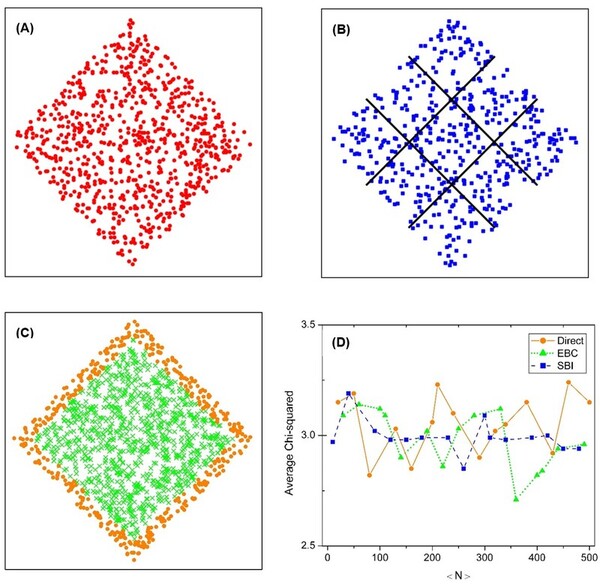
The causal set theory (CST) is a theory of the small-scale structure of spacetime, which provides a discrete approach to describing quantum gravity. Studying the properties of causal sets requires methods for constructing appropriate causal sets. The most commonly used approach is to perform a random sprinkling. However, there are different methods for sprinkling, and it is not clear how each commonly used method affects the results. We hypothesized that the methods would be statistically equivalent, but that some noticeable differences might occur, such as a more uniform distribution for the sub-interval sprinkling method compared to the direct sprinkling and edge bias compensation methods. We aimed to assess this hypothesis by analyzing the results of three different methods of sprinkling. For our analysis, we calculated distributions of the longest path length, interval size, and paths of various lengths for each sprinkling method. We found that the methods were statistically similar. However, one of the methods, sub-interval sprinkling, showed some slight advantages over the other two. These findings can serve as a point of reference for active researchers in the field of causal set theory, and is applicable to other research fields working with similar graphs.
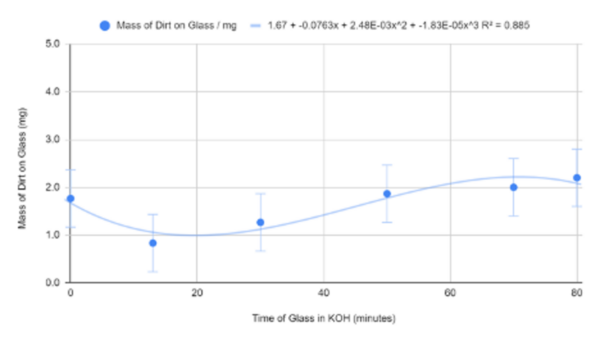
Dust accumulation on solar panels can reduce electricity output by 20–50%, posing a major challenge for solar energy collection. Instead of altering panel design, we explored a simpler approach by modifying surface energy through nanotexturing, predicting that hydrophobic surfaces would repel both water and dust. This study found that treating glass and silicone surfaces with potassium hydroxide (KOH) for 13 and 10 minutes, respectively, created optimal nanotextures (445 nm for glass, 205 nm for silicone), significantly reducing dirt accumulation and improving solar energy capture.
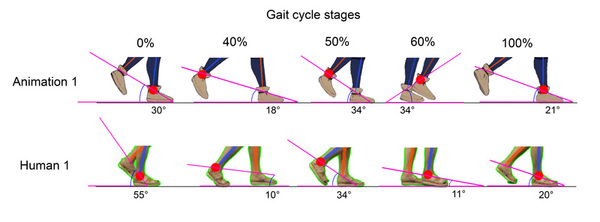
In their attempt to evoke a greater emotional connection with viewers, animators have strived to replicate human movements in their animations. However, animation movements still appear distinct from human movements. With a focus on walking, we hypothesized that animations, unaffected by real external forces (e.g. gravity), would move with a universally distinct, gliding gait that is discernible from humans.
Here the authors conducted a photometric analysis of Supernova (SN) 20234jvj. Through generating a light curve, they determined SN 2023jvj to be a Type Ia supernova located approximately 1.246e8 parasecs away from Earth.
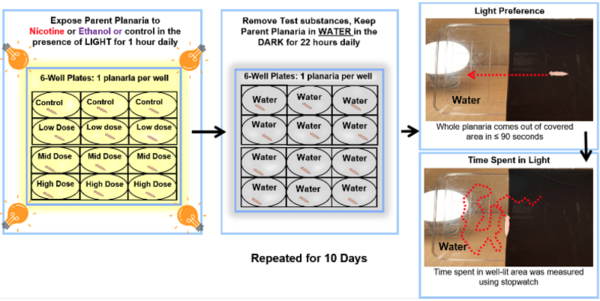
The global mental health crisis has led to increased substance abuse among youth. Prescription drug abuse causes approximately 115 American deaths daily. Understanding intergenerational transmission of substance abuse is complex due to lengthy human studies and socioeconomic variables. Recent FDA guidelines mandate abuse liability testing for neuro-active drugs but overlook intergenerational transfer. Brown planaria, due to their nervous system development similarities with mammals, offer a novel model.
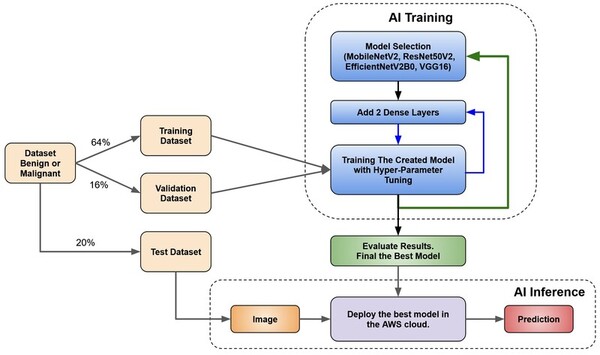
Skin cancer is a common and potentially deadly form of cancer. This study’s purpose was to develop an automated approach for early detection for skin cancer. We hypothesized that convolutional neural network-based models using transfer learning could accurately differentiate between benign and malignant moles using natural images of human skin.
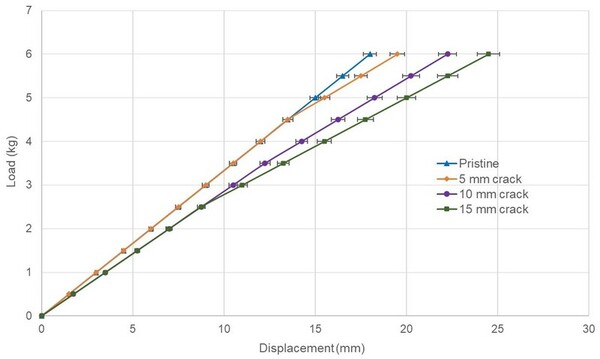
In this study the authors look at elastic modulus and stiffness of steel rules with vary lengths of cracks. They found that cracks decreased the overall elastic modulus and bending stiffness of the ruler. This work has applications to structural engineering and the design of items such as airplanes and bridges.