FBS is an important component in in vitro cell culture work, helping to provide needed nutrients to cells to grow. The authors look at the ability of an alternative to FBS to support cell growth in culture.
Read More...In vitro characterization of umilical cord-dervied MSC's supplemented with PLAY®:A potential FBS substitute
FBS is an important component in in vitro cell culture work, helping to provide needed nutrients to cells to grow. The authors look at the ability of an alternative to FBS to support cell growth in culture.
Read More...A novel CNN-based machine learning approach to identify skin cancers
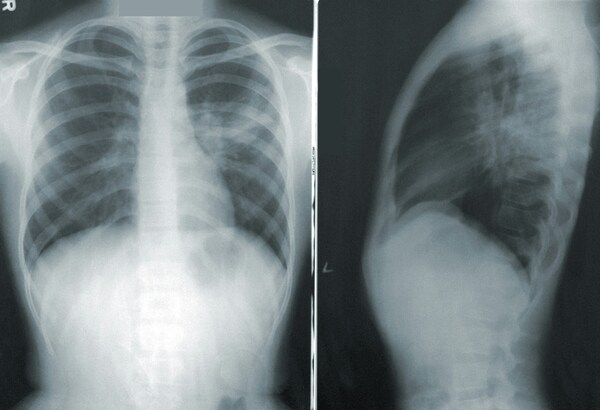
In this study, the authors developed and assessed the accuracy of a machine learning algorithm to identify skin cancers using images of biopsies.
Read More...Development of a novel machine learning platform to identify structural trends among NNRTI HIV-1 reverse transcriptase inhibitors
With advancements in machine learning a large data scale, high throughput virtual screening has become a more attractive method for screening drug candidates. This study compared the accuracy of molecular descriptors from two cheminformatics Mordred and PaDEL, software libraries, in characterizing the chemo-structural composition of 53 compounds from the non-nucleoside reverse transcriptase inhibitors (NNRTI) class. The classification model built with the filtered set of descriptors from Mordred was superior to the model using PaDEL descriptors. This approach can accelerate the identification of hit compounds and improve the efficiency of the drug discovery pipeline.
Read More...Expressional correlations between SERPINA6 and pancreatic ductal adenocarcinoma-linked genes
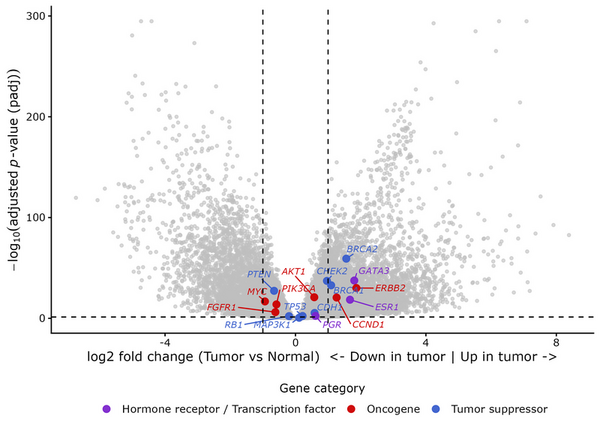
Pancreatic ductal adenocarcinoma (PDAC) is the most common form of pancreatic cancer, with early diagnosis and treatment challenges. When any of the genes KRAS, SMAD4, TP53, and BRCA2 are heavily mutated, they correlate with PDAC progression. Cellular stress, partly regulated by the gene SERPINA6, also correlates with PDAC progression. When SERPINA6 is highly expressed, corticosteroid-binding globulin inhibits the effect of the stress hormone cortisol. In this study, the authors explored whether there is an inverse correlation between the expression of SERPINA6 and PDAC-linked genes.
Read More...Similarity Graph-Based Semi-supervised Methods for Multiclass Data Classification
The purpose of the study was to determine whether graph-based machine learning techniques, which have increased prevalence in the last few years, can accurately classify data into one of many clusters, while requiring less labeled training data and parameter tuning as opposed to traditional machine learning algorithms. The results determined that the accuracy of graph-based and traditional classification algorithms depends directly upon the number of features of each dataset, the number of classes in each dataset, and the amount of labeled training data used.
Read More...Microbes Cultured from Garden Soil Positively Impact Seed Germination and Plant Growth
In this study, the authors investigate whether the addition of microbes from native soil enhanced the seed germination and growth of mung beans, pumpkins, and pea flower plants.
Read More...Caffeine: Does Drinking Coffee Alter Performance and RPE Levels of a Teenage Athlete in both Aerobic and Anaerobic Exercises?
Caffeine is widely consumed across the globe and is most appreciated for its effects as a stimulant. Here the authors investigate whether caffeine consumption affects performance during endurance or strength training. Their results suggest that caffeine consumption enhances endurance training, but not strength training.
Read More...Antibacterial Activity and Absorption of Paper Towels Made From Fruit Peel Extracts
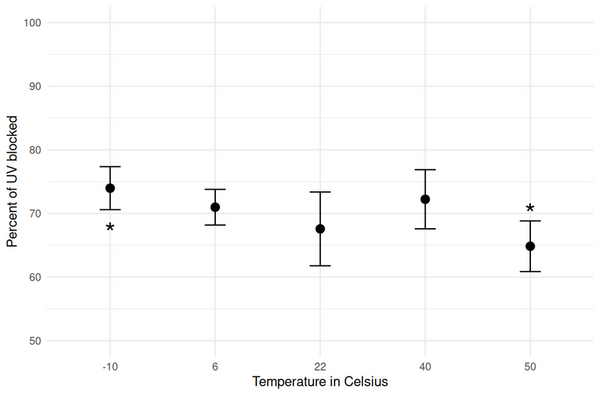
Unsatisfactory hand hygiene leads to the spread of bacterial infections from person to person. To address this problem, the authors developed and tested the PeelTowel, an antibacterial and water-absorbing towel made of a combination of fruit peels and recycled paper waste.
Read More...Expression of Anti-Neurodegeneration Genes in Mutant Caenorhabditis elegans Using CRISPR-Cas9 Improves Behavior Associated With Alzheimer’s Disease
Alzheimer's disease is one of the leading causes of death in the United States and is characterized by neurodegeneration. Mishra et al. wanted to understand the role of two transport proteins, LRP1 and AQP4, in the neurodegeneration of Alzheimer's disease. They used a model organism for Alzheimer's disease, the nematode C. elegans, and genetic engineering to look at whether they would see a decrease in neurodegeneration if they increased the amount of these two transport proteins. They found that the best improvements were caused by increased expression of both transport proteins, with smaller improvements when just one of the proteins is overly expressed. Their work has important implications for how we understand neurodegeneration in Alzheimer's disease and what we can do to slow or prevent the progression of the disease.
Read More...Developing a Portable, Reusable, and Inexpensive Magnesium-Air Fuel Cell
One of the greatest challenges we face today is the sustainable production, storage, and distribution of electrical power. One emerging technology with great promise in this area is that of metal-air fuel cells—a long-term and reusable electricity storage system made from a reactive metal anode and a saline solution. In this study the authors tested several different types of metal to determine which was the most suitable for this application. They found that a fuel cell with a magnesium anode was superior to fuel cells made from aluminum or zinc, producing a voltage and current sufficient for real-world applications such as charging a mobile phone.
Read More...