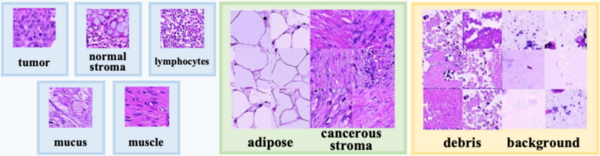
The authors develop a machine learning method to reduce misclassification of objects in safety-critical applications such as medical diagnosis.
Read More...Mitigating open-set misclassification in a colorectal cancer detecting neural network
The authors develop a machine learning method to reduce misclassification of objects in safety-critical applications such as medical diagnosis.
Read More...The impact of genetic analysis on the early detection of colorectal cancer
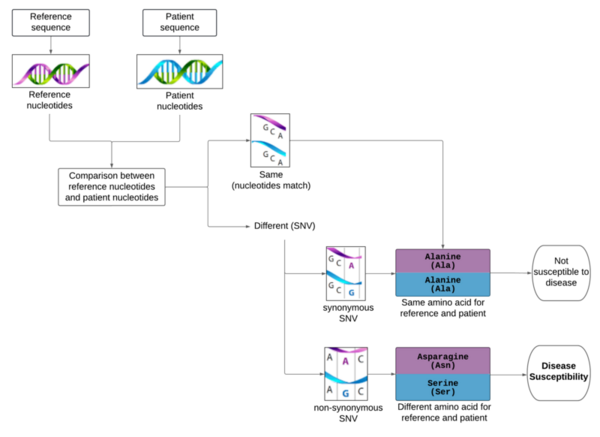
Although the 5-year survival rate for colorectal cancer is below 10%, it increases to greater than 90% if it is diagnosed early. We hypothesized from our research that analyzing non-synonymous single nucleotide variants (SNVs) in a patient's exome sequence would be an indicator for high genetic risk of developing colorectal cancer.
Read More...The design of Benzimidazole derivatives to bind to GDP-bound K-RAS for targeted cancer therapy
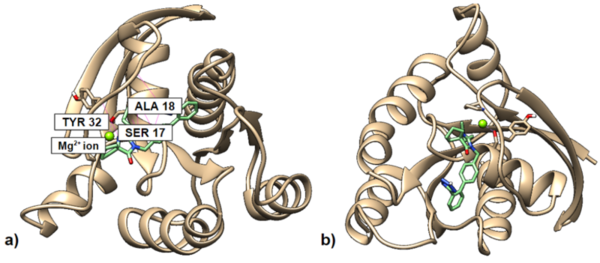
In this study, the authors looked at a proto-oncogene, KRAS, and searched for molecules that are predicted to be able to bind to the inactive form of KRAS. They found that a modified version of Irbesartan, a derivative of benzimidazole, showed the best binding to inactive KRAS.
Read More...High-throughput virtual screening of novel dihydropyrimidine monastrol analogs reveals robust structure-activity relationship to kinesin Eg5 binding thermodynamics
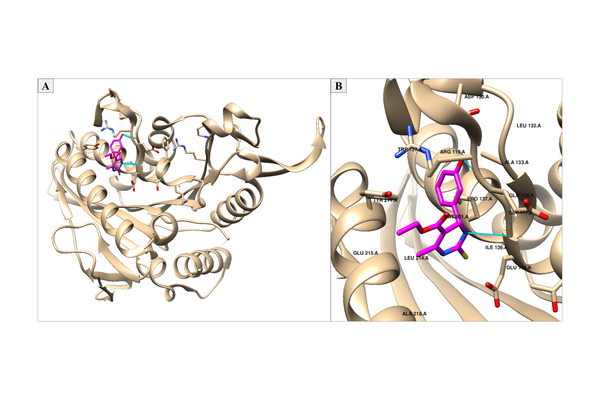
As cancer continues to take millions of lives worldwide, the need to create effective therapeutics for the disease persists. The kinesin Eg5 assembly motor protein is a promising target for cancer therapeutics as inhibition of this protein leads to cell cycle arrest. Monastrol, a small dihydropyrimidine-based molecule capable of inhibiting the kinesin Eg5 function, has attracted the attention of medicinal chemists with its potency, affinity, and specificity to the highly targeted loop5/α2/α3 allosteric binding pocket. In this work, we employed high-throughput virtual screening (HTVS) to identify potential small molecule Eg5 inhibitors from a designed set of novel dihydropyrimidine analogs structurally similar to monastrol.
Read More...QuitPuff: A Simple Method Using Saliva to Assess the Risk of Oral Pre-Cancerous Lesions and Oral Squamous Cell Carcinoma in Chronic Smokers
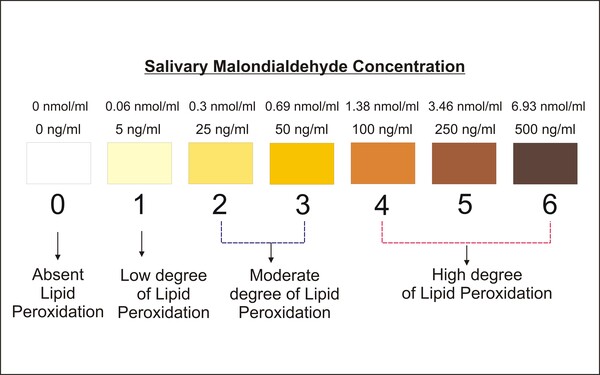
Smoking generates free radicals and reactive oxygen species which induce cell damage and lipid peroxidation. This is linked to the development of oral cancer in chronic smokers. The authors of this study developed Quitpuff, simple colorimetric test to measure the extent of lipid peroxidation in saliva samples. This test detected salivary lipid peroxidation with 96% accuracy in test subjects and could serve as an inexpensive, non-invasive test for smokers to measure degree of salivary lipid peroxidation and potential risk of oral cancer.
Read More...Contrasting role of ASCC3 and ALKBH3 in determining genomic alterations in Glioblastoma Multiforme

Glioblastoma Multiforme (GBM) is the most malignant brain tumor with the highest fraction of genome alterations (FGA), manifesting poor disease-free status (DFS) and overall survival (OS). We explored The Cancer Genome Atlas (TCGA) and cBioportal public dataset- Firehose legacy GBM to study DNA repair genes Activating Signal Cointegrator 1 Complex Subunit 3 (ASCC3) and Alpha-Ketoglutarate-Dependent Dioxygenase AlkB Homolog 3 (ALKBH3). To test our hypothesis that these genes have correlations with FGA and can better determine prognosis and survival, we sorted the dataset to arrive at 254 patients. Analyzing using RStudio, both ASCC3 and ALKBH3 demonstrated hypomethylation in 82.3% and 61.8% of patients, respectively. Interestingly, low mRNA expression was observed in both these genes. We further conducted correlation tests between both methylation and mRNA expression of these genes with FGA. ASCC3 was found to be negatively correlated, while ALKBH3 was found to be positively correlated, potentially indicating contrasting dysregulation of these two genes. Prognostic analysis showed the following: ASCC3 hypomethylation is significant with DFS and high ASCC3 mRNA expression to be significant with OS, demonstrating ASCC3’s potential as disease prediction marker.
Read More...How artificial intelligence deep learning models can be used to accurately determine lung cancers
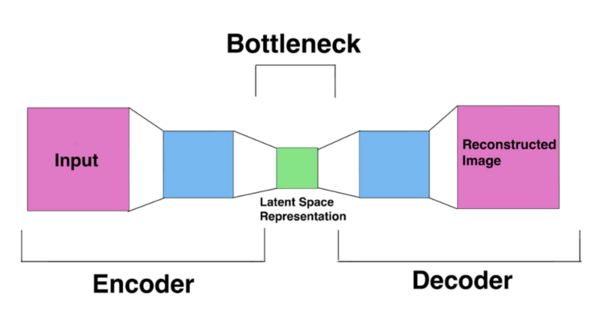
The authors looked at the ability of different deep learning models to predict the presence of lung cancer from chest CT scans. They found that a pre-trained CNN model performed better than an autoencoder model.
Read More...A Retrospective Statistical Analysis of Second Primary Cancers in the Delmarva Peninsula, U.S.A.

A significant percentage of cancer survivors develop a second primary cancer. Using data of deceased patients provided by the Peninsula Regional Medical Center, Li and Holdai conducted a retrospective statistical analysis to investigate whether the type of the first cancer affects the occurrence time and type of the second primary cancer.
Read More...Peptidomimetics Targeting the Polo-box Domain of Polo-like Kinase 1
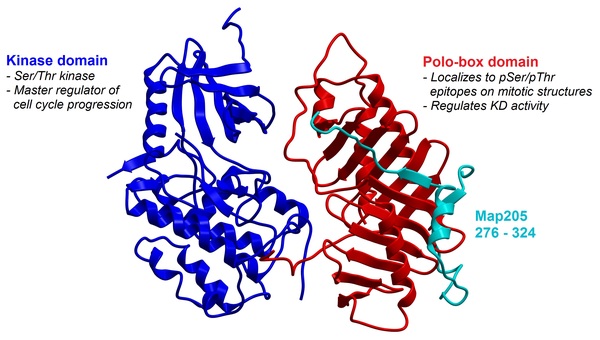
Polo-like kinase 1 (Plk1) is a master regulator of mitosis, initiating key steps of cell cycle regulation, and its overexpression is associated with certain types of cancer. In this study, the authors carefully designed peptides that were able to bind to Plk1 at a location that is important for its proper localization and function. Future studies could further develop these peptides to selectively target Plk1 in cancer cells and induce mitotic arrest.
Read More...Correlation between trihalomethane concentrations and various cancers in Massachusetts counties
.png)
The authors assess incidence and mortality rates of two cancer types in relation to trihalomethane pollutant concentrations in drinking water.
Read More...