Browse Articles

Albuterol extends lifespan of Caenorhabditis elegans

Belkin et al. | Oct 19, 2021

Albuterol extends lifespan of <i>Caenorhabditis elegans</i>

The objective of this experiment is to determine if the medication albuterol has a positive impact on the lifespan of C. elegans. We hypothesize that if albuterol is added to the diet of C. elegans, then the lifespan of C. elegans will increase. Albuterol increased the mean lifespan of C. elegans by 4.31 ± 0.13 days, compared to the control group and increased the outer range of the C. elegans lifespan. The method of which this occurred is still unknown.

Read More...
The Effect of Different Fructose Diets on the Lifespan of C. elegans

Chen et al. | May 10, 2020

The Effect of Different Fructose Diets on the Lifespan of <em>C. elegans</em>

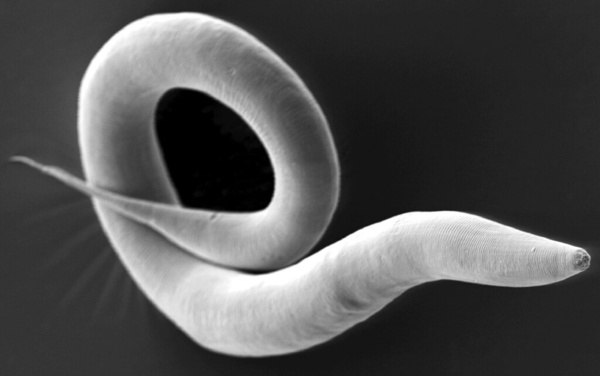
High-fructose diets consumed widely in modern societies predisposes to metabolic diseases such as diabetes. Using the worm C. elegans, the authors of this study investigated the effect of fructose on the worm's survival rates. They found that worms fed 15% fructose had a lower life expectancy than those on a fructose-free diet. These results suggest that, like in humans, fructose has a negative effect on worm survival, which makes them an easy, attractive model to study the effects of fructose on health.

Read More...

A Novel Alzheimer's Disease Therapeutic Model: Attenuating Hyperphosphorylated Tau and Amyloid β (Aβ) Aggregates by Characterizing Antioxidative, Anti-Inflammatory, and Neuroprotective Properties of Natural Extracts

Pokkunuri et al. | Jul 25, 2022

A Novel Alzheimer's Disease Therapeutic Model: Attenuating Hyperphosphorylated Tau and Amyloid β (Aβ) Aggregates by Characterizing Antioxidative, Anti-Inflammatory, and Neuroprotective Properties of Natural Extracts

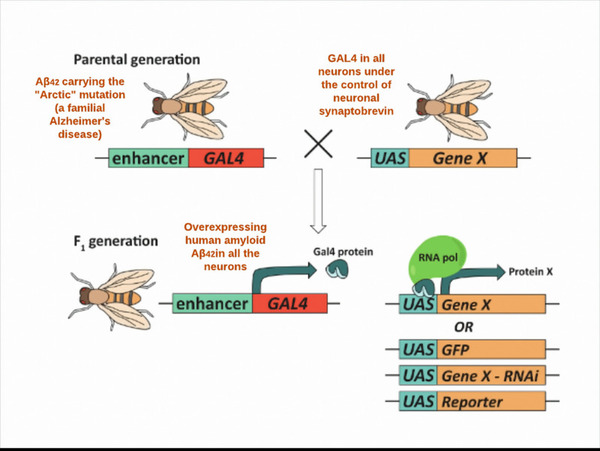
Oxidative damage and neuro-inflammation were the key pathways implicated in the pathogenesis of Alzheimer’s disease. In this study, 30 natural extracts from plant roots and leaves with extensive anti-inflammatory and anti-oxidative properties were consumed by Drosophila melanogaster. Several assays were performed to evaluate the efficacy of these combinational extracts on delaying the progression of Alzheimer’s disease. The experimental group showed increased motor activity, improved associative memory, and decreased lifespan decline relative to the control group.

Read More...

The Effect of Ultraviolet Radiation and the Antioxidant Curcumin on the Longevity, Fertility, and Physical Structure of Drosophila melanogaster: Can We Defend Our DNA?

Lateef et al. | May 18, 2019

The Effect of Ultraviolet Radiation and the Antioxidant Curcumin on the Longevity, Fertility, and Physical Structure of <em>Drosophila melanogaster</em>: Can We Defend Our DNA?

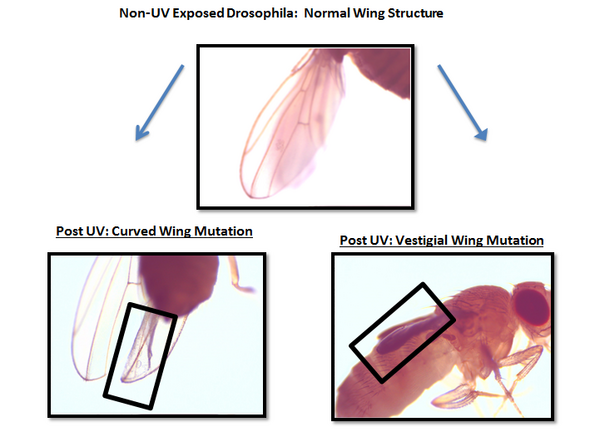
Ultraviolet (UV) radiation is known to alter DNA structure and impair cellular function in all living organisms. In this study, Lateef et al examine the effects of UV radiation to determine whether antioxidant-enriched nutrition can combat the potential deleterious effects of UV radiation on Drosophila melanogaster. They found that UVB (320nm) radiation caused a 59% decrease in the Drosophila lifespan and mutagenic effects on flies' physical appearance, but did not significantly affect fertility. Curcumin significantly prolonged lifespan and enhanced fertility for both UV- and non-UV-exposed flies. The research demonstrates the positive potential of natural antioxidants as weapons against radiation-induced diseases including cancer.

Read More...

PID and fuzzy logic optimization of the pitch control of wind turbines

Zhou et al. | Jan 28, 2025

PID and fuzzy logic optimization of the pitch control of wind turbines
Image credit: The authors

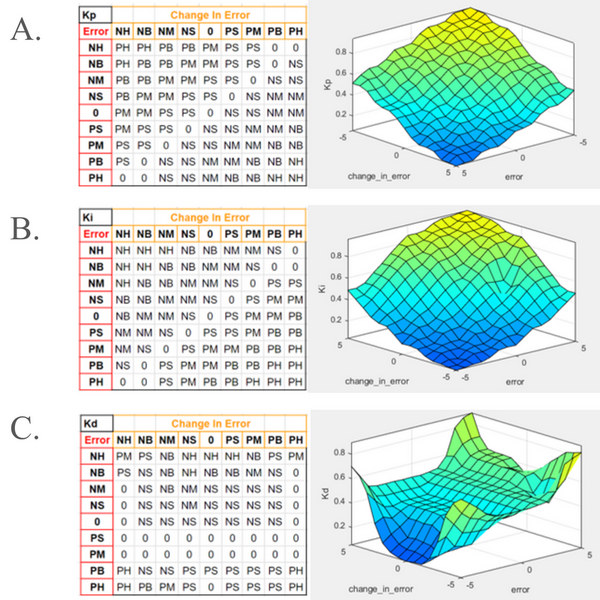
Wind turbines are a valuable source of renewable energy, but face challenges related to unpredictable wind speed. The turbine must be able to control its angle to catch enough wind to generate electricity, while avoiding excess wind that may damage the turbine. Zhou and Wang explore different types of smart turbine controllers to see which appears optimal for electricity generation.

Read More...

Comparing the Effects of Different Natural Products on Reducing Tumor Growth in a Drosophila Model

Ganesh et al. | May 31, 2020

Comparing the Effects of Different Natural Products on Reducing Tumor Growth in a <i>Drosophila</i> Model

In this work, the authors compared the effects of common natural products, including sesame, cinnamon, garlic, moringa and turmeric on tumor growth in Drosophila eyes. The data showed that these natural products cannot be used to reduce tumor growth once it has completely formed. However, the data suggested that some natural products can reduce cancer cell growth when tumors are treated early.

Read More...

The Effects of Post-Consumer Waste Polystyrene on the Rate of Mealworm Consumption

Green et al. | Nov 29, 2018

The Effects of Post-Consumer Waste Polystyrene on the Rate of Mealworm Consumption

In a world where plastic waste accumulation is threatening both land and sea life, Green et al. investigate the ability of mealworms to breakdown polystyrene, a non-recyclable form of petrochemical-based polymer we use in our daily lives. They confirm that these organisms, can degrade various forms of polystyrene, even after it has been put to use in our daily lives. Although the efficiency of the degradation process still requires improvement, the good news is, the worms are tiny and themselves are biodegradable, so we can use plenty of them without worrying about space and how to get rid of them. This is very promising and certainly good news for the planet.

Read More...