Browse Articles

The effect of activation function choice on the performance of convolutional neural networks

Wang et al. | Sep 15, 2023

The effect of activation function choice on the performance of convolutional neural networks
Image credit: Tara Winstead

With the advance of technology, artificial intelligence (AI) is now applied widely in society. In the study of AI, machine learning (ML) is a subfield in which a machine learns to be better at performing certain tasks through experience. This work focuses on the convolutional neural network (CNN), a framework of ML, applied to an image classification task. Specifically, we analyzed the performance of the CNN as the type of neural activation function changes.

Read More...

Advancing pediatric cancer predictions through generative artificial intelligence and machine learning

Yadav et al. | Dec 21, 2024

Advancing pediatric cancer predictions through generative artificial intelligence and machine learning

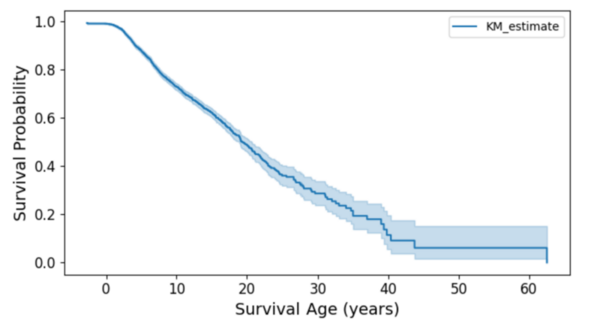
Pediatric cancers pose unique challenges due to their rarity and distinct biological factors, emphasizing the need for accurate survival prediction to guide treatment. This study integrated generative AI and machine learning, including synthetic data, to analyze 9,184 pediatric cancer patients, identifying age at diagnosis, cancer types, and anatomical sites as significant survival predictors. The findings highlight the potential of AI-driven approaches to improve survival prediction and inform personalized treatment strategies, with broader implications for innovative healthcare applications.

Read More...

Mitigating skin color bias in dermatology AI using CycleGAN-based data augmentation

Kannan et al. | Jun 24, 2026

Mitigating skin color bias in dermatology AI using CycleGAN-based data augmentation
Image credit: Kannan and Ramasamy

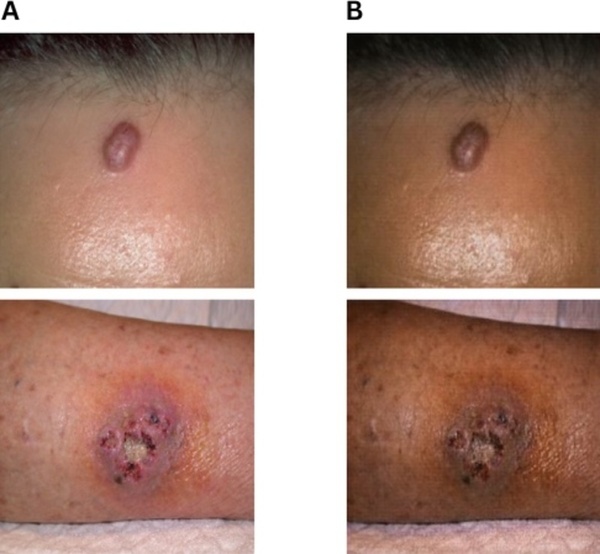
This study investigates skin tone bias in artificial intelligence models used for dermatological disease classification and evaluates a CycleGAN-based data augmentation approach to improve diagnostic performance on darker skin types. We generated synthetic dark-skinned images to enhance dataset diversity and compared model performance before and after augmentation. The results demonstrate that augmentation with synthetic dermatological images can help reduce disparities in diagnostic performance across skin tones, highlighting a practical strategy for improving fairness in dermatology AI systems.

Read More...