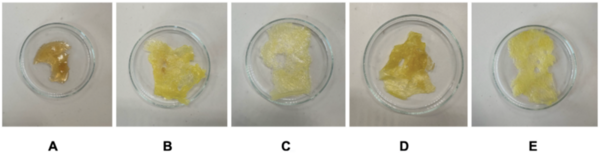
The authors tested the impact of various additives on biopolymer degradation.
Read More...A comparison of starches and plasticizers for biopolymer synthesis and degradation
Effect of environment factors on the expression of soluble PDE8A1 in E. coli
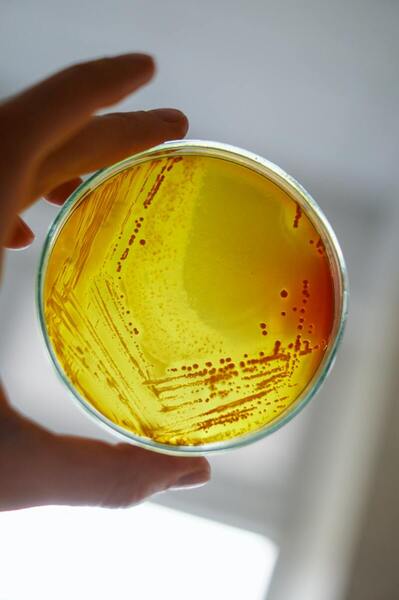
PDE8, a type of phosphodiesterase (PDE), is proven to be crucial in various cellular activities and physiological activities by influencing second messenger systems. It is involved in a wide range of diseases, including Alzheimer’s disease and various heart diseases. However, there is limited information about PDE8 selective inhibitors. This work aimed to improve the solubility and yield of PDE8 in the supernatant by exploring suitable culture conditions, including temperatures and different additives.
Read More...The effect of wild orange essential oil on ascorbic acid decay in freshly squeezed orange juice
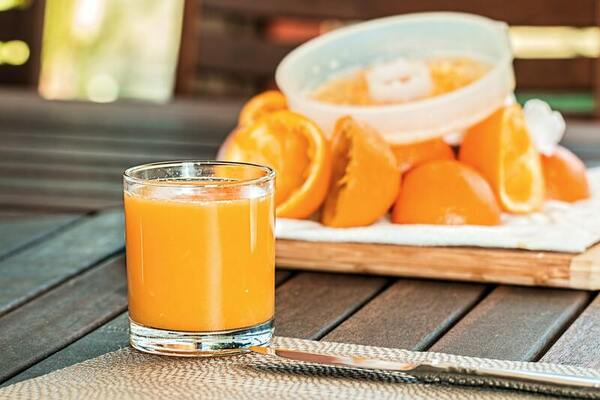
The goal of this project was to see if the addition of wild orange essential oil to freshly squeezed orange juice would help to slow down the decay of ascorbic acid when exposed to various temperatures, allowing vital nutrients to be maintained and providing a natural alternative to the chemical additives in use in industry today. The authors hypothesized that the addition of wild orange essential oil to freshly squeezed orange juice would slow down the rate of oxidation when exposed to various temperatures, reducing ascorbic acid decay. On average, wild orange EO slowed down ascorbic acid decay in freshly squeezed orange juice by 15% at the three highest temperatures tested.
Read More...The effect of common food preservatives on the heart rate of Daphnia magna
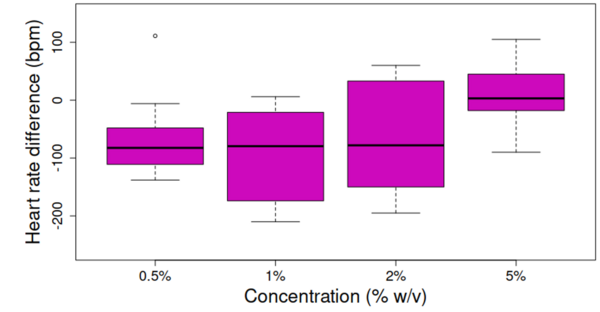
The authors test the effects of common food industry preservatives on the heart rate of the freshwater crustacean Daphnia magna.
Read More...Utilizing a Wastewater-Based Medium for Engineered Saccharomyces cerevisiae for the Biological Production of Fatty Alcohols and Carboxylic Acids to Replace Petrochemicals
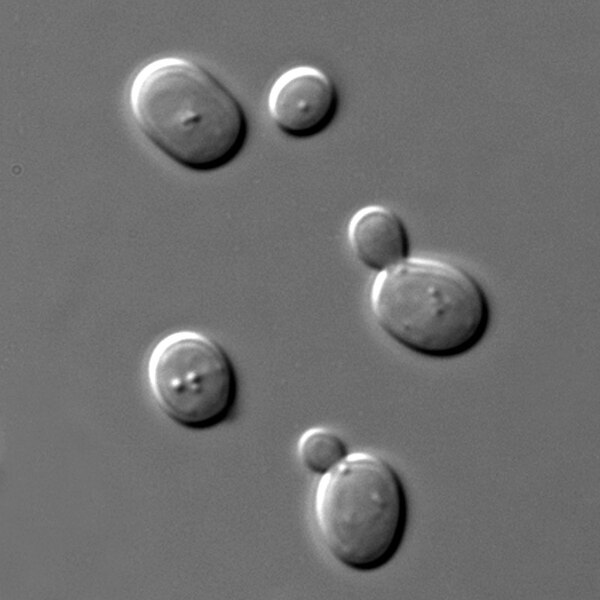
Saccharomyces cerevisiae yeast is used to produce bioethanol, an alternative to fossil fuels. In this study, authors take advantage of this well studied yeast by genetically engineering them to increase fatty acid biosynthesis and culturing in a cost-effective wastewater based medium; potentially providing a sustainable alternative to petrochemicals.
Read More...The Effects of Confinement on the Associative Learning of Gallus gallus domesticus
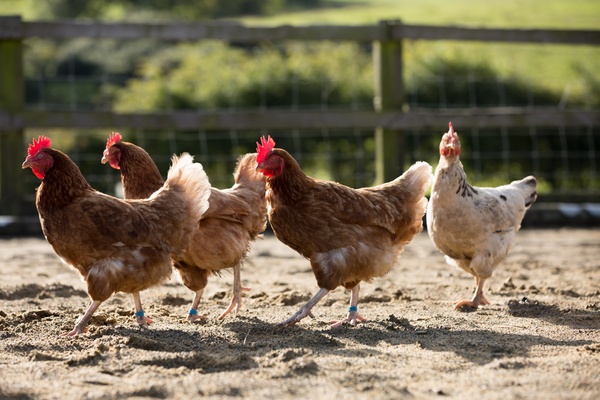
This study aimed to determine if confinement affects associative learning in chickens. The research found that the difference in time lapsed before chickens began to consume cottage cheese before and after confinement was significant. These results suggest that confinement distresses chickens, as it impairs associative learning without inducing confusion.
Read More...Stereolithography 3D-printed stents with silica and zirconia nanoparticle reinforcement for intracranial aneurysm treatment
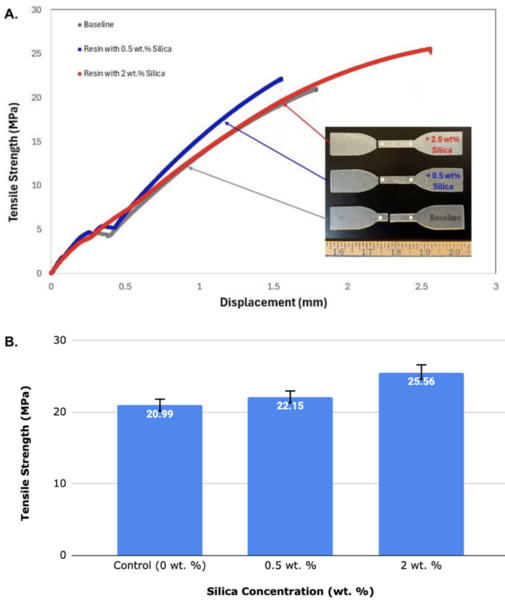
This manuscript focuses on improving the mechanical strength and radiopacity of SLA 3D-printed stent materials by incorporating nanoparticles for their application in flow-diverting stents (FDSs) used to treat aneurysms. The authors used biocompatible, bioresorbable resin formulations with varying concentrations of silica and zirconium to enhance tensile strength and radiopacity, respectively. The authors employed SEM to confirm the incorporation of nanoparticles, and CT imaging was used to assess the effect of zirconium-infused FDSs.
Read More...Comparing the Biodegradability of Petroleum-based Plastic with a Novel, Sustainable Bio-plastic Alternative
.jpg)
In this research, a novel bioplastic inclusive of bamboo tannins and chitosan is selected from more than 60 trial formula variations based on resulting strength, fatigue, and transparency attributes. The biodegradability of the finalized bioplastic is compared to that of conventional polyethylene, in addition to investigating its solubility and water absorbance. This research displays the potential of a legitimate, fully biodegradable plastic alternative to current marketplace bioplastics.
Read More...Identification of a Free Radical Scavenger as an Additive for Lung Transplant Preservation Solution to Inhibit Coagulative Necrosis and Extend Organ Preservation
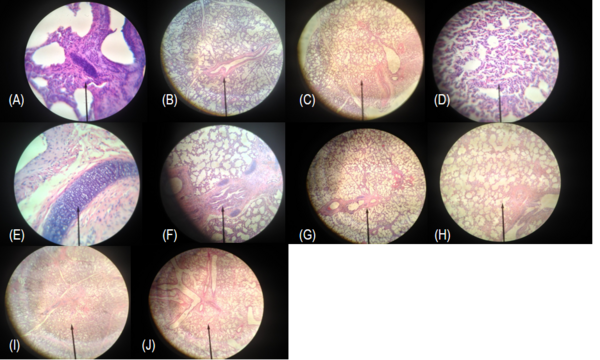
During transfer of organs from a donor to a patient, the organs deteriorate in part due to damage by free radicals. Application of antioxidant solutions could extend organ preservation times. The authors found that vitamin E and butylated hydroxytoluene seemed to be most effective in arresting cell damage of a bovine lung.
Read More...The effects of potassium bromate on the apoptosis and survivability of human cell lines
The authors studied the effect of potassium bromate, a common food additive, to cell viability.
Read More...