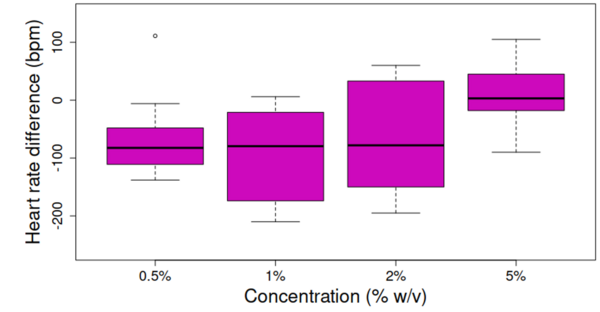
The authors test the effects of common food industry preservatives on the heart rate of the freshwater crustacean Daphnia magna.
Read More...The effect of common food preservatives on the heart rate of Daphnia magna
The authors test the effects of common food industry preservatives on the heart rate of the freshwater crustacean Daphnia magna.
Read More...The effects of potassium bromate on the apoptosis and survivability of human cell lines

The authors studied the effect of potassium bromate, a common food additive, to cell viability.
Read More...Utilizing a Wastewater-Based Medium for Engineered Saccharomyces cerevisiae for the Biological Production of Fatty Alcohols and Carboxylic Acids to Replace Petrochemicals
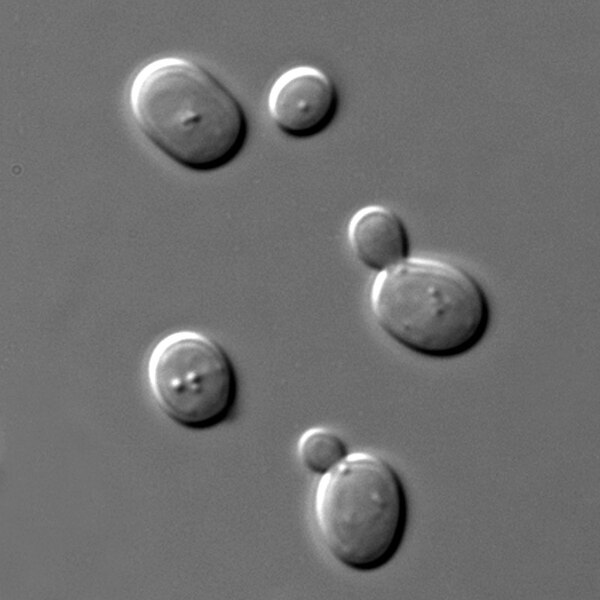
Saccharomyces cerevisiae yeast is used to produce bioethanol, an alternative to fossil fuels. In this study, authors take advantage of this well studied yeast by genetically engineering them to increase fatty acid biosynthesis and culturing in a cost-effective wastewater based medium; potentially providing a sustainable alternative to petrochemicals.
Read More...Pressing filtration for extraction of cabbage dietary fiber and soluble components
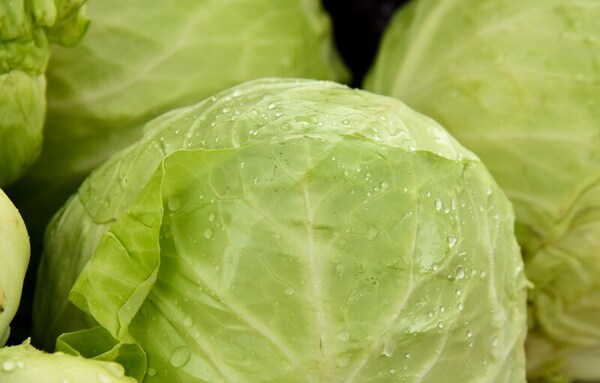
Here the authors introduce pressing filtration as a novel, efficient, and low-energy method for extracting dietary fiber from cabbage, which successfully retains heat-sensitive nutrients and achieves a high fiber yield. The study demonstrates the scalability and economic viability of this technique for commercial use, highlighting that the resulting high-fiber cabbage powder can be incorporated into familiar foods like hamburger buns and beef patties without compromising taste or sensory quality.
Read More...The effect of wild orange essential oil on ascorbic acid decay in freshly squeezed orange juice

The goal of this project was to see if the addition of wild orange essential oil to freshly squeezed orange juice would help to slow down the decay of ascorbic acid when exposed to various temperatures, allowing vital nutrients to be maintained and providing a natural alternative to the chemical additives in use in industry today. The authors hypothesized that the addition of wild orange essential oil to freshly squeezed orange juice would slow down the rate of oxidation when exposed to various temperatures, reducing ascorbic acid decay. On average, wild orange EO slowed down ascorbic acid decay in freshly squeezed orange juice by 15% at the three highest temperatures tested.
Read More...Two Wrongs Could Make a Right: Food Waste Compost Accelerated Polystyrene Consumption of Tenebrio molitor
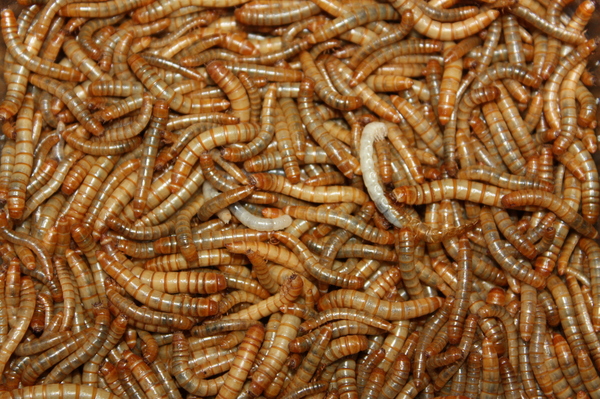
Expanded polystyrene (EPS) is a plastic used to make food containers and packing materials that poses a threat to the environment. Mealworms can degrade EPS, but at a slow rate. Here, researchers assessed the impact of food waste compost and oats on the speed of EPS consumption by mealworms, superworms, and waxworms. A positive correlation was found between food waste compost supplementation and EPS consumption, especially by mealworms, indicating a potential industrial application.
Read More...The effect of common food preservatives on the growth of bacteria
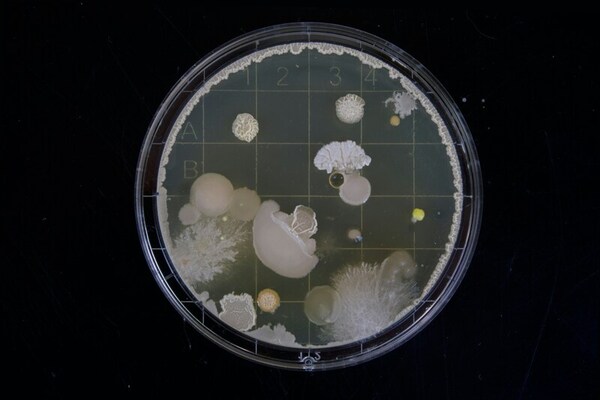
Here the authors aimed to find the best preservative combinations to stop bacterial growth in food, using data modeling and biochemical experiments. They discovered that single preservatives are often not enough, with varying effectiveness against different bacteria, and suggest future research into combining preservatives for better results.
Read More...Heat impact to food’s shelf life - An example of milk
Food spoilage happens when food is not kept in a good storage condition. Qualitatively estimating the shortened shelf life of food could reduce food waste. In this study, we tested the impact of heat on milk shelf life. Our results showed that an exposure at room temperature (25°C) for 3.2 hours will decrease the shelf life of milk by one day.
Read More...Elucidating the Genotoxicity of Synthetic Food Preservatives with the SOS Chromotest
.jpg)
Evidence suggests certain food preservatives may be genotoxic due to their ability to impair normal cellular pathways. The authors investigated the genotoxic potential and effects of commonly used synthetic food preservatives, specifically sodium nitrite, potassium sulfate, and hydrogen peroxide.
Read More...Observing food and density effects on the reproductive strategies of Heterandria formosa
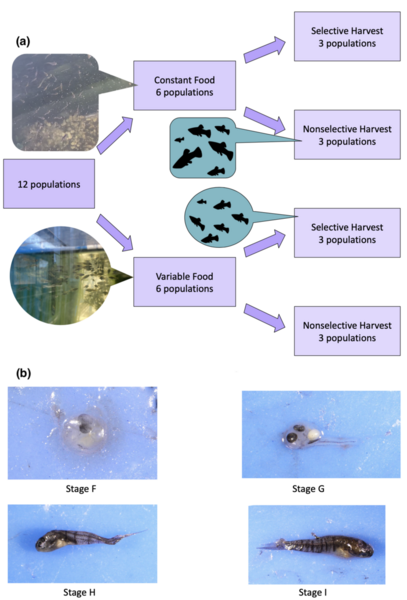
The authors looked at the impact of different harvest and feeding treatments on Heterandria formosa over three generations as a model for changes in marine ecosystems.
Read More...