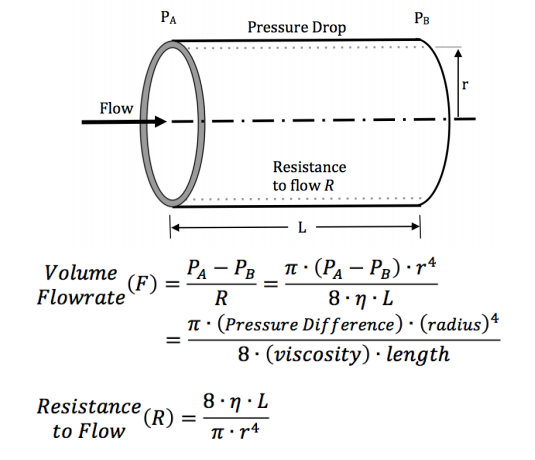
Coronary artery bypass grafts are a common technique to treat coronary heart disease. The authors compared the efficacy of suturing and stapling techniques using an artificial heart pump and silicone tubing and found that suturing, while more time and skill intensive, held pressure in the tubing better than stapling.
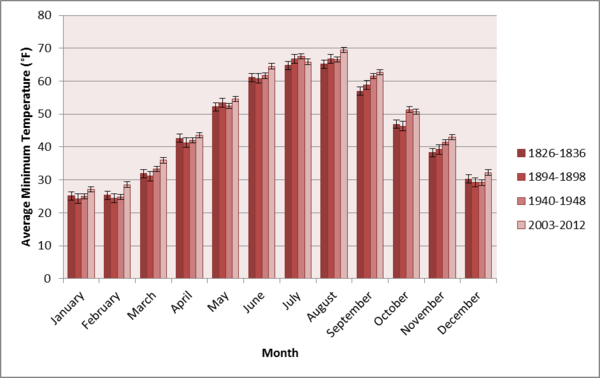
Climate change is an important and contentious issue that has far-reaching implications for our future. The authors here compare primary temperature and precipitation data from almost 200 years ago against the present day. They find that the average annual temperature in Brooklyn, NY has risen significantly over this time, as has the frequency of precipitation, though not the amount of precipitation. These data stress the need for more ecologically-conscious choices in our daily lives.
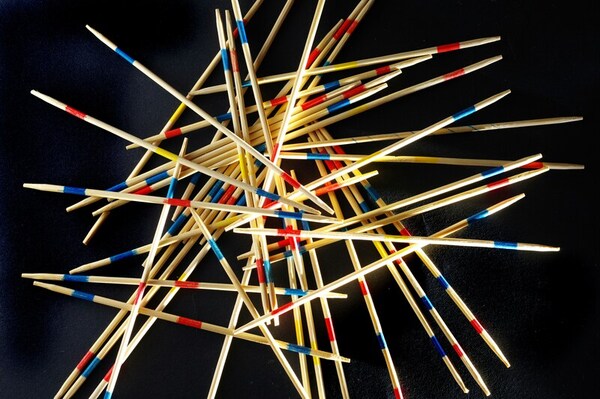
Here the authors investigated the impact of player ability versus starting positions in the game of Nim under imperfect play, hypothesizing that player skill becomes the primary determinant of outcomes as pile sizes grow. Through computational simulations and a mathematical model, they demonstrated that favorable starting positions lose their advantage over time and provide key insights to help improve reinforcement learning algorithms in abstract, complex decision-making environments.
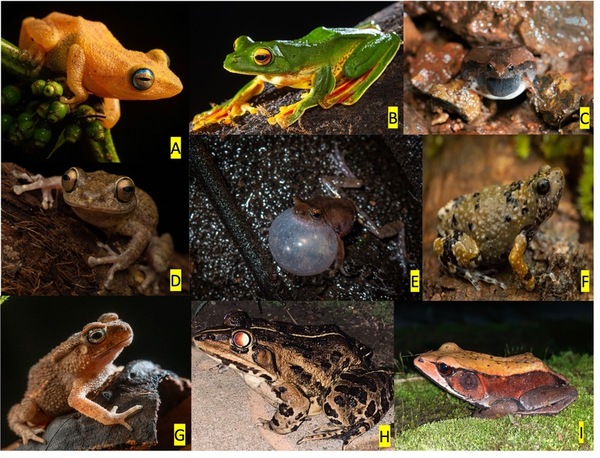
The mountain chain of the Western Ghats on the Indian peninsula, a UNESCO World Heritage site, is home to about 200 frog species, 89 of which are endemic. Distinctive to each frog species, their vocalizations can be used for species recognition. Manually surveying frogs at night during the rain in elephant and big cat forests is difficult, so being able to autonomously record ambient soundscapes and identify species is essential. An effective machine learning (ML) species classifier requires substantial training data from this area. The goal of this study was to assess data augmentation techniques on a dataset of frog vocalizations from this region, which has a minimal number of audio recordings per species. Consequently, enhancing an ML model’s performance with limited data is necessary. We analyzed the effects of four data augmentation techniques (Time Shifting, Noise Injection, Spectral Augmentation, and Test-Time Augmentation) individually and their combined effect on the frog vocalization data and the public environmental sounds dataset (ESC-50). The effect of combined data augmentation techniques improved the model's relative accuracy as the size of the dataset decreased. The combination of all four techniques improved the ML model’s classification accuracy on the frog calls dataset by 94%. This study established a data augmentation approach to maximize the classification accuracy with sparse data of frog call recordings, thereby creating a possibility to build a real-world automated field frog species identifier system. Such a system can significantly help in the conservation of frog species in this vital biodiversity hotspot.
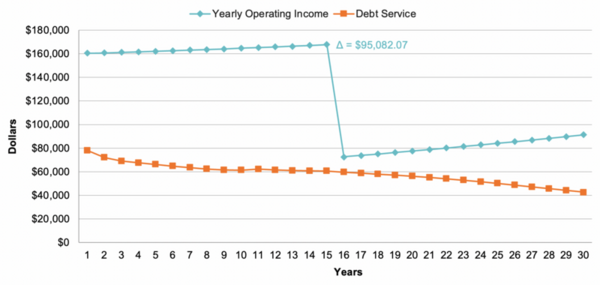
Global reliance on extractive energy sources has many downsides, among which are inconsistent supply and consequent price volatility that distress companies and consumers. It is unclear if renewable energy offers stable and affordable solutions to extractive energy sources. The cost of solar energy generation has decreased sharply in recent years, prompting a surge of installations with a range of financing options. Even so, most existing options require upfront payment, making installation inaccessible for towns with limited financial resources. The primary objective of our research is to examine the use of green bonds to finance solar energy systems, as they eliminate the need for upfront capital and enable repayment through revenue generated over time. We hypothesized that if we modeled the usage of green bonds to finance the installation of a solar energy system in New Jersey, then the revenue generated over the system’s lifetime would be enough to repay the bond. After modeling the financial performance of a proposed solar energy-producing carport in Madison, New Jersey, financed with green bonds, we found that revenue from solar energy systems successfully covered the annual green bond payments and enabled the installers to obtain over 50% of the income for themselves. Our research demonstrated green bonds as a promising option for New Jersey towns with limited financial resources seeking to install solar energy systems, thereby breaking down a financial barrier.
Here, the researchers investigated how exposure to active versus passive music affects a teenager's ability to perform a challenging task, namely a Sudoku puzzle, under stressful conditions. Following testing 75 high school teenagers split into two group, the researchers found that singing in a choir (active music) yielded a greater improvement in performance compared to passive listening for brief time periods.
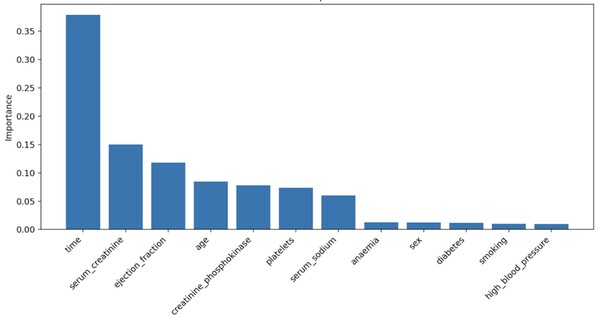
In 2021, over 20 million people died from cardiovascular diseases, highlighting the need for a deeper understanding of factors influencing heart failure outcomes. This study examined multiple variables affecting mortality after heart failure, using random forest models to identify time, serum creatinine, and ejection fraction as key predictors. These findings could contribute to personalized medicine, improving survival rates by tailoring treatment strategies for heart failure patients.
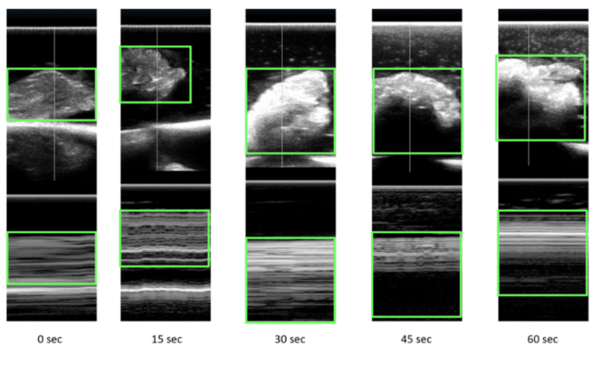
Microwave energy (ME) is used in the medical field to denature protein structures, resulting in inactivation or destruction of abnormal cells. Identifying the extent of destruction of abnormal tissue (cancer tissue or tissue with abnormal electrical activity) is essential for accomplishing successful therapy and reducing collateral damage. Our study was an ex vivo assessment of the changes on ultrasound scans (US) in chicken tissue exposed to ME. We hypothesized that any changes in tissue structures would be recognized on the reflected ultrasound waves. Ultrasound scans of tissues change with exposure to microwaves with increasing reflection of ultrasound waves. With exposure to microwaves, surface level brightness on the ultrasound scans increases statistically significantly. The findings could be used in heat related (ME and radiofrequency) procedures where clinicians would be able to actively assess lesions in real-time. Further studies are required to assess changes in tissue during active exposure to different types of energies.
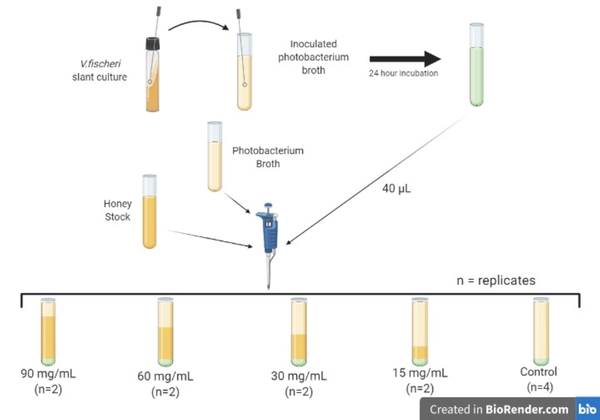
Quorum sensing (QS) is the process in which bacteria recognize and respond to the surrounding cell density, and it can be inhibited by certain antimicrobial substances. This study showed that illumination intensity data is insufficient for evaluating QS activity without proper statistical modeling. It concluded that modeling illumination intensity through time provides a more accurate evaluation of QS activity than conventional cross-sectional analysis.
While resources on the safety of household cleaning products are plentiful, measures of efficacy of these cleaning chemicals against bacteria and viruses remain without standardization in the consumer market. The COVID pandemic has exasperated this knowledge gap, stoking the growth of misinformation and misuse surrounding household cleaning chemicals. Arriving at a time dire for sanitization standardization, the authors of this paper have created a quantifying framework for consumers by comparing a wide range of household cleaning products in their efficacy against bacteria generated by a safe and easily replicable yogurt model.