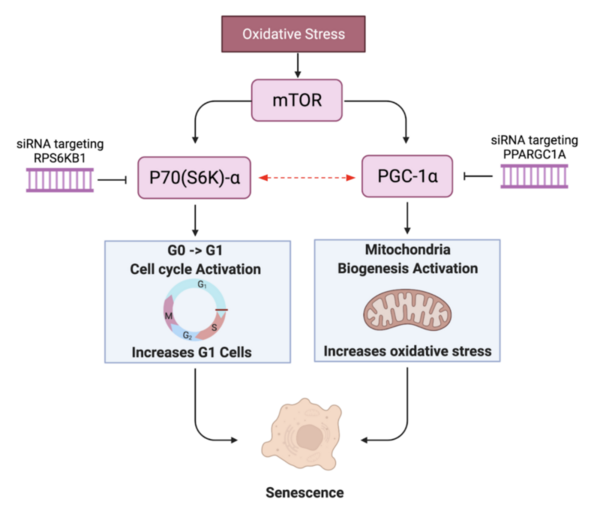
Cellular senescence plays a key role in aging cells and is attributed to a number of disease and pathology. These authors find that genetic editing of both RPS6KB1 and PPARGC1A revitalizes a human skin fibroblast cell line.
Read More...Innovative Treatment for Reducing Senescence and Revitalizing Aging Cells through Gene Silencing
Cellular senescence plays a key role in aging cells and is attributed to a number of disease and pathology. These authors find that genetic editing of both RPS6KB1 and PPARGC1A revitalizes a human skin fibroblast cell line.
Read More...Hybrid Quantum-Classical Generative Adversarial Network for synthesizing chemically feasible molecules
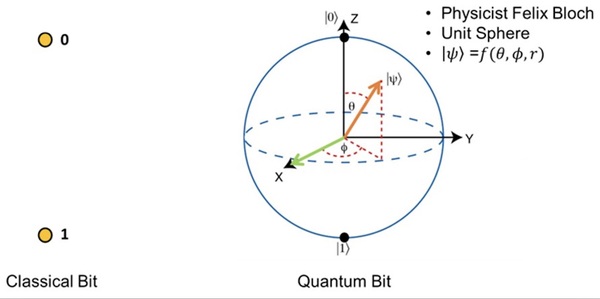
Current drug discovery processes can cost billions of dollars and usually take five to ten years. People have been researching and implementing various computational approaches to search for molecules and compounds from the chemical space, which can be on the order of 1060 molecules. One solution involves deep generative models, which are artificial intelligence models that learn from nonlinear data by modeling the probability distribution of chemical structures and creating similar data points from the trends it identifies. Aiming for faster runtime and greater robustness when analyzing high-dimensional data, we designed and implemented a Hybrid Quantum-Classical Generative Adversarial Network (QGAN) to synthesize molecules.
Read More...Quantitative definition of chemical synthetic pathway complexity of organic compounds
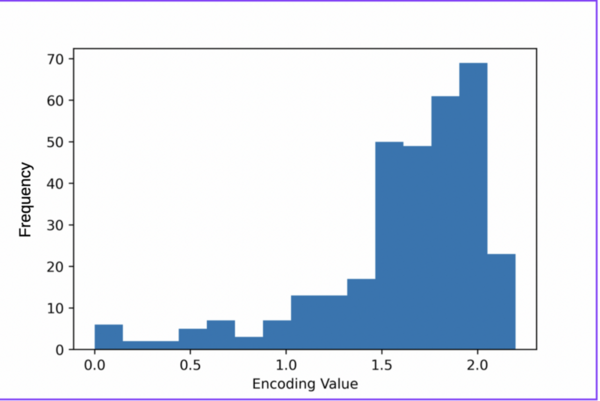
Irrespective of the final application of a molecule, synthetic accessibility is the rate-determining step in discovering and developing novel entities. However, synthetic complexity is challenging to quantify as a single metric, since it is a composite of several measurable metrics, some of which include cost, safety, and availability. Moreover, defining a single synthetic accessibility metric for both natural products and non-natural products poses yet another challenge given the structural distinctions between these two classes of compounds. Here, we propose a model for synthetic accessibility of all chemical compounds, inspired by the Central Limit Theorem, and devise a novel synthetic accessibility metric assessing the overall feasibility of making chemical compounds that has been fitted to a Gaussian distribution.
Read More...Novel biaryl imines and amines as potential competitive inhibitors of dihydropteroate synthase
.jpeg)
In this study, the authors design a series of new biaryl small molecules to target and block the binding pocket of the enzyme dihydropteroate synthase, which is important for prokaryotic biosynthesis of folic acid and could serve as better antimicrobial compounds.
Read More...Intra and interspecies control of bacterial growth through extracellular extracts
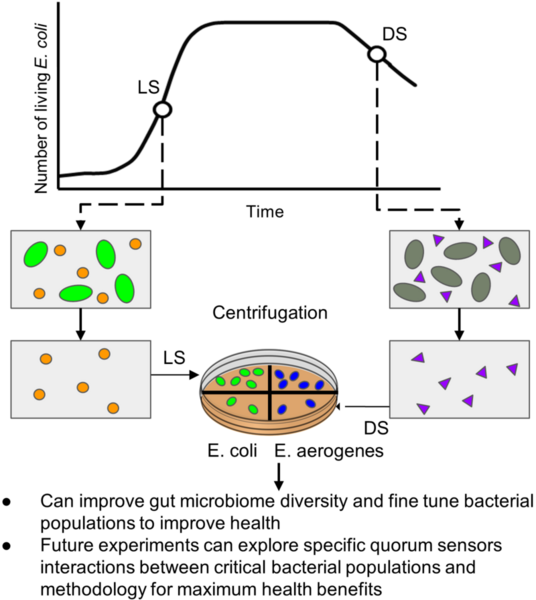
The study discusses the relationship between bacterial species and the human gut microbiome, emphasizing the role of quorum sensing molecules in bacterial communication and its implications for health. Authors investigated the impact of bacterial supernatants from Escherichia coli (E. coli) on the growth of new E. coli and Enterobacter aerogenes (E. aerogenes) cultures.
Read More...The design of Benzimidazole derivatives to bind to GDP-bound K-RAS for targeted cancer therapy
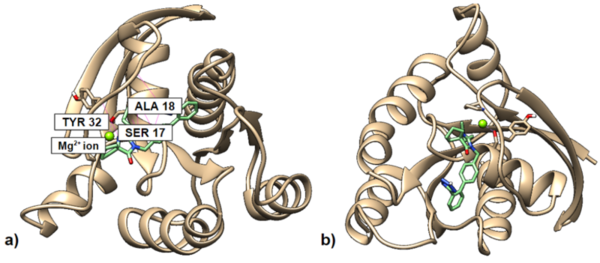
In this study, the authors looked at a proto-oncogene, KRAS, and searched for molecules that are predicted to be able to bind to the inactive form of KRAS. They found that a modified version of Irbesartan, a derivative of benzimidazole, showed the best binding to inactive KRAS.
Read More...Virtual Screening of Cutibacterium acnes Antibacterial Agent Using Natural Compounds Database
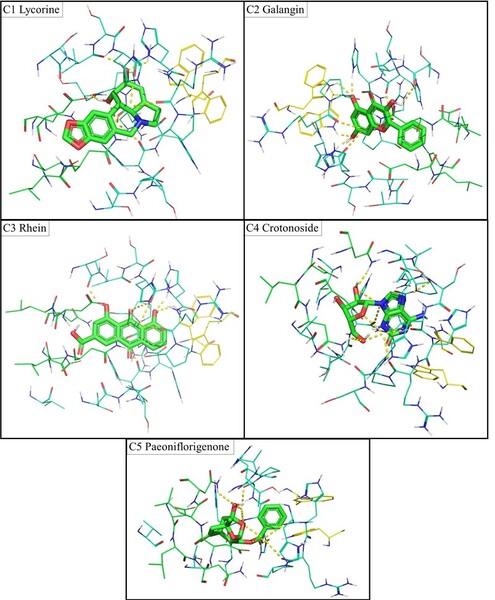
A common form of Acne is caused by a species of bacterium called Cutibacterium acnes. By using a predictive algorithm and structural analysis, the authors identified 5 small molecules with high affinity to growth factors in Catibacterium acnes. This has potential implications for supplemental skincare products.
Read More...Cytokine Treatment for Myocarditis May Directly Impact Cardiomyocytes Negatively
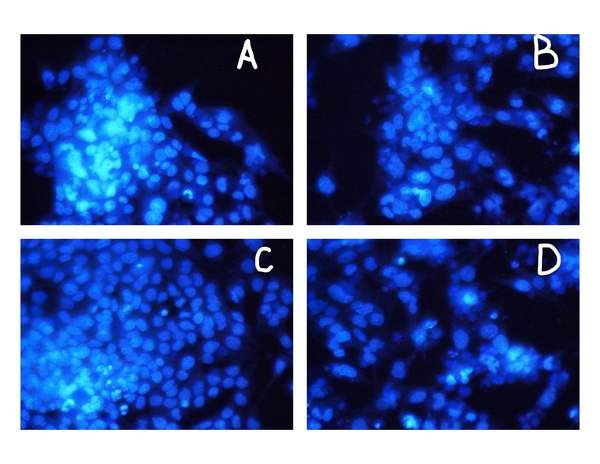
The purpose of our study was to determine if direct administration of CXCL1/KC to cardiomyocytes causes negative changes to cell density or proliferation. This molecule has been shown to reduce inflammation in certain instances. Homocysteine models the direct effect of an inflammatory agent on cardiomyocytes. Our question was whether these molecules directly impact cell density through an interaction with the cell proliferation process. We hypothesized that cells treated with CXCL1/KC would maintain the same cell density as untreated cells. In contrast, cells treated with Homocysteine or both Homocysteine and CXCL1/KC, were expected to have a higher cell density that than that of untreated cells.
Read More...The Effect of Common Cations on DNA Degradation
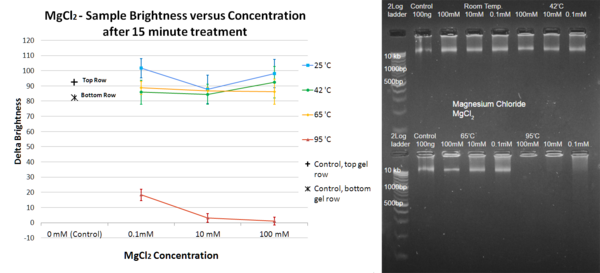
Heating of DNA-containing solutions is a part of many experiment protocols, but it can also cause damage and degradation of the DNA molecules, potentially leading to error in the experimental results. The authors of this paper investigate whether the presence of certain cations during heating can stabilize the DNA polymer and aid the preservation of the molecule.
Read More...The Effectiveness of Different Palate Relievers Against a Hot Chili Pepper Sauce
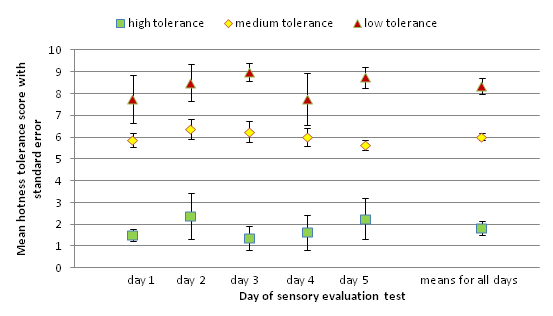
Cuisine with hot chili peppers can be tasty, but sometimes painful to consume because of the burning sensations caused by the capsaicin molecule. The authors wanted to find the palate reliever that decreases the burning sensation of capsaicin the most by testing water, soft drink, olive oil, milk, and ice-cream as possible candidates. The authors hypothesized that olive oil would be the best palate reliever as it is non-polar like the capsaicin molecule. The authors surveyed 12 panelists with low, medium, and high spice tolerances and found that across all levels of spice tolerance, milk and ice-cream were the best palate relievers and soft drink the worst.
Read More...