The authors looked at 5-FU resistant HeLa cells and the ability of an herbal extract to show anti-inflammatory properties.
Read More...The anticancer and anti-inflammatory effects of polyherbal drug AS20 on HeLa cells resistant to 5-Fluorouracil
The authors looked at 5-FU resistant HeLa cells and the ability of an herbal extract to show anti-inflammatory properties.
Read More...Using CRISPR technology to inhibit the replication of human cytomegalovirus by deletion of a gene promoter
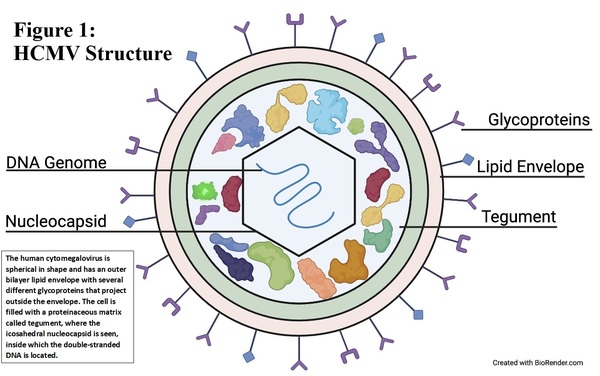
Human cytomegalovirus (HCMV) causes serious infections in immunocompromised patients and therapies to inhibit latent HCMV are not developed. Using CRISPR/Cas9, the authors were able to delete an important promoter region in HCMV.
Read More...Misconceptions regarding heart disease are prevalent among american adults and minors
In this study, the authors created a survey to assess misconceptions and knowledge deficits regarding cardiovascular diseases exist among US adults and minors.
Read More...Honey Bee Pollen in Allergic Rhinitis Healing
The most common atopic disease of the upper respiratory tract is allergic rhinitis. It is defined as a chronic inflammatory condition of nasal mucosa due to the effects of one or more allergens and is usually a long-term problem. The purpose of our study was to test the efficiency of apitherapy in allergic rhinitis healing by the application of honey bee pollen. Apitherapy is a branch of alternative medicine that uses honey bee products. Honey bee pollen can act as an allergen and cause new allergy attacks for those who suffer from allergic rhinitis. Conversely, we hoped to prove that smaller ingestion of honey bee pollen on a daily basis would desensitize participants to pollen and thus reduce the severity of allergic rhinitis.
Read More...TNF signaling pathway upregulation as a potential pharmaceutical target for cocaine-addicted individuals
In this article, the authors investigate the RNA expression differences between groups of chronic cocaine abusers and drug-free subjects.
Read More...The Effects of Altered Microbiome on Caenorhabditis elegans Egg Laying Behavior
Since the discovery that thousands of different bacteria colonize our gut, many of which are important for human wellbeing, understanding the significance of balancing the different species on the human body has been intensely researched. Untangling the complexity of the gut microbiome and establishing the effect of the various strains on human health is a challenge in many circumstances, and the need for simpler systems to improve our basic understanding of microbe-host interactions seems necessary. C. elegans are a well-established laboratory animal that feed on bacteria and can thus serve as a less complex system for studying microbe-host interactions. Here the authors investigate how the choice of bacterial diet affects worm fertility. The same approach could be applied to many different outcomes, and facilitate our understanding of how the microbes colonizing our guts affect various bodily functions.
Read More...The Impact of Antibiotic Exposure and Concentration on Resistance in Bacteria
Antibiotics are used to treat dangerous diseases. Over time, however, bacteria are becoming resistant to antibiotics - which poses a threat to humans and animals alike. In this paper, the authors examine how E. coli gains resistance to the antibiotic amoxicillin.
Read More...Development of anti-cancer bionanoparticles isolated from corn for bone cancer treatment
This study hypothesizes that nanoparticles derived from corn (cNPs)may have anti-proliferative effects on bone cancer and metastasized bone cancer. It finds that human osteosarcoma and human lung carcinoma metastasized to bone marrow cell viability decreased to 0% when treated with cNPs. Overall, these results indicate that cNPs have anti-proliferative effects on bone cancer cells and cancer cells that metastasize to the bone.
Read More...Combating drug resistance in cancer cells: Cooperative effect of green tea and turmeric with chemotherapeutic drug
The major drawback of chemotherapy regimens for treating cancer is that the cancerous cells acquire drug resistance and become impervious to further dose escalation. Keeping in mind the studied success of herbal formulations with regard to alternative treatments for cancer, we hypothesized that the use of a chemotherapeutic drug and proprietary herbal formulation, HF1, would combat this phenomenon when administered with common chemotherapeutic drug 5FU. Results demonstrated a cooperative effect between HF1 and 5FU on the drug resistant cell line, implying that administration of HF1 with 5FU results in cell death as measured by MTT assay.
Read More...