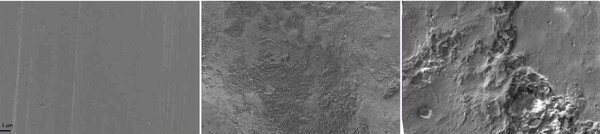
The authors test whether coating stainless steel orthopedic screws in silver will promote calcium precipitation to improve orthopedic implant integration into bone.
Read More...Silver nanoparticle-coated orthopedic screws lead to greater calcium precipitation
The authors test whether coating stainless steel orthopedic screws in silver will promote calcium precipitation to improve orthopedic implant integration into bone.
Read More...Energy beverages and sugar: How sweetener type dictates specific gravity
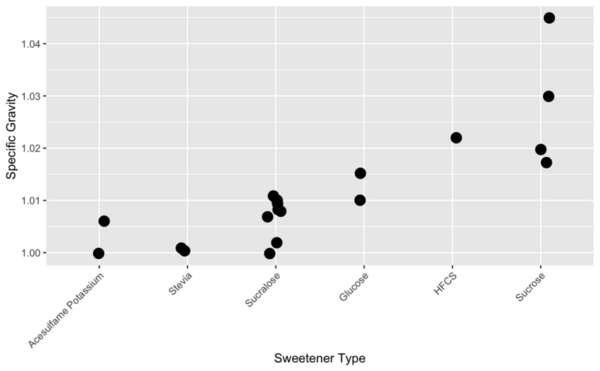
The authors looked at different factors that influence specific gravity in beverages, including sweetener used, caffeine, carbonation, and sodium.
Read More...Gene expression analysis of febrile seizure’s impact on mesial temporal lobe epilepsy
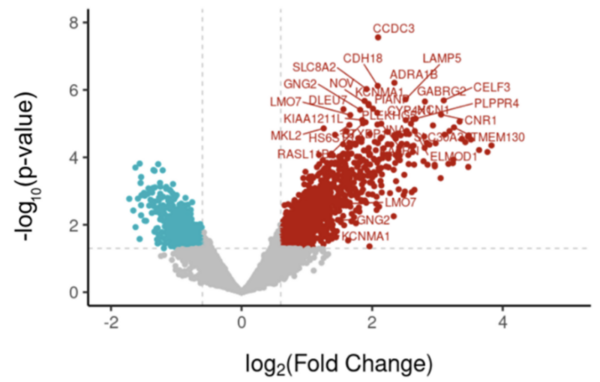
The authors looked at genes that were differentially expressed in patients who had and had not had febrile seizures to determine what differences in gene expression existed.
Read More...Incorporating graphite from pencils as a component of lithium-ion batteries
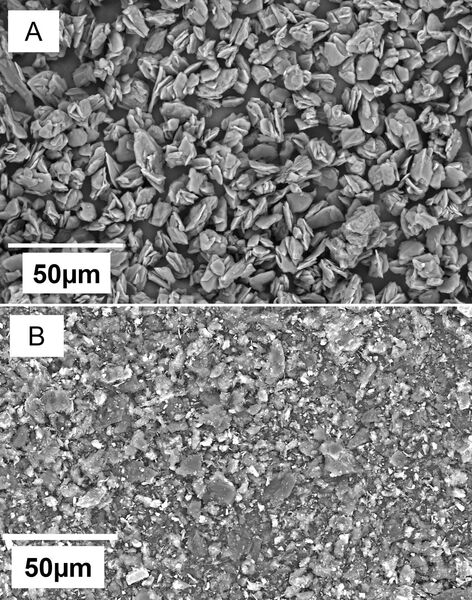
The authors looked at the ability to use graphite from pencils in anodes of lithium-anode batteries.
Read More...SeniorConnect: A low-cost, app-based real-time alert system to connect seniors with their caregivers
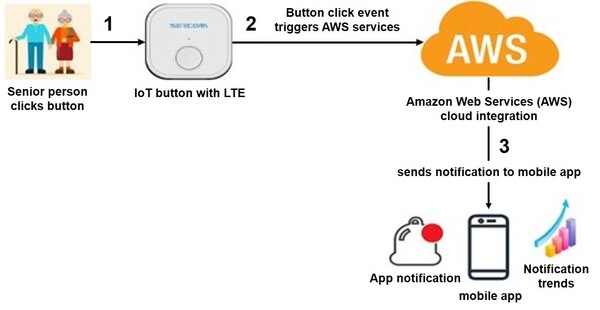
The authors design and test an easy-to-use and cost-effective mobile app-based alert system to help senior citizens rapidly communicate with caregivers in emergencies or when in need of assistance.
Read More...The impact of environmental noise on the cognitive functions and mental workload of high school students
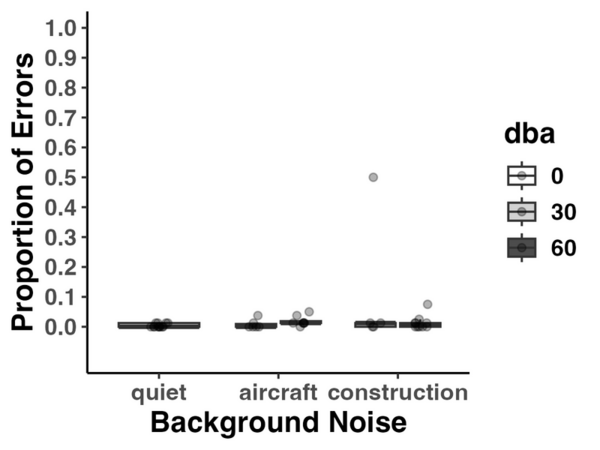
Authors examine the impact of environmental noise on cognitive processes in teenagers, focusing on five different noise conditions: two types of noise (aircraft and construction) at two different decibel levels (30 dBA and 60 dBA) and a quiet condition.
Read More...Contribution of Indian Women to the National GDP
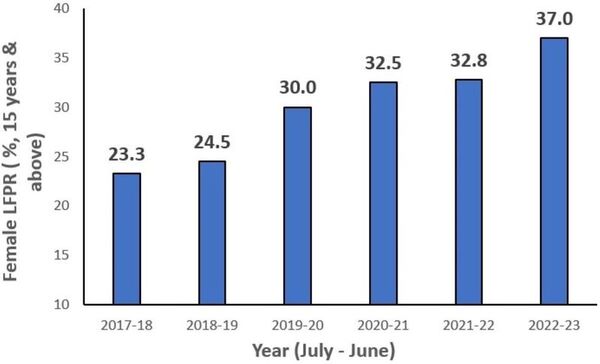
The authors assessed the degree of women participation in India's economy as a way to estimate woman's participation in India's economic growth.
Read More...Identifying 5-hydroxymethylcytosine as a potential cancer biomarker using FFPE DNA samples
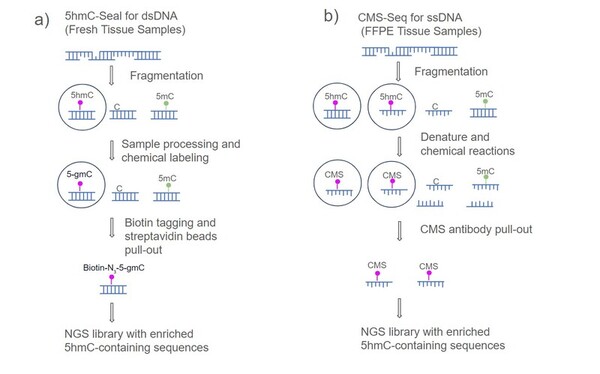
This study used an improved CMS-seq method to profile 5hmC in ormalin-fixed and paraffin-embedded (FFPE) samples from HNC tumors and adjacent normal tissues, identifying three genes (PRKD2, HADHA, and AIPL1) with promising potential as biomarkers for Head and neck cancer (HNC) diagnosis.
Read More...Risk factors contributing to Pennsylvania childhood asthma
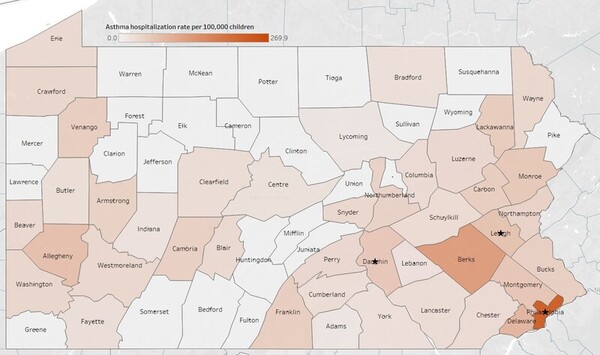
Asthma is one of the most prevalent chronic conditions in the United States. But not all people experience asthma equally, with factors like healthcare access and environmental pollution impacting whether children are likely to be hospitalized for asthma's effects. Li, Li, and Ruffolo investigate what demographic and environmental factors are predictive of childhood asthma hospitalization rates across Pennsylvania.
Read More...Optimizing surface contact area and electrolyte type to develop a more effective rechargeable battery
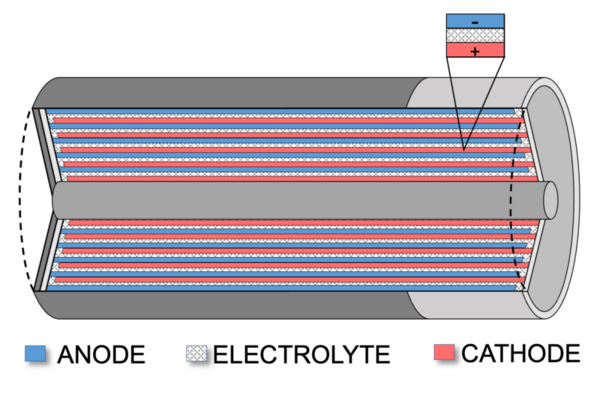
Rechargeable batteries are playing an increasingly prominent role in our lives due to the ongoing transition from fossil energy sources to green energy. The purpose of this study was to investigate variables that impact the effectiveness of rechargeable batteries. Alkaline (non-rechargeable) and rechargeable batteries share common features that are critical for the operation of a battery. The positive and negative electrodes, also known as the cathode and anode, are where the energy of the battery is stored. The electrolyte is what facilitates the transfer of cations and anions in a battery to generate electricity. Due to the importance of these components, we felt that a systematic investigation examining the surface area of the cathode and anode as well the impact of electrolytes with different properties on battery performance was justified. Utilizing a copper cathode and aluminum anode coupled with a water in salt electrolyte, a model rechargeable battery system was developed to test two hypotheses: a) increasing the contact area between the electrodes and electrolyte would improve battery capacity, and b) more soluble salt-based electrolytes would improve battery capacity. After soaking in an electrolyte solution, the battery was charged and the capacity, starting voltage, and ending voltage of each battery were measured. The results of this study supported our hypothesis that larger anode/cathodes surface areas and more ionic electrolytes such as sodium chloride, potassium chloride and potassium sulfate resulted in superior battery capacity. Incorporating these findings can help maximize the efficiency of commercial rechargeable batteries.
Read More...