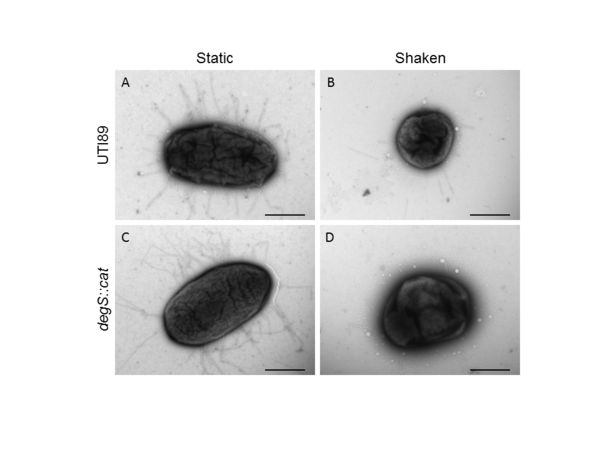
DegS is an integral inner membrane protein in E. coli that helps break down misfolded proteins. When it is mutated, there is a large increase in the production of outer membrane vesicles (OMVs), which are thought to play a role in pathogenesis. This study used mutant strains of uropathogenic E. coli (UPEC) to characterize the role of DegS and OMVs on UPEC virulence.
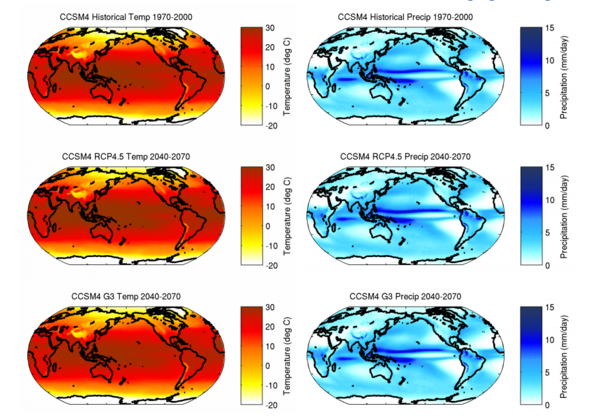
We are changing our environment with steadily increasing carbon dioxide emissions, but we might be able to help. The authors here use a computer program called Community Climate System Model 4 to predict the effects of spraying small particles into the atmosphere to reflect away some of the sun's rays. The software predicts that this could reduce the amount of energy the Earth's atmosphere absorbs and may limit but will not completely counteract our carbon dioxide production.
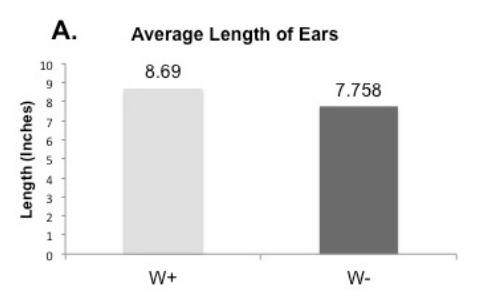
Farmers will need to increase crop yields to feed the world's growing population efficiently. The authors here investigate the effects of growing corn in the presence or absence of ragweed, an invasive weed found in many fields and gardens. Surprisingly, the authors found that corn grown in the presence of weeds grew taller and were more productive than corn that had weeds removed. This may help gardeners rethink the necessity of weeding, and may point a way to improve farm yields in the future.
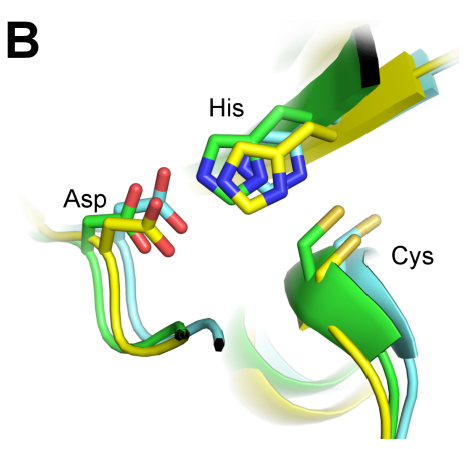
Malaria is a major public health issue, especially in developing countries, and vector control is a major facet of malaria eradication efforts. Recently, sterile insect technique (SIT), or the release of sterile mosquitoes into the wild, has shown significant promise as a method of keeping vector populations under control. In this study, the authors investigate the Anopheles gambiae transglutaminase 3 protein (AgT3), which is essential to the mating of the Anopheles mosquito. They show that an active site mutation is able to abolish the activity of the AgT3 enzyme and propose it as a potential target for chemosterilant inhibitors.
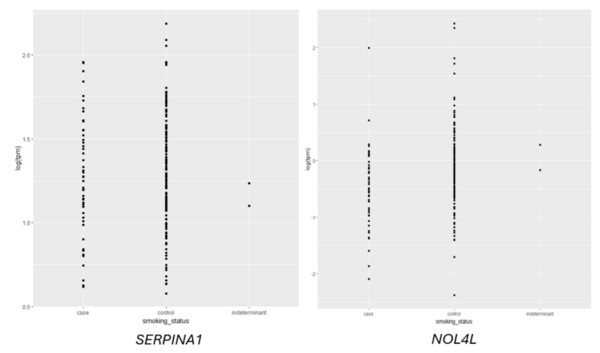
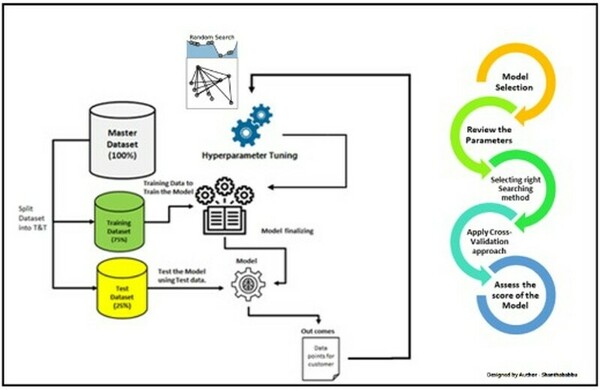
Given an association between nicotine addiction and gene expression, we hypothesized that expression of genes commonly associated with smoking status would have variable expression between smokers and non-smokers. To test whether gene expression varies between smokers and non-smokers, we analyzed two publicly-available datasets that profiled RNA gene expression from brain (nucleus accumbens) and lung tissue taken from patients identified as smokers or non-smokers. We discovered statistically significant differences in expression of dozens of genes between smokers and non-smokers. To test whether gene expression can be used to predict whether a patient is a smoker or non-smoker, we used gene expression as the training data for a logistic regression or random forest classification model. The random forest classifier trained on lung tissue data showed the most robust results, with area under curve (AUC) values consistently between 0.82 and 0.93. Both models trained on nucleus accumbens data had poorer performance, with AUC values consistently between 0.65 and 0.7 when using random forest. These results suggest gene expression can be used to predict smoking status using traditional machine learning models. Additionally, based on our random forest model, we proposed KCNJ3 and TXLNGY as two candidate markers of smoking status. These findings, coupled with other genes identified in this study, present promising avenues for advancing applications related to the genetic foundation of smoking-related characteristics.
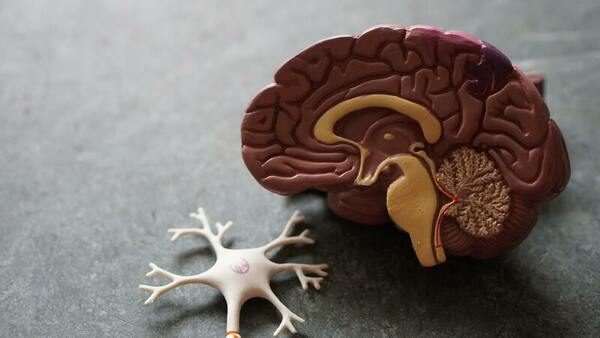
Agenesis of the Corpus Callosum (ACC) is a birth defect where an infant’s corpus callosum, the structure linking the brain’s two hemispheres to allow interhemispheric communication, fails to develop in a typical manner during pregnancy. Existing research on the connection between ACC and epilepsy leaves significant gaps, due to the lack of focused investigation. One important gap is the degree to which ACC may impact the course of epilepsy treatment and outcomes. The present study was conducted to test the hypotheses that epilepsy is highly prevalent among individuals with ACC, and that those with both ACC and epilepsy have a lower response rate to anticonvulsant drugs than other patients treated with anticonvulsant drugs. A weighted average of epilepsy rates was calculated from a review of existing literature, which supported the hypothesis that epilepsy was more common among individuals with ACC (25.11%) than in the general population (1.2%). An empirical survey administered to 57 subjects or parents of subjects showed that rate of intractable epilepsy among study subjects with both ACC and epilepsy was substantially higher than the rate found in the general population, indicating that individuals with both conditions had a lower response rate to the anticonvulsant drugs. This study contributes novel results regarding the potential for concurrence of ACC and epilepsy to interfere with anticonvulsant drug treatment. We also discuss implications for how medical professionals may use the findings of this study to add depth to their treatment decisions.
Treatments inhibiting Notch signaling pathways have been explored by researchers as a new approach for the treatment of glioblastoma tumors, which is a fast-growing and aggressive brain tumor. Recently, retinoic acid (RA) therapy, which inhibits Notch signaling, has shown a promising effect on inhibiting glioblastoma progression. RA, which is a metabolite of vitamin A, is very important in embryonic cellular development, which includes the regulation of multiple developmental processes, such as brain neurogenesis. However, high doses of RA treatment caused many side effects such as headaches, nausea, redness around the injection site, or allergic reactions. Therefore, we hypothesized that a combination treatment of RA and siRNA targeting NOTCH1 (siNOTCH1), the essential gene that activates Notch signaling, would effectively inhibit brain cancer cell proliferation. The aim of the study was to determine whether inhibiting NOTCH1 would inhibit the growth of brain cancer cells by cell viability assay. We found that the combination treatment of siNOTCH1 and RA in low concentration effectively decreased the NOTCH1 expression level compared to the individual treatments. However, the combination treatment condition significantly decreased the number of live brain cancer cells only at a low concentration of RA. We anticipate that this novel combination treatment can provide a solution to the side effects of chemotherapy.
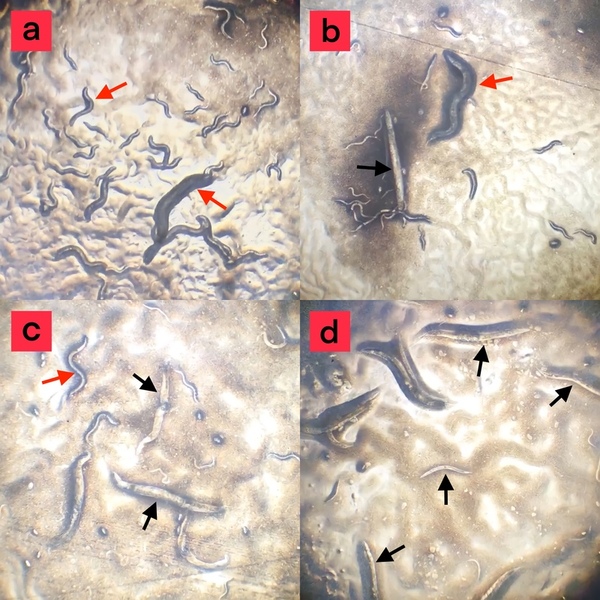
Caenorhabditis elegans xpa-1 and him-1 are orthologs of human XPA and human SMC1A, respectively. Mutations in the XPA are correlated with Xeroderma pigmentosum, a condition that induces hypersensitivity to ultraviolet (UV) radiation. Alternatively, SMC1A mutations may lead to Cornelia de Lange Syndrome, a multi-organ disorder that makes patients more sensitive to UVinduced DNA damage. Both C. elegans genes have been found to be involved in protection against UV radiation, but their combined effects have not been tested when they are both knocked down. The authors hypothesized that because these genes are involved in separate pathways, the simultaneous knockdown of both of these genes using RNA interference (RNAi) in C. elegans will cause them to become more sensitive to UV radiation than either of them knocked down individually. UV protection was measured via the percent survival of C. elegans post 365 nm and 5.4x10⁻¹⁹ joules of UV radiation. The double xpa-1/him-1 RNAi knockdown showed a significantly reduced percent survival after 15 and 30 minutes of UV radiation relative to wild-type and xpa-1 and him-1 single knockdowns. These measurements were consistent with their hypothesis and demonstrated that xpa-1 and him-1 genes play distinct roles in resistance against UV stress in C. elegans. This result raises the possibility that the xpa-1/him-1 double knockdown could be useful as an animal model for studying the human disease Xeroderma pigmentosum and Cornelia de Lange Syndrome.
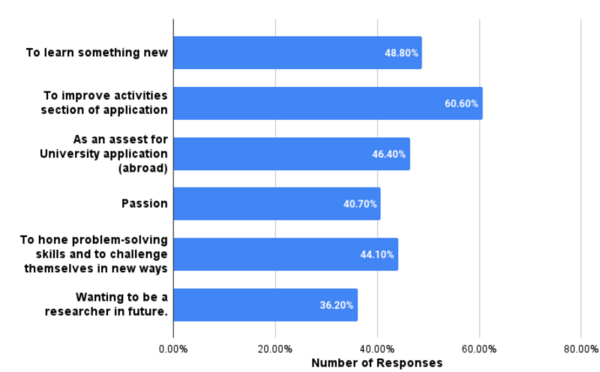
High school and university students have various motivations for participating in research, ranging from strengthening their applications for university to building skills for a research career. Jubair and Islam survey Bangladeshi high school and university students to uncover their motivations and inspirations for participating in research.