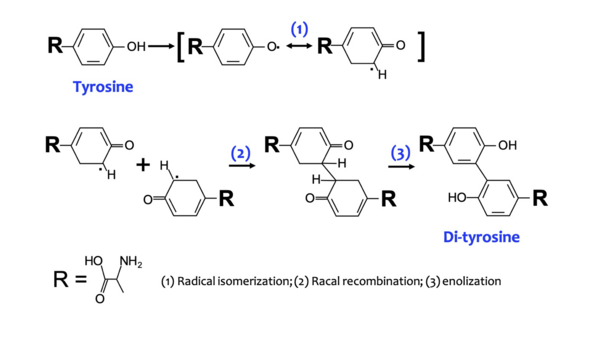
In this study, the authors develop a new hydrogel using photochemical crosslinking with bovine serum albumin and methylene blue. They find that this new hydrogel has some useful applications!
Read More...One-step photochemical crosslinking of native proteins is feasible in tyrosine-rich bovine serum albumin
In this study, the authors develop a new hydrogel using photochemical crosslinking with bovine serum albumin and methylene blue. They find that this new hydrogel has some useful applications!
Read More...Fourier-Transform Infrared (FTIR) spectroscopy analysis of seven wisconsin biosolids

The authors analyzed biosolids from five Wisconsin wastewater treatment plants and suggest using KBr pellet FTIR as a simple and rapid method to start characterizing P species in biosolids.
Read More...Nintendo Da Vinci: A Novel Control System to Improve Performance in Robotic-Assisted Surgery
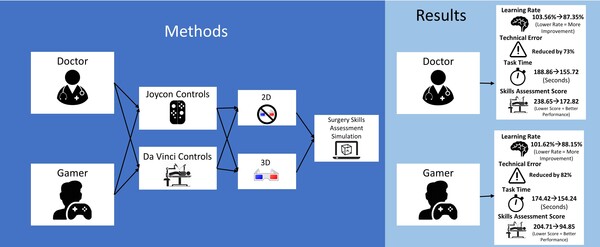
Complications of robotic-assisted surgery are on the rise, partly due to surgeons not receiving proper training. Al-Akash and Al-Akash hypothesized Nintendo JoyCon controls would improve surgical performance compared to the FDA-approved Da Vinci Surgical System with two user groups (doctor and gamer). Their results show that implementing a Nintendo JoyCon control system is associated with improved surgical performance and learning rate compared to the Da Vinci Surgical System.
Read More...Modulation of Planaria Regeneration by Resolvin D1 and the Omega-3 Fatty Acid Precursor 17-Hydroxy Docosahexaenoic Acid
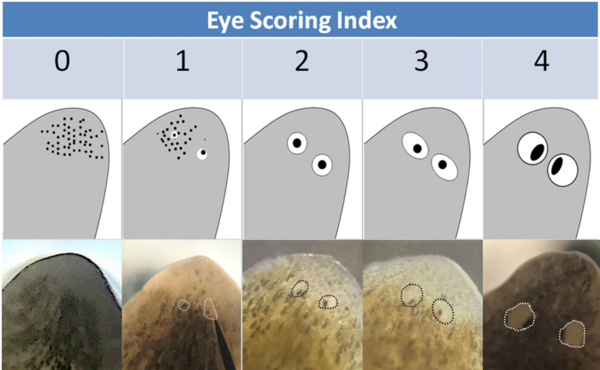
Omega-3 fatty acid derived lipid mediators have been implicated in resolving inflammation, and wound healing. Authors measured the impact of supplementation with lipid mediator Resolvin D1 and its precursor 17-HDHA on planaria regeneration. Planaria not only synthesize RvD1 from 17-DHA, but both RvD1 and 17-DHA enhanced regeneration.
Read More...Understanding the Mechanism of Star-Block Copolymers as Nanoreactors for Synthesis of Well-Defined Silver Nanoparticles
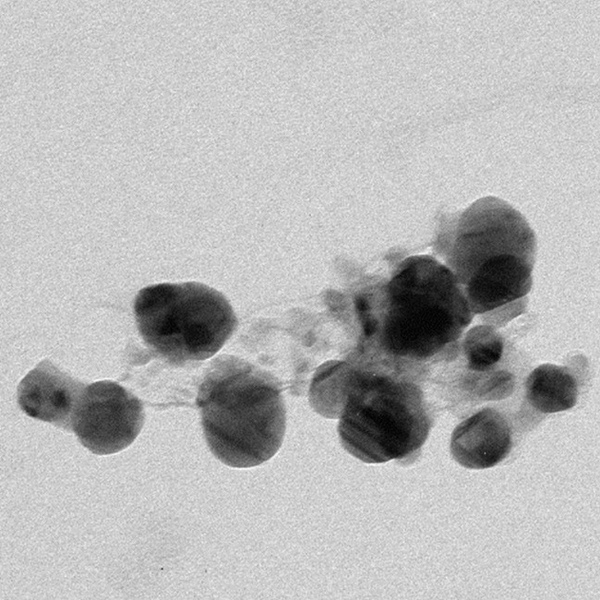
Here, the authors characterize how silver ions nucleate a star-block copolymer to generate nano-sized silver particles.
Read More...Slowing the Mold Growth on Stored Corn: The Effects of Vinegar, Baker’s Yeast, and Yogurt on Corn Weight Loss
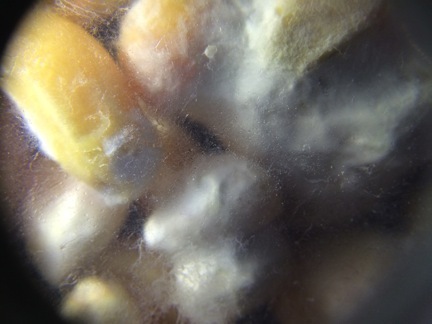
Chemical preservatives are often used to reduce grain spoilage due to mold, but can have harmful heath and environmental effects. In this study, the authors tested three low toxic compounds for their effects on mold growth on corn kernels and found that all three were successful at slowing growth.
Read More...The Relationship Between Close-Range Shooting Distance and Nitrite Patterns on Cotton and Polyester Clothing

At a crime scene, the presence and pattern of gunshot residue can help forensic scientists piece together the events that occurred. To assist this, the authors of this paper determined the relationship between shooting distance and nitrite residue patterns left on fabric targets.
Read More...Ant Colony Optimization Algorithms with Multiple Simulated Colonies Offer Potential Advantages for Solving the Traveling Salesman Problem and, by Extension, Other Optimization Problems
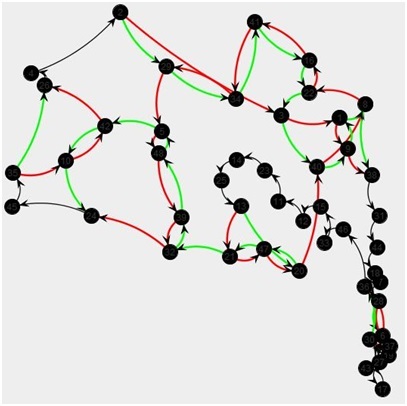
Ant colony optimization algorithms simulate ants moving from point to point on a graph and coordinate their actions, similar to ants laying down pheromones to strengthen a path as it is used more frequently. These ACO algorithms can be applied to the classic traveling salesman problem, which aims to determine the lowest-cost path through a given set of points on a graph. In this study, a novel multiple-colony system was developed that uses multiple simulated ant colonies to generate improved solutions to the traveling salesman problem.
Read More...The Development and Maximization of a Novel Photosynthetic Microbial Fuel Cell Using Rhodospirillum rubrum
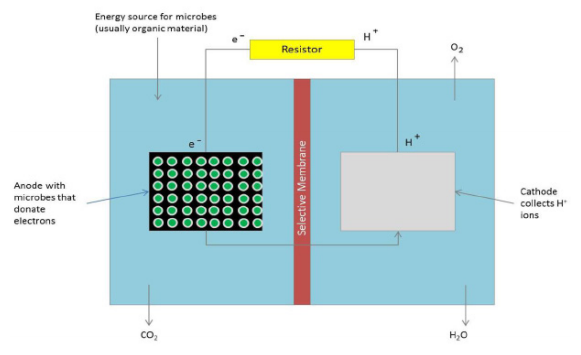
Microbial fuel cells (MFCs) are bio-electrochemical systems that utilize bacteria and are promising forms of alternative energy. Similar to chemical fuel cells, MFCs employ both an anode (accepts electrons) and a cathode (donates electrons), but in these devices the live bacteria donate the electrons necessary for current. In this study, the authors assess the functionality of a photosynthetic MFC that utilizes a purple non-sulfur bacterium. The MFC prototype they constructed was found to function over a range of environmental conditions, suggesting its potential use in industrial models.
Read More...Early detection of student burnout using data science: a study of behavioral and psychological indicators

This study examined behavioral and psychological predictors of burnout among high school and university students in Pakistan using survey data and machine-learning models. Shorter sleep and greater mental fatigue—especially fatigue—were associated with higher burnout risk, while a Random Forest model successfully identified students at risk of burnout.
Read More...