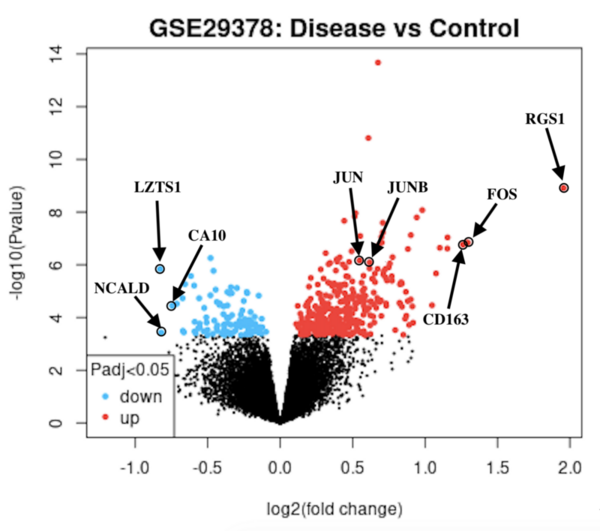
The authors studied hippocampal gene expression in Alzheimer's disease.
Read More...Upregulation of the AP-1 complex as a potential biomarker for Alzheimer’s disease (AD)
The effect of calcium on mealworm iron metabolism
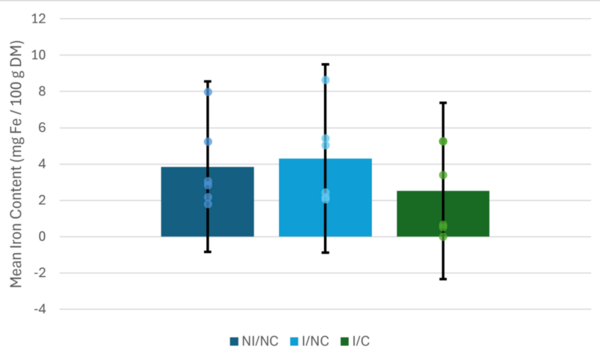
The authors looked at the impact of calcium on iron absorption in mealworms, hypothesizing that calcium would inhibit iron absorption.
Read More...Designing gRNAs to reduce the expression of the DMPK gene in patients with classic myotonic dystrophy

The authors describe the design and testing of new guide RNAs targeting the DMPK gene, which is responsible for myotonic dystrophy.
Read More...PCR technology for screening genetically modified soybeans

In order to determine whether unmarked soybeans in the market were genetically modified crops, the authors developed a polymerase chain reaction (PCR) screen for DNA lectin.
Read More...Comparing Virulence of Three T4 Bacteriophage Strains on Ampicillin-Resistant and Sensitive E. coli Bacteria
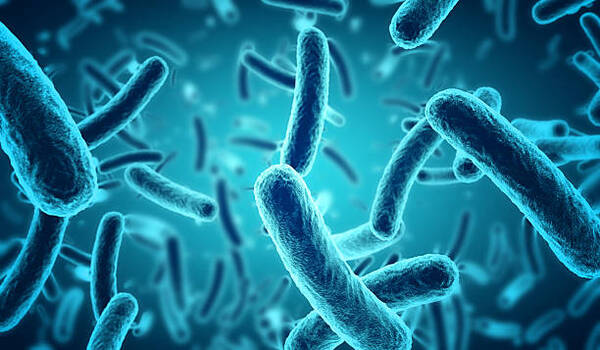
In this study, the authors investigate an alternative way to kill bacteria other than the use of antibiotics, which is useful when considering antibiotic-resistance bacteria. They use bacteriophages, which are are viruses that can infect bacteria, and measure cell lysis. They make some important findings that these bacteriophage can lyse both antibiotic-resistant and non-resistant bacteria.
Read More...Cathodal Galvanotaxis: The Effect of Voltage on the distribution of Tetrahymena pyriformis
.png)
The surface of the unicellular eukaryote, Tetrahymena pyriformis, is covered with thousands of hair-like cilia. These cilia are very similar to cilia of the human olfactory and respiratory tracts making them model organisms for studying cilia function and pathology. The authors of this study investigated the effect of voltage on T. pyriformis galvanotaxis, the movement towards an electrical stimulus. They observed galvanotaxis towards the cathode at voltages over 4V which plateau, indicating opening of voltage gated-ion channels to trigger movement.
Read More...TGFβ1 Codon 10 Polymorphism and its Association with the Prevalence of Low Myopia
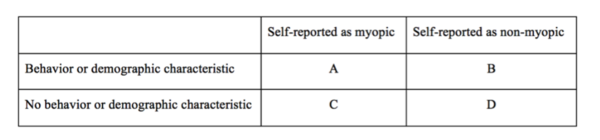
The goal of this project was to assess the relationships among low myopia, behavioral and demographic factors, and a single-nucleotide polymorphism (SNP) in the TGFβ1 gene.
Read More...Bacteriophage TLS sensitizes Escherichia coli to antibiotics
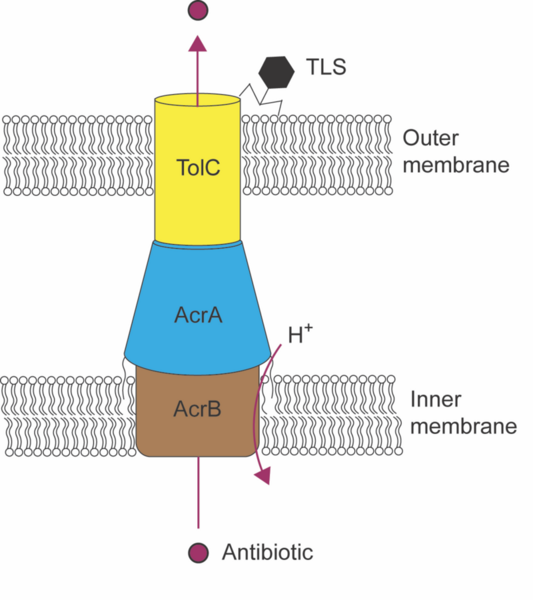
Antibiotic resistance is a growing global health threat, and one strategy to combat it is using bacteriophages to enhance the effectiveness of existing antibiotics. This study tested whether targeting the TolC protein in E. coli with the TLS bacteriophage would increase bacterial sensitivity to antibiotics.
Read More...Lung cancer AI-based diagnosis through multi-modal integration of clinical and imaging data
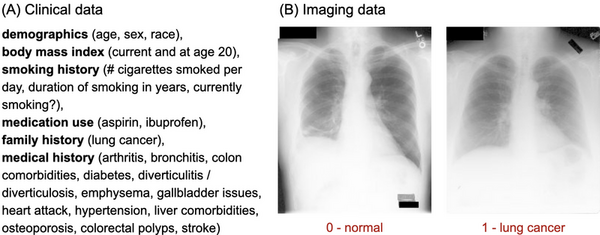
Lung cancer is highly fatal, largely due to late diagnoses, but early detection can greatly improve survival. This study developed three models to enhance early diagnosis: an MLP for clinical data, a CNN for imaging data, and a hybrid model combining both.
Read More...Elucidating the Genotoxicity of Synthetic Food Preservatives with the SOS Chromotest
.jpg)
Evidence suggests certain food preservatives may be genotoxic due to their ability to impair normal cellular pathways. The authors investigated the genotoxic potential and effects of commonly used synthetic food preservatives, specifically sodium nitrite, potassium sulfate, and hydrogen peroxide.
Read More...