Browse Articles

Allelopathic Effects of Kudzu (Pueraria montana) on Seed Germination and Their Potential Use As a Natural Herbicide

Mathur et al. | Dec 19, 2013

Allelopathic Effects of Kudzu (<em>Pueraria montana</em>) on Seed Germination and Their Potential Use As a Natural Herbicide

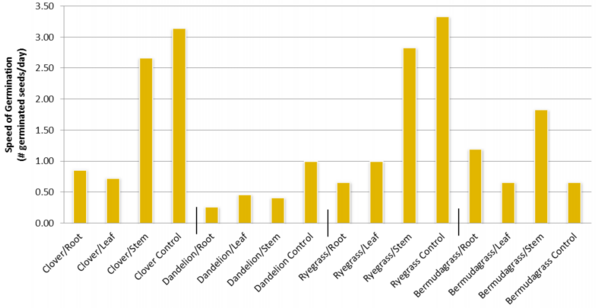
Plants in the wild compete with each other for nutrients and sunlight. Kudzu is a weed that is thought to secrete compounds that inhibit the growth of other plants. Here the authors find that certain parts of kudzu plants can block the germination of clover and dandelion seeds. These experiments may lead to a weed killer that is safe and naturally derived.

Read More...

High-throughput virtual screening of novel dihydropyrimidine monastrol analogs reveals robust structure-activity relationship to kinesin Eg5 binding thermodynamics

Shern et al. | Jan 20, 2021

High-throughput virtual screening of novel dihydropyrimidine monastrol analogs reveals robust structure-activity relationship to kinesin Eg5 binding thermodynamics

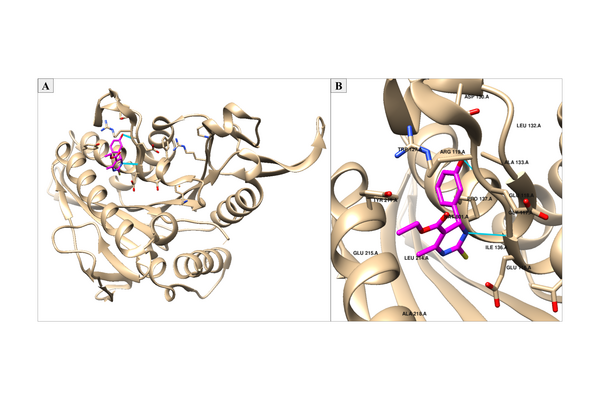
As cancer continues to take millions of lives worldwide, the need to create effective therapeutics for the disease persists. The kinesin Eg5 assembly motor protein is a promising target for cancer therapeutics as inhibition of this protein leads to cell cycle arrest. Monastrol, a small dihydropyrimidine-based molecule capable of inhibiting the kinesin Eg5 function, has attracted the attention of medicinal chemists with its potency, affinity, and specificity to the highly targeted loop5/α2/α3 allosteric binding pocket. In this work, we employed high-throughput virtual screening (HTVS) to identify potential small molecule Eg5 inhibitors from a designed set of novel dihydropyrimidine analogs structurally similar to monastrol.

Read More...

The Effects of Antioxidants on the Climbing Abilities of Drosophila melanogaster Exposed to Dental Resin

Prashanth et al. | Jan 17, 2019

The Effects of Antioxidants on the Climbing Abilities of <em>Drosophila melanogaster</em> Exposed to Dental Resin

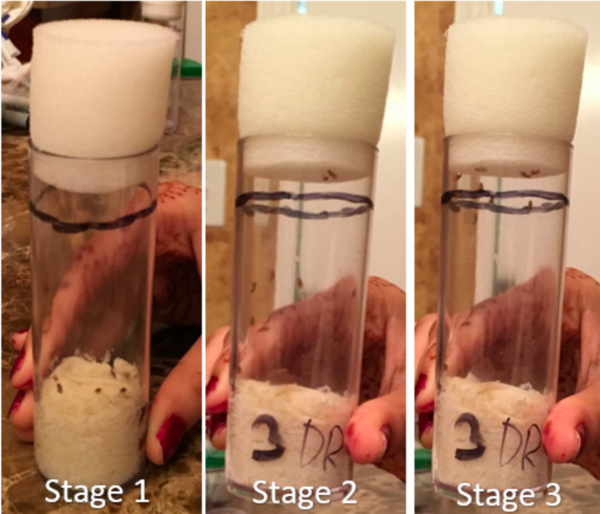
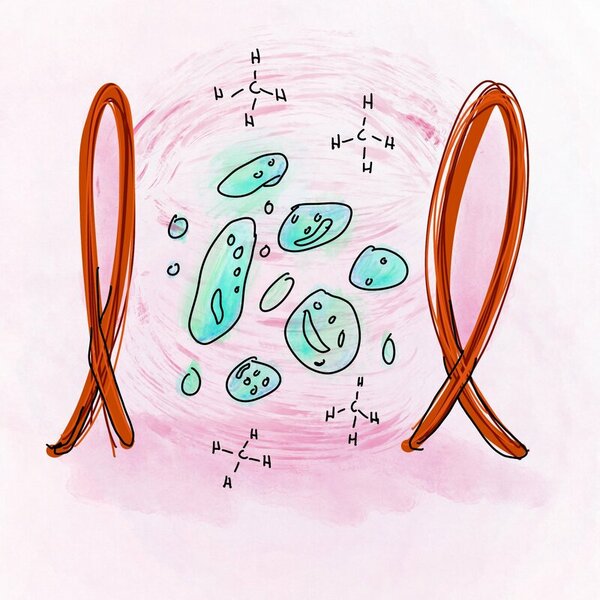
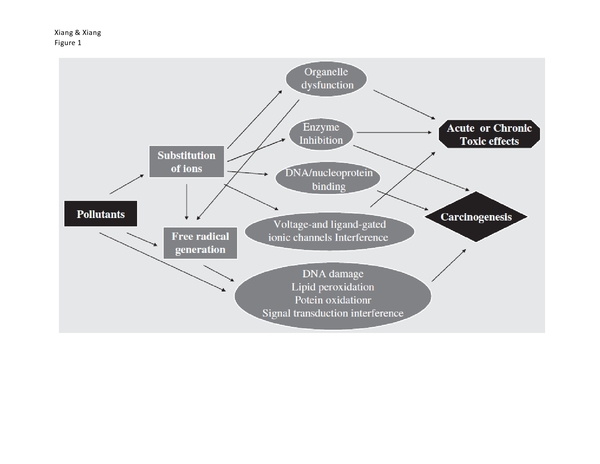
Dental resins can be a source of reactive oxygen species (ROS) which in unruly amounts can be toxic to cellular and overall health. In this report, the authors test whether the consumption of antioxidant rich foods like avocado and asparagus can protect against the effect of dental resin-derived ROS. However, rather than testing humans, they use fruit flies and their climbing abilities as an experimental readout.

Read More...

Detection and Control of Spoilage Fungi in Refrigerated Vegetables and Fruits

Chari et al. | May 16, 2021

Detection and Control of Spoilage Fungi in Refrigerated Vegetables and Fruits

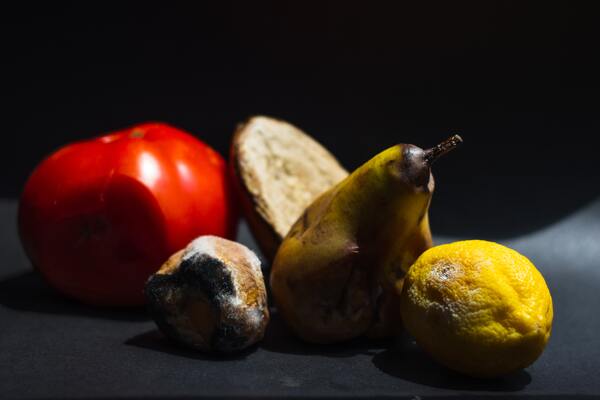
Food spoilage leads to a significant loss in agricultural produce each year. Here, the authors investigate whether certain essential oils can protect against fungus-mediated spoilage of fruits and vegetables. Their results suggest that the compounds they tested might indeed inhibit fungal growth, at various temperatures, a promising result that could reduce food wasting.

Read More...

Peptidomimetics Targeting the Polo-box Domain of Polo-like Kinase 1

Jang et al. | Aug 19, 2016

Peptidomimetics Targeting the Polo-box Domain of Polo-like Kinase 1

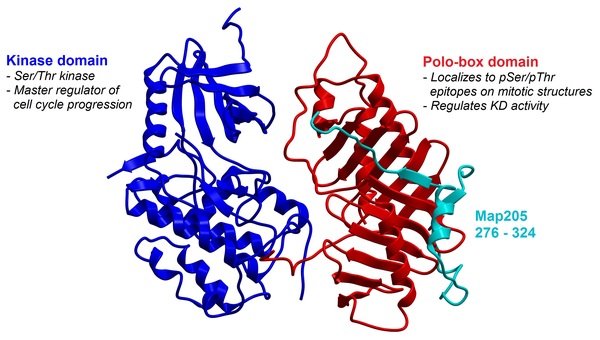
Polo-like kinase 1 (Plk1) is a master regulator of mitosis, initiating key steps of cell cycle regulation, and its overexpression is associated with certain types of cancer. In this study, the authors carefully designed peptides that were able to bind to Plk1 at a location that is important for its proper localization and function. Future studies could further develop these peptides to selectively target Plk1 in cancer cells and induce mitotic arrest.

Read More...

Spectrophotometric comparison of 4-Nitrophenyl carbonates & carbamates as base-labile protecting groups

Kocalar et al. | Dec 12, 2022

Spectrophotometric comparison of 4-Nitrophenyl carbonates & carbamates as base-labile protecting groups

In organic synthesis, protecting groups are derivatives of reactive functionalities that play a key role in ensuring chemoselectivity of chemical transformations. To protect alcohols and amines, acid-labile tert-butyloxycarbonyl protecting groups are often employed but are avoided when the substrate is acid-sensitive. Thus, orthogonal base-labile protecting groups have been in demand to enable selective deprotection and to preserve the reactivity of acid-sensitive substrates. To meet this demand, we present 4-nitrophenyl carbonates and carbamates as orthogonal base-labile protecting group strategies.

Read More...

Investigating KNOX Gene Expression in Aquilegia Petal Spur Development

Hossain et al. | Feb 03, 2014

Investigating KNOX Gene Expression in Aquilegia Petal Spur Development

Plants, and all other multi-cellular organisms, develop through the coordinated action of many sets of genes. The authors here investigate the genes, in a class named KNOX, potentially responsible for organizing a certain part of Aquilegia (columbine) flowers called petal spurs. Through the technique Reverse Transcription-Polymerase Chain Reaction (RT-PCR), they find that certain KNOX genes are expressed non-uniformly in petal spurs, suggesting that they may be involved, perhaps in a cell-specific manner. This research will help guide future efforts toward understanding how many beautiful flowers develop their unique shapes.

Read More...