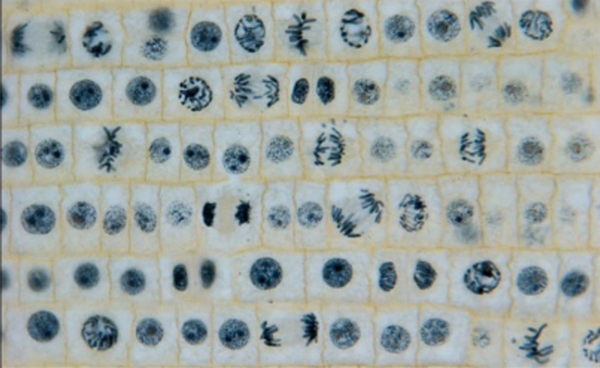
UV-B radiation due to the depletion of ozone threatens plant life, potentially damaging ecosystems and dismantling food webs. Here, the impact of UV-B radiation on the physiology and morphology of Allum cepa, the common onion, was assessed. Mitosis vitality decreased, suggesting UV-B damage can influence the plant’s physiology.
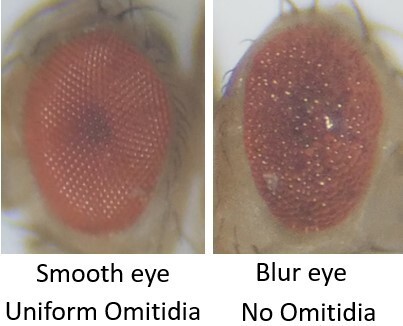
In this work, the authors compared the effects of common natural products, including sesame, cinnamon, garlic, moringa and turmeric on tumor growth in Drosophila eyes. The data showed that these natural products cannot be used to reduce tumor growth once it has completely formed. However, the data suggested that some natural products can reduce cancer cell growth when tumors are treated early.
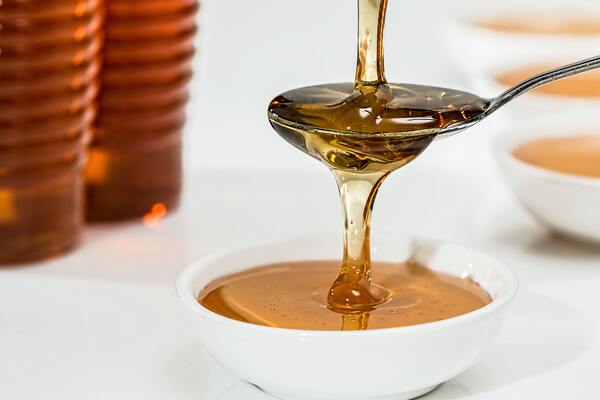
Chronic bad breath, or halitosis, is a problem faced by nearly 50% of the general poluation, but existing treatments such as liquid mouthwash or sugar-free gum are imperfect and temporary solutions. In this study, the authors investigate potential alternative treatments using natural ingredients such as Manuka Honey and Licorice root extract. They found that Manuka honey is almost as effective as commercial mouthwashes in reducing the growth of P gingivalis (one of the main bacteria that causes bad breath), while Licorice root extract was largely ineffective. The authors' results suggest that Manuka honey is a promising candidate in the search for new and improved halitosis treatments.
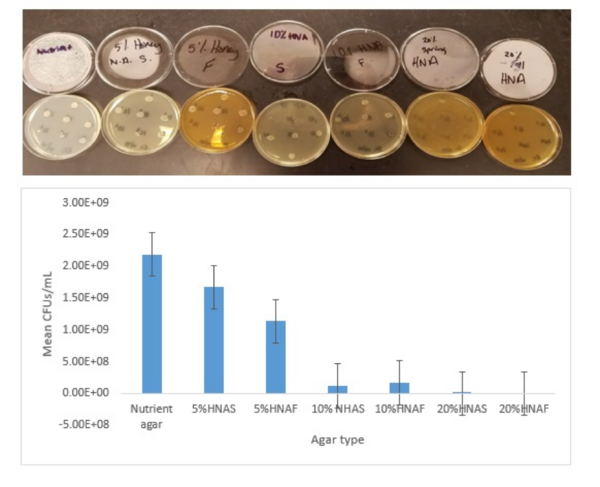
In this study, locally produced fall and spring honeys were tested to determine whether there was a significant difference in their abilities to limit or prevent bacterial growth of E. coli, S. aureus, P. aeruginosa, and S. epidermidis.
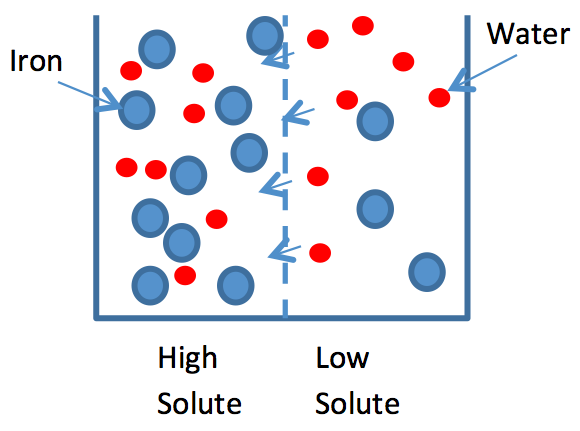
Minerals such as iron are essential for life, but too much of a good thing can be poisonous. Here the authors investigate the effect of iron concentrations on the growth of an aquatic plant and find that supplementing small amounts of iron can help, but adding too much can be bad for the plant. These results should help inform decisions on allowable iron concentrations in the environment, aquatic farming, and even home aquariums.
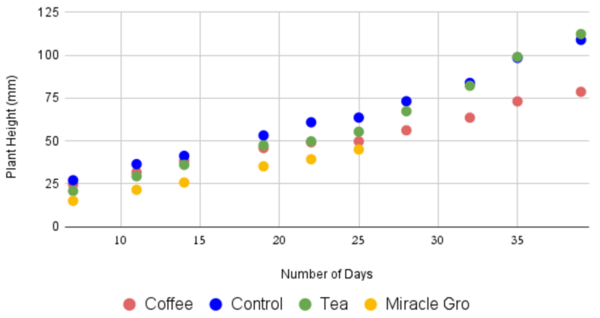
The authors looked at fertilizer derived from coffee ground tea leaves, measuring the effectiveness by measuring the height, weight, and number of leaves on basil plants.
Treatments inhibiting Notch signaling pathways have been explored by researchers as a new approach for the treatment of glioblastoma tumors, which is a fast-growing and aggressive brain tumor. Recently, retinoic acid (RA) therapy, which inhibits Notch signaling, has shown a promising effect on inhibiting glioblastoma progression. RA, which is a metabolite of vitamin A, is very important in embryonic cellular development, which includes the regulation of multiple developmental processes, such as brain neurogenesis. However, high doses of RA treatment caused many side effects such as headaches, nausea, redness around the injection site, or allergic reactions. Therefore, we hypothesized that a combination treatment of RA and siRNA targeting NOTCH1 (siNOTCH1), the essential gene that activates Notch signaling, would effectively inhibit brain cancer cell proliferation. The aim of the study was to determine whether inhibiting NOTCH1 would inhibit the growth of brain cancer cells by cell viability assay. We found that the combination treatment of siNOTCH1 and RA in low concentration effectively decreased the NOTCH1 expression level compared to the individual treatments. However, the combination treatment condition significantly decreased the number of live brain cancer cells only at a low concentration of RA. We anticipate that this novel combination treatment can provide a solution to the side effects of chemotherapy.
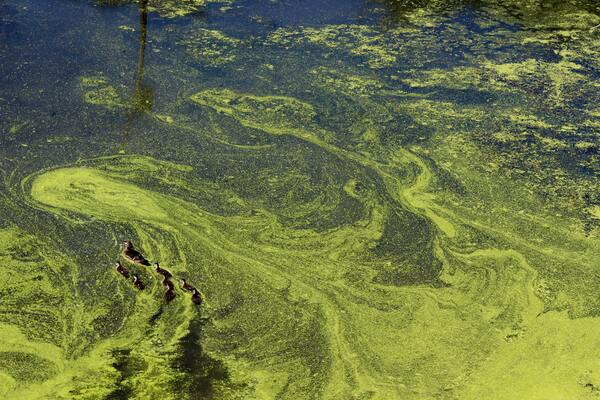
Algal overgrowth often threatens to clog irrigation pipes and drinking water lines when left unchecked, as well as releasing possible toxins that threaten plant and human health. It is thus important to find natural, non-harmful agents that can decrease algal growth without threatening the health of plants and humans. In this paper, the authors test the efficacy of barely extract in either liquid or pellet form in decreasing algal growth. While their results were inconclusive, the experimental set-up allows them to investigate a wider range of agents as anti-algal treatments that could potentially be adopted on a wider scale.
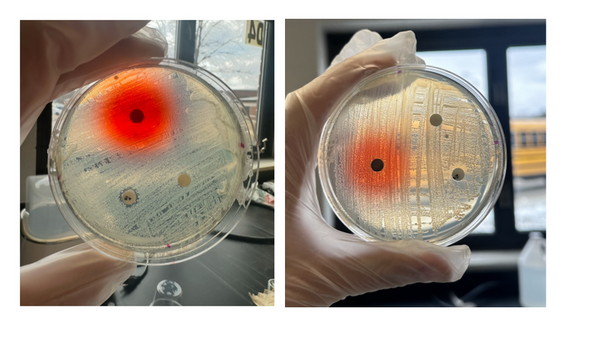
Here the authors aimed to compare the effects of artificial Allura Red AC dye and natural cochineal dye on the growth of Escherichia coli and Bacillus coagulans bacteria. Their research found that only Allura Red AC dye significantly affected bacterial growth, specifically amplifying E. coli growth. Based on their results, they suggest that Allura Red AC dye may increase the growth of E. coli bacteria within the human gut.
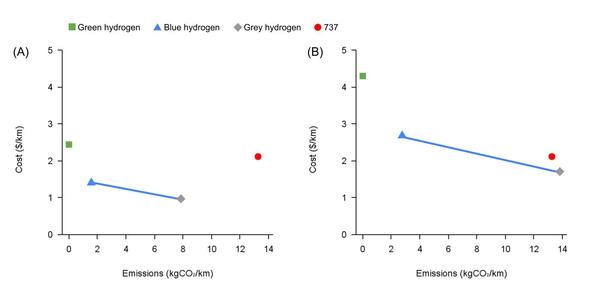
Growing climate concerns have intensified research into zero-emission transportation fuels, notably hydrogen. Hydrogen is considered a clean fuel because its only major by-product is water. This project analyzes how hydrogen compares to kerosene as a commercial aircraft fuel with respect to cost, CO2 emissions, and flight range.