Browse Articles

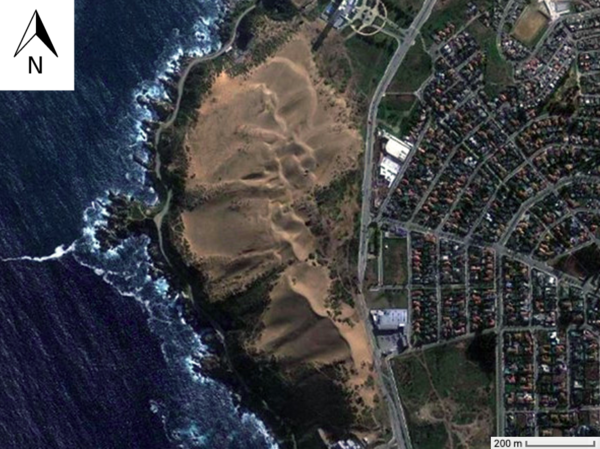
Dune flora can emerge from seed islands (Concon, Chile)

Farías Giusti-Bilz et al. | Dec 07, 2020

Dune flora can emerge from seed islands (Concon, Chile)

In the field of ecology, little is known about how plant communities originate. Through the process of characterizing dunes, mounds of sand formed by the wind, and their plant communities we can get to know the physiognomy and floristic composition of the territory. Based on the hypothesis that dune flora can emerge from seed islands: holes in the sand 6 cm deep containing a mixture of seeds, broken branches of shrubbery, and rabbit feces, during spring, the authors determined the composition of 20 seed islands in the sand dunes of Concon, Chile and measured how many seeds germinated in each one.

Read More...

The growth of bacteria on everyday objects and the antimicrobial effects of household spices

Daehan Yi et al. | Apr 29, 2026

The growth of bacteria on everyday objects and the antimicrobial effects of household spices
Image credit: Daehan Yi, Boughaleb Hassani and Ribeiro

The study investigates the antibacterial properties of household spices on bacteria isolated from everyday objects, aiming to address the limited understanding of bacterial resilience on surfaces and the potential of spices as antibacterial agents. Researchers hypothesized that bacteria would grow faster on some surfaces than others and that spices like honey, chili powder, turmeric, and sumac would inhibit bacterial growth at varying rates. The findings suggest that household spices possess significant antibacterial properties and could be used as emergency disinfectants, particularly in under-resourced settings. However, they cannot replace medical treatments but offer insights into alternative health solutions using common ingredients.

Read More...

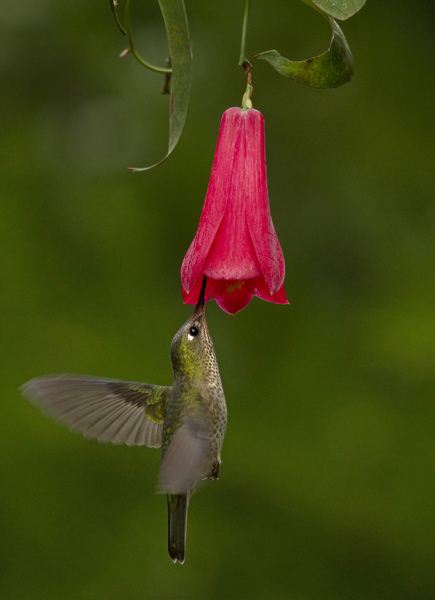
Pollination Patterns by Green-Backed Firecrown Hummingbirds

Freeland et al. | May 28, 2020

Pollination Patterns by Green-Backed Firecrown Hummingbirds

The Green-backed Firecrown hummingbird is an essential pollinator in the temperate rainforests of southern South America. However, little is known about the ecology of these birds. Authors examined the foraging patterns of these birds identifying interesting differences in foraging patterns among season, age and sex.

Read More...