Browse Articles

Evaluating Biomarkers and Treatments for Acute Kidney Injury in a Zebrafish Model

Mathew et al. | Aug 11, 2019

Evaluating Biomarkers and Treatments for Acute Kidney Injury in a Zebrafish Model

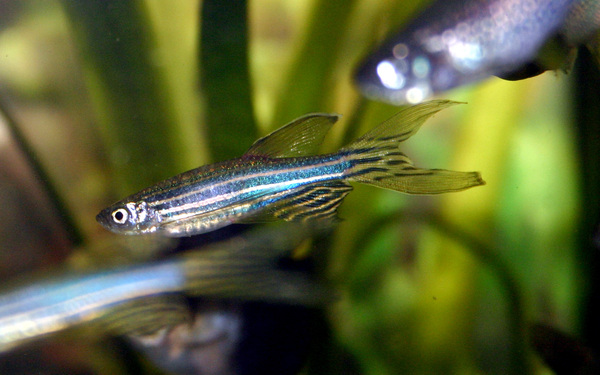
Coronary Artery Disease (CAD) is the leading cause of death in the United States, and 81% of Acute Kidney Injury (AKI) patients in the renal fibrosis stage later develop CAD. In this study, Mathew and Joykutty aimed to create a cost-effective strategy to treat AKI and thus prevent CAD using a model of the zebrafish, Danio rerio. They first tested whether AKI is induced in Danio rerio upon exposure to environmental toxins, then evaluated nitrotyrosine as an early biomarker for toxin-induced AKI. Finally, they evaluated 4 treatments of renal fibrosis, the last stage of AKI, and found that the compound SB431542 was the most effective treatment (reduced fibrosis by 99.97%). Their approach to treating AKI patients, and potentially prevent CAD, is economically feasible for translation into the clinic in both developing and developed countries.

Read More...
Comparing Suturing And Stapling In Coronary Bypass Grafting Anastomosis

Levy et al. | Oct 13, 2014

Comparing Suturing And Stapling In Coronary Bypass Grafting Anastomosis

Coronary artery bypass grafts are a common technique to treat coronary heart disease. The authors compared the efficacy of suturing and stapling techniques using an artificial heart pump and silicone tubing and found that suturing, while more time and skill intensive, held pressure in the tubing better than stapling.

Read More...

Algorithmic barriers: Investigating student perceptions of AI bias in subjective “culture fit” hiring

Mahatara et al. | May 25, 2026

Algorithmic barriers: Investigating student perceptions of AI bias in subjective “culture fit” hiring
Image credit: JonTyson

This study investigated perceptions of the emerging workforce toward the use of artificial intelligence in hiring, specifically for assessing subjective "culture fit." Through a mixed-methods survey of 150 high school and early-college students in Nepal, we found a significant disconnect between organizational adoption of AI and the profound skepticism of young job candidates, who express deep concerns about fairness, transparency, and the potential for AI to perpetuate systemic discrimination.

Read More...

The effects of cochineal and Allura Red AC dyes on Escherichia coli and Bacillus coagulans growth

Palmatier et al. | Jun 29, 2025

The effects of cochineal and Allura Red AC dyes on <i>Escherichia coli</i> and <i>Bacillus coagulans</i> growth

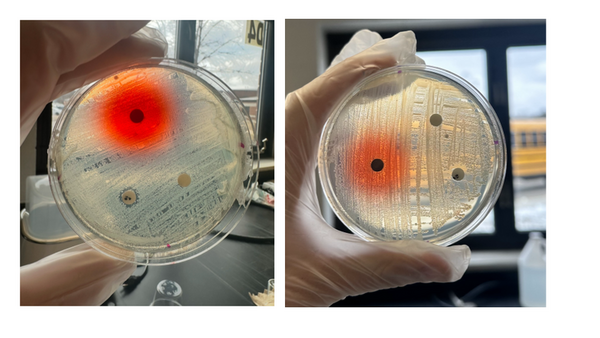
Here the authors aimed to compare the effects of artificial Allura Red AC dye and natural cochineal dye on the growth of Escherichia coli and Bacillus coagulans bacteria. Their research found that only Allura Red AC dye significantly affected bacterial growth, specifically amplifying E. coli growth. Based on their results, they suggest that Allura Red AC dye may increase the growth of E. coli bacteria within the human gut.

Read More...

Impacts of the gut microbiota on arginine synthesis

Lane et al. | Aug 15, 2024

Impacts of the gut microbiota on arginine synthesis

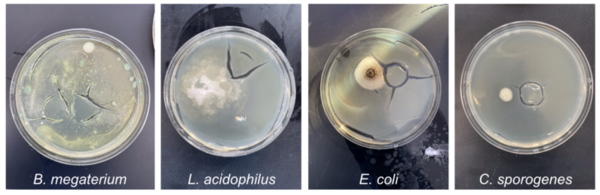
In this article the authors looked at arginine synthesis across different bacteria commonly found in different regional diets. They found that B. megaterium and C. sporogenes both caused a higher pH to occur on their agar plates compared to other bacteria tested indicating a greater amount of arginine synthesis.

Read More...