
Because humans live in societies, they may feel social pressure to conform to majority opinions. This follow-up study explores whether teenagers are likely to change their opinions to match others’, particularly in ambiguous situations.
Read More...Majority and Minority Influence in Teenagers for Different Social Dilemmas
Because humans live in societies, they may feel social pressure to conform to majority opinions. This follow-up study explores whether teenagers are likely to change their opinions to match others’, particularly in ambiguous situations.
Read More...The Role of Corresponding Race, Gender, and Species as Incentives for Charitable Giving

Inherent bias is often the unconscious driver of human behavior, and the first step towards overcoming these biases is our awareness of them. In this article the authors investigate whether race, gender or species affect the choice of charity by middle class Spaniards. Their conclusions serve as a starting point for further studies that could help charities refine their campaigns in light of these biases effectively transcending them or taking advantage of them to improve their fundraising attempts.
Read More...Improving Wound Healing by Breaking Down Biofilm Formation and Reducing Nosocomial Infections
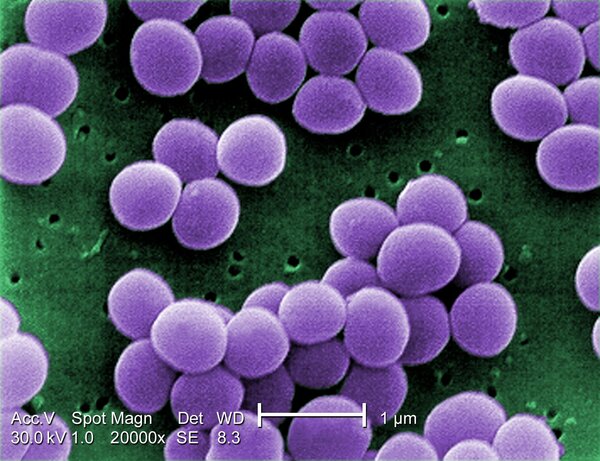
In a 10-year period in the early 2000’s, hospital-based (nosocomial) infections increased by 123%, and this number is increasing as time goes on. The purpose of this experiment was to use hyaluronic acid, silver nanoparticles, and a bacteriophage cocktail to create a hydrogel that promotes wound healing by increasing cell proliferation while simultaneously disrupting biofilm formation and breaking down Staphylococcus aureus and Pseudomonas aeruginosa, which are two strains of bacteria that attribute to nosocomial infections and are increasing in antibiotic resistance.
Read More...Pichia kudriavzevii Yeast Exposure Increases the Asthmatic Behavior of Alveolar Epithelial Cells In Vitro
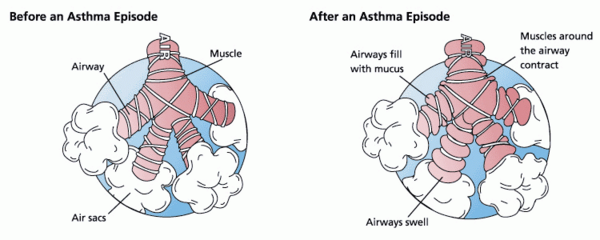
Asthma affects over 334 million people worldwide and is triggered by inhalation of environmental stimuli. The authors of this study characterized the effect of exposure to common spoilage yeast, Pichia kidriavzevii on alveolar epithelial cells. A direct correlation between infection duration and asthmatic status of these cells was found, indicating the potential for this yeast to be an environmental stimulus of asthma and warranting further study.
Read More...Assessing Materials’ Short-term Effectiveness on Controlling Zebra Mussel (Dreissena polymorpha) Attachment
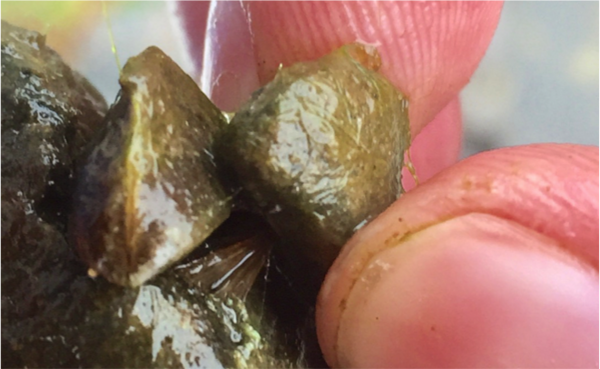
Zebra mussels are an aquatic invasive species. They attach to essential industrial structures and harm the native ecosystem, costing millions of dollars each year to control. This study explored the effectiveness of two nontoxic materials (Sharklet & Netminder) in combating zebra mussel attachment.
Read More...The Effect of Ultraviolet Radiation and the Antioxidant Curcumin on the Longevity, Fertility, and Physical Structure of Drosophila melanogaster: Can We Defend Our DNA?
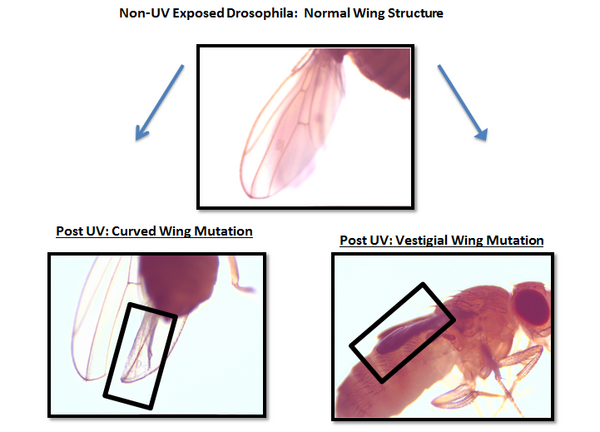
Ultraviolet (UV) radiation is known to alter DNA structure and impair cellular function in all living organisms. In this study, Lateef et al examine the effects of UV radiation to determine whether antioxidant-enriched nutrition can combat the potential deleterious effects of UV radiation on Drosophila melanogaster. They found that UVB (320nm) radiation caused a 59% decrease in the Drosophila lifespan and mutagenic effects on flies' physical appearance, but did not significantly affect fertility. Curcumin significantly prolonged lifespan and enhanced fertility for both UV- and non-UV-exposed flies. The research demonstrates the positive potential of natural antioxidants as weapons against radiation-induced diseases including cancer.
Read More...The Effect of Caffeine on the Regeneration of Brown Planaria (Dugesia tigrina)
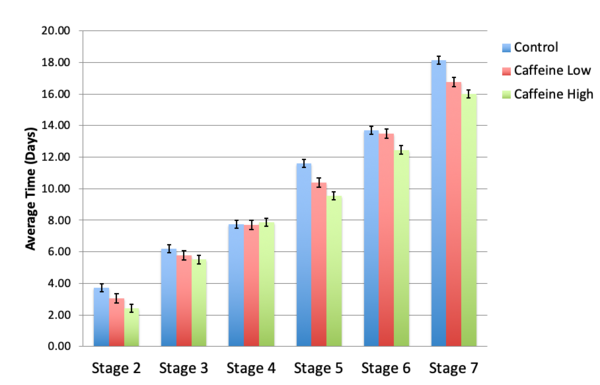
The degeneration of nerve cells in the brain can lead to pathologies such as Parkinson’s disease. It has been suggested that neurons in humans may regenerate. In this study, the effect of different doses of caffeine on regeneration was explored in the planeria model. Caffeine has been shown to enhance dopamine production, and dopamine is found in high concentrations in regenerating planeria tissues. Higher doses of caffeine accelerated planeria regeneration following decapitation, indicating a potential role for caffeine as a treatment to stimulate regeneration.
Read More...Cytokine Treatment for Myocarditis May Directly Impact Cardiomyocytes Negatively
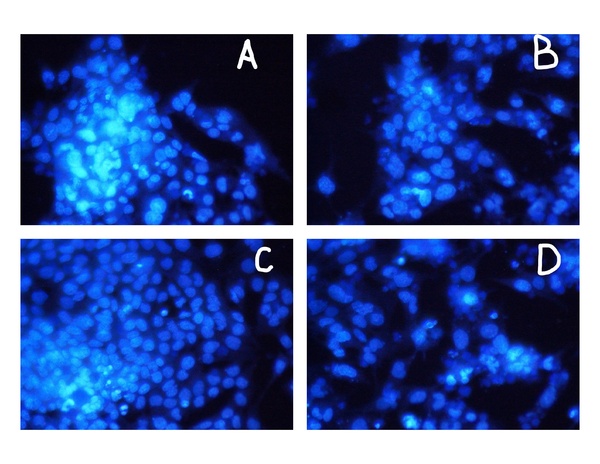
The purpose of our study was to determine if direct administration of CXCL1/KC to cardiomyocytes causes negative changes to cell density or proliferation. This molecule has been shown to reduce inflammation in certain instances. Homocysteine models the direct effect of an inflammatory agent on cardiomyocytes. Our question was whether these molecules directly impact cell density through an interaction with the cell proliferation process. We hypothesized that cells treated with CXCL1/KC would maintain the same cell density as untreated cells. In contrast, cells treated with Homocysteine or both Homocysteine and CXCL1/KC, were expected to have a higher cell density that than that of untreated cells.
Read More...3D Printed Polymer Scaffolds for Bone Tissue Regeneration
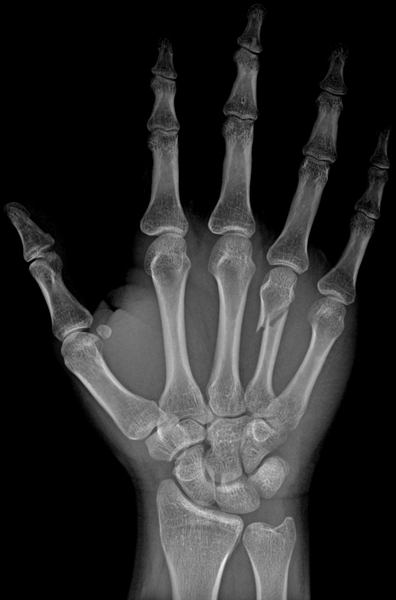
Scientists are always on the quest to improve the body's healing abilities and broken bones are no exception. In this article, the authors investigate properties of 3D-printed biocompatible polymers used to improve bone healing. With such efforts, we can hope to, one day, improve bone scaffolding materials in ways that make the natural healing processes more efficient, reducing the time needed for recovery from bone fractures.
Read More...Examining What Causes Perceived Dissonance in Musical Intervals and the Effect of Timbre on Dissonance

Music is an important part of the day for many of us, but what makes some combinations of sound more pleasant to the ear than others? In this article the authors investigate the role of some characteristics of sound on the perception of a pleasant vs harsh musical note.
Read More...