The authors computationally screened potential ALDH1 inhibitors, for use as potential cancer therapeutics.
Read More...In silico screening of DEAB analogues as ALDH1 isoenzymes inhibitors in cancer treatment
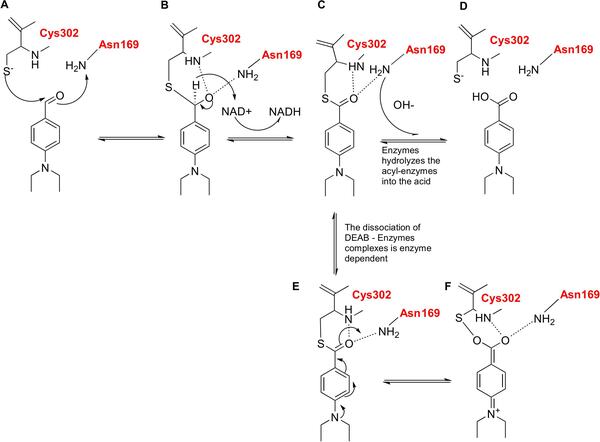
The authors computationally screened potential ALDH1 inhibitors, for use as potential cancer therapeutics.
Read More...Addressing and Resolving Biases in Artificial Intelligence
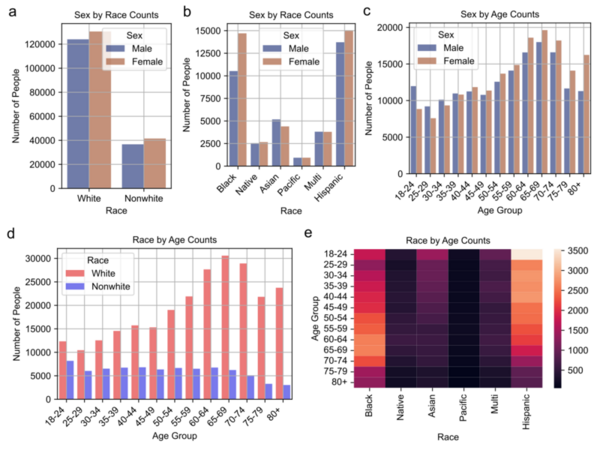
The authors explore how diversity in data sets contributes to bias in artificial intelligence.
Read More...Transfer Learning for Small and Different Datasets: Fine-Tuning A Pre-Trained Model Affects Performance
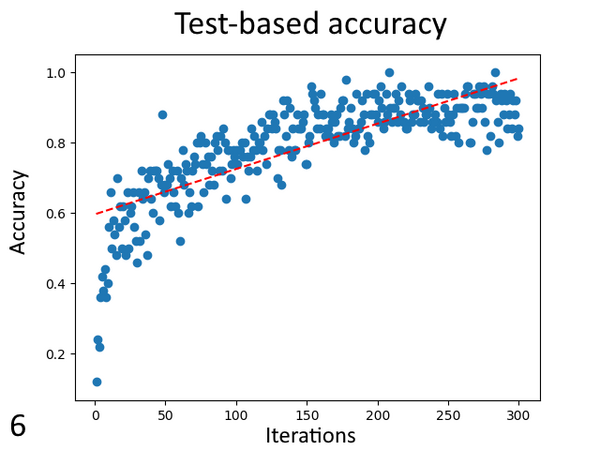
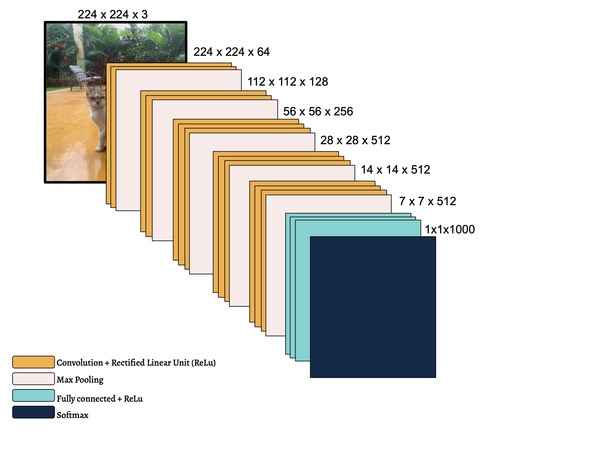
In this study, the authors seek to improve a machine learning algorithm used for image classification: identifying male and female images. In addition to fine-tuning the classification model, they investigate how accuracy is affected by their changes (an important task when developing and updating algorithms). To determine accuracy, a set of images is used to train the model and then a separate set of images is used for validation. They found that the validation accuracy was close to the training accuracy. This study contributes to the expanding areas of machine learning and its applications to image identification.
Read More...Trajectories Between Cigarette Smoking and Electronic Nicotine Delivery System Use Among Adults in the U.S.
In this study, the authors characterized the trends of cigarette use amongst people who do and don't use electronic nicotine delivery systems (or ENDS). This was done to help determine if the use of ENDS is aiding in helping smokers quit, as the data on this has been controversial. They found that use of ENDS among people either with or without previous cigarette usage were more likely to continue using cigarettes in the future. This is important information contributing to our understanding of ways to effectively (and not effectively) reduce cigarette use.
Read More...Artificial Intelligence Networks Towards Learning Without Forgetting
In their paper, Kreiman et al. examined what it takes for an artificial neural network to be able to perform well on a new task without forgetting its previous knowledge. By comparing methods that stop task forgetting, they found that longer training times and maintenance of the most important connections in a particular task while training on a new one helped the neural network maintain its performance on both tasks. The authors hope that this proof-of-principle research will someday contribute to artificial intelligence that better mimics natural human intelligence.
Read More...Ant Colony Optimization Algorithms with Multiple Simulated Colonies Offer Potential Advantages for Solving the Traveling Salesman Problem and, by Extension, Other Optimization Problems
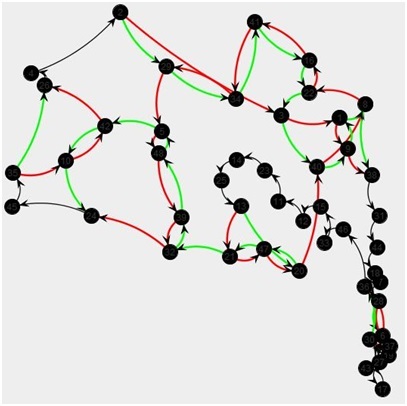
Ant colony optimization algorithms simulate ants moving from point to point on a graph and coordinate their actions, similar to ants laying down pheromones to strengthen a path as it is used more frequently. These ACO algorithms can be applied to the classic traveling salesman problem, which aims to determine the lowest-cost path through a given set of points on a graph. In this study, a novel multiple-colony system was developed that uses multiple simulated ant colonies to generate improved solutions to the traveling salesman problem.
Read More...Using broad health-related survey questions to predict the presence of coronary heart disease
Coronary heart disease (CHD) is the leading cause of death in the U.S., responsible for nearly 700,000 deaths in 2021, and is marked by artery clogging that can lead to heart attacks. Traditional prediction methods require expensive clinical tests, but a new study explores using machine learning on demographic, clinical, and behavioral survey data to predict CHD.
Read More...Identifying Neural Networks that Implement a Simple Spatial Concept
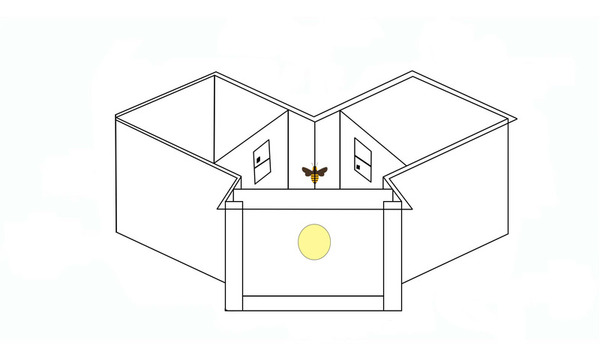
Modern artificial neural networks have been remarkably successful in various applications, from speech recognition to computer vision. However, it remains less clear whether they can implement abstract concepts, which are essential to generalization and understanding. To address this problem, the authors investigated the above vs. below task, a simple concept-based task that honeybees can solve, using a conventional neural network. They found that networks achieved 100% test accuracy when a visual target was presented below a black bar, however only 50% test accuracy when a visual target was presented below a reference shape.
Read More...