Ischemic stroke occurs when blood flow to the brain is interrupted, causing brain damage. This study investigated the effectiveness of different NOX inhibitors as treatments for ischemic stroke in silico. The results help corroborate previous in vivo and in vitro studies in an in silico format, and can be used towards developing drugs to treat ischemic stroke.
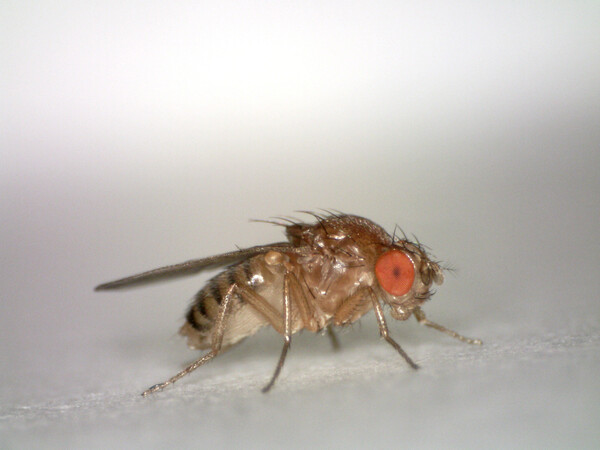
Sesame (Sesamum indicum) and moringa (Moringa oleifera) have natural antioxidants that could prevent cancer growth. Previously, this group found that sesame and moringa individually suppress eye tumor grown in the Drosophila melanogaster model. In the present study, combinations of sesame and moringa at different concentrations were included in the D. melanogaster diet. The impact on eye tumor development was assessed at different stages of growth.
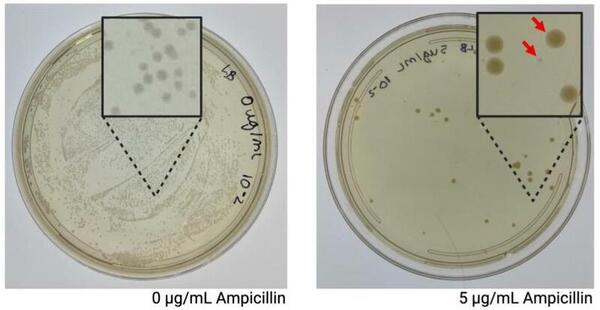
Here, the authors recognized the tendency of bacteria to form biofilms, where this behavior offers protection against threats such as antibiotics. To investigate this, they observed the effects of sublethal exposure of the antibiotic ampicillin on E. coli biofilm formation with an optical density crystal violet assay. They found that exposure to ampicillin resulted in the favored formation of biofilms over time, as free-floating bacteria were eradicated.
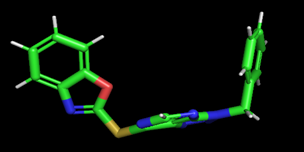
In this study, the authors design a series of new biaryl small molecules to target and block the binding pocket of the enzyme dihydropteroate synthase, which is important for prokaryotic biosynthesis of folic acid and could serve as better antimicrobial compounds.
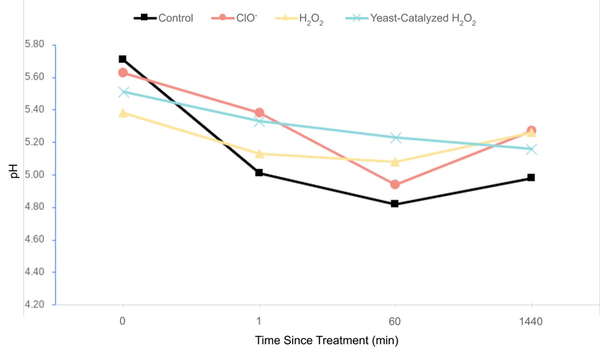
The authors looked at different treatments to clean up rainwater collected at home. They found that chlorine treatment and treatment with hydrogen peroxide catalyzed by yeast showed similar potential for cleaning up contaminated rainwater, but that further studies are needed to better assess impact on specific contaminant levels still present.
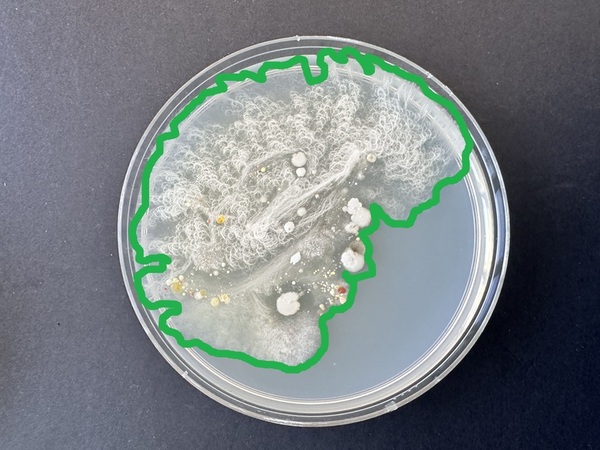
The authors tested environmentally-friendly alternatives to wastewater treatment chemicals, including activated charcoal for filtration and citrus peels for preventing bacterial growth.
Treatments inhibiting Notch signaling pathways have been explored by researchers as a new approach for the treatment of glioblastoma tumors, which is a fast-growing and aggressive brain tumor. Recently, retinoic acid (RA) therapy, which inhibits Notch signaling, has shown a promising effect on inhibiting glioblastoma progression. RA, which is a metabolite of vitamin A, is very important in embryonic cellular development, which includes the regulation of multiple developmental processes, such as brain neurogenesis. However, high doses of RA treatment caused many side effects such as headaches, nausea, redness around the injection site, or allergic reactions. Therefore, we hypothesized that a combination treatment of RA and siRNA targeting NOTCH1 (siNOTCH1), the essential gene that activates Notch signaling, would effectively inhibit brain cancer cell proliferation. The aim of the study was to determine whether inhibiting NOTCH1 would inhibit the growth of brain cancer cells by cell viability assay. We found that the combination treatment of siNOTCH1 and RA in low concentration effectively decreased the NOTCH1 expression level compared to the individual treatments. However, the combination treatment condition significantly decreased the number of live brain cancer cells only at a low concentration of RA. We anticipate that this novel combination treatment can provide a solution to the side effects of chemotherapy.
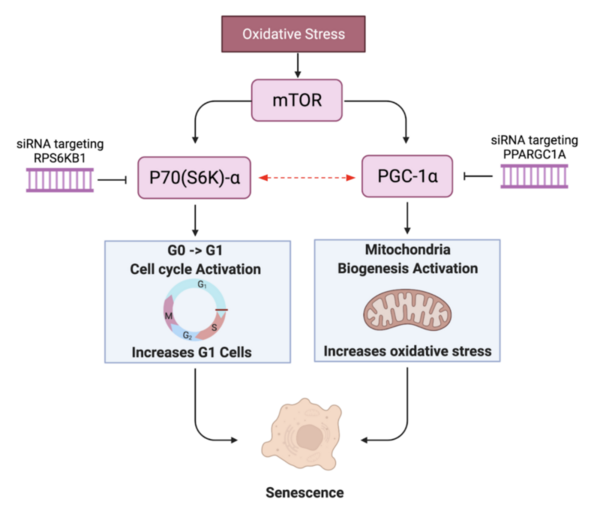
Cellular senescence plays a key role in aging cells and is attributed to a number of disease and pathology. These authors find that genetic editing of both RPS6KB1 and PPARGC1A revitalizes a human skin fibroblast cell line.
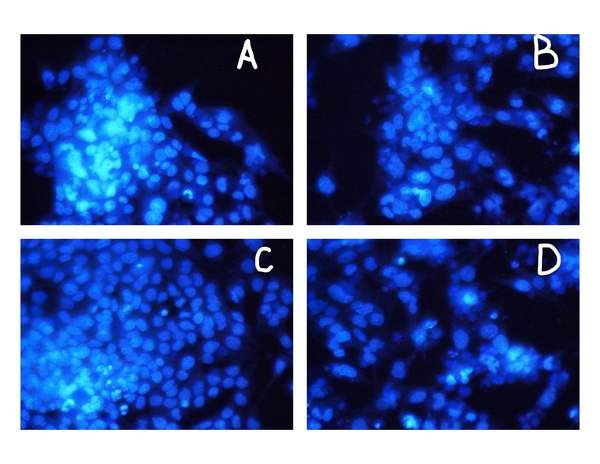
The purpose of our study was to determine if direct administration of CXCL1/KC to cardiomyocytes causes negative changes to cell density or proliferation. This molecule has been shown to reduce inflammation in certain instances. Homocysteine models the direct effect of an inflammatory agent on cardiomyocytes. Our question was whether these molecules directly impact cell density through an interaction with the cell proliferation process. We hypothesized that cells treated with CXCL1/KC would maintain the same cell density as untreated cells. In contrast, cells treated with Homocysteine or both Homocysteine and CXCL1/KC, were expected to have a higher cell density that than that of untreated cells.
.jpeg)