Browse Articles

Improving measurement of reducing sugar content in carbonated beverages using Fehling’s reagent

Zhang et al. | Jul 21, 2020

Improving measurement of reducing sugar content in carbonated beverages using Fehling’s reagent

The sugar-rich modern diet underlies a suite of metabolic disorders, most common of which is diabetes. Accurately reporting the sugar content of pre-packaged food and drink items can help consumers track their sugar intake better, facilitating more cognisant and, eventually, moderate consumption of high-sugar items. In this article, the authors examine the effect of several variables on the accuracy of Fehling's reaction, a colorimetric reaction used to estimate sugar content.

Read More...

Assaying the Formation of Beneficial Biofilms by Lactic Acid Bacteria and the Effect of Ayurvedic Plant Extracts on Their Enhancement

Rajpal et al. | Oct 12, 2017

Assaying the Formation of Beneficial Biofilms by Lactic Acid Bacteria and the Effect of Ayurvedic Plant Extracts on Their Enhancement

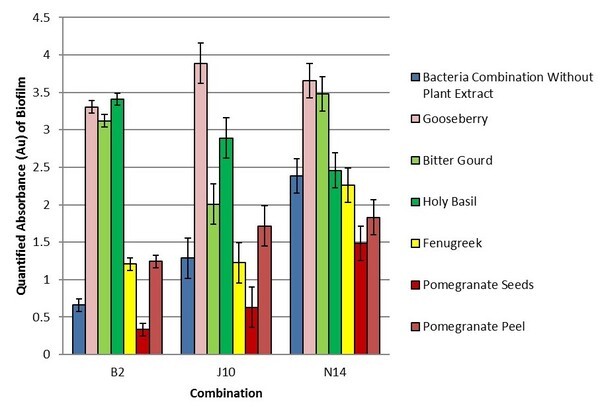
This study aimed to obtain an optimal non-antibiotic method to suppress the growth of pathogenic bacteria within the body. The two-fold purpose of this project was to determine which combination of bacteria would result in the most biofilm formation and then to assess the effect of ayurvedic plant extracts on the biofilm. The results show that the addition of a plant extract can affect the biofilm growth of a bacteria combination. The applications of this study can be used to design probiotic supplements with added beneficial plant extracts.

Read More...

Investigating toxicity and antimicrobial properties of silver nanoparticles in Escherichia coli and Drosophila melanogaster

Ghosh et al. | Dec 01, 2025

Investigating toxicity and antimicrobial properties of silver nanoparticles in <em>Escherichia coli</em> and <em>Drosophila melanogaster</em>
Image credit: Ghosh and Hendricks

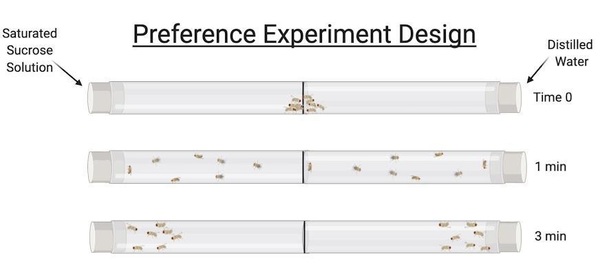
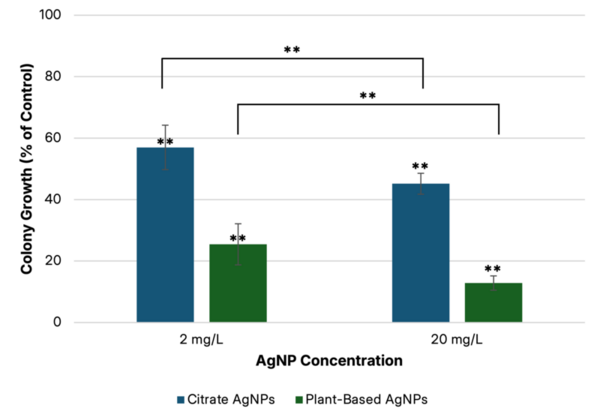
This paper looks at the antibacterial and toxic effects of silver nanoparticles (AgNPs) on Escherichia coli bacteria and Drosophila melanogaster fruit flies. They modified the AgNPs size, concentration, and surface coating to determine the effects on each of the organisms. For both organisms, increased AgNP concentration demonstrated increased toxicity but particle size and surface coating had opposing effects.

Read More...

The effect of bioenhancers on ampicillin-sulbactam as a treatment against A. baumannii

Balaji et al. | Sep 21, 2024

The effect of bioenhancers on ampicillin-sulbactam as a treatment against <i>A. baumannii<i>

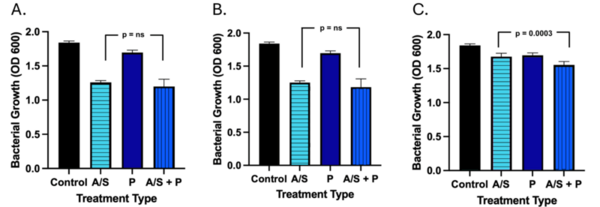
This article explores the potential of piperine, a bioenhancer from black pepper, to improve antibiotic efficacy against antibiotic-resistant Acinetobacter baumannii. By combining piperine with ampicillin-sulbactam, the study demonstrated a significant reduction in bacterial growth for most strains tested, showcasing the promise of bioenhancers in combating resistant pathogens. This research highlights the possibility of reducing the required antibiotic dosage, potentially offering a new strategy in the fight against drug-resistant bacteria.

Read More...

Impacts of the gut microbiota on arginine synthesis

Lane et al. | Aug 15, 2024

Impacts of the gut microbiota on arginine synthesis

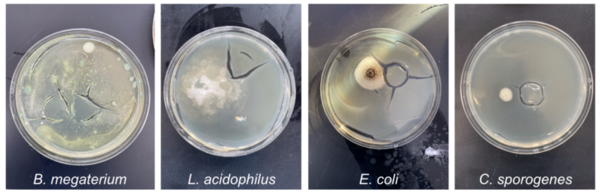
In this article the authors looked at arginine synthesis across different bacteria commonly found in different regional diets. They found that B. megaterium and C. sporogenes both caused a higher pH to occur on their agar plates compared to other bacteria tested indicating a greater amount of arginine synthesis.

Read More...