Understanding how bacteria respond to other bacteria could facilitate their ability to initiate and maintain their infectiousness. The phenomenon by which bacteria signal to each other via chemical signals is called quorum sensing, which could be targeted to deter bacterial infection in some cases if better understood. In this article, the authors study how a bacterium called V. fischeri uses quorum sensing to change bioluminescence, an easy readout that facilitates studying quorum sensing in this strain.
Heliobacter felis causes gastritis which is accompanied by a range of unpleasant symptoms in small animals such as cats. In order to identify effective antibiotics for treating H. felis infections, the researchers investigate whether a combination of different antibiotics is more effective than the use of individual antibiotics alone. Of the antibiotics they selected, Streptomycin alone was better than any other single antibiotic or in combination. Their results have not yet been validated in live animals, but suggest that Streptomycin alone might be an effective treatment of H. felis-induced gastritis in cats.
The authors investigated an important parasite-host relationship between the raccoon roundworm and the raccoon to understand how parasite prevalence is affected by location. They found that the parasite infection was more prevalent in raccoons found closer to human dwellings, though the number of roundworm eggs was not significantly different. These results are important human health, since roundworm infection is lethal to humans and can be transmitted from raccoons to humans - the authors suggest that more research into this parasite and awareness of its prevalence is needed to prevent disease.
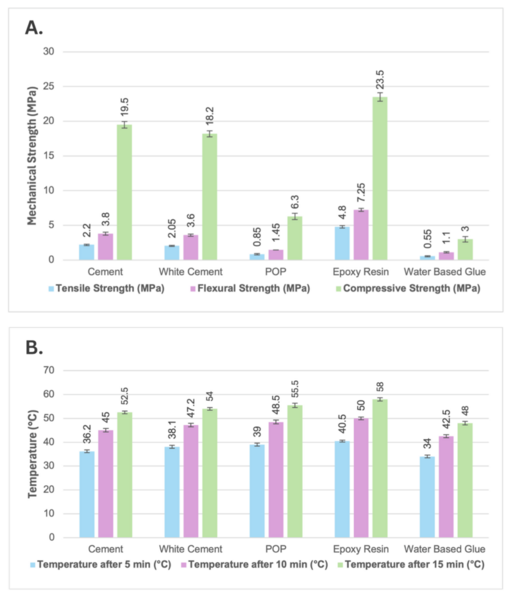
Textile waste from the fashion industry is a major environmental pollutant, but recycling waste into novel building material is a strategy to reduce the negative effects. This manuscript characterized five different binders that can be used to repurpose textile waste into bricks for construction purposes. Water-based glue, cement, white cement, plaster of Paris, and epoxy resin were mixed with shredded textile waste, and the mechanical characteristics and thermal insulation of each brick type were measured. Bricks with increased mechanical strength had the poorest thermal resistance, and the contrasting properties would suit different building purposes. This work provides a first step in generating recycled textile bricks for construction in a circular economy framework.
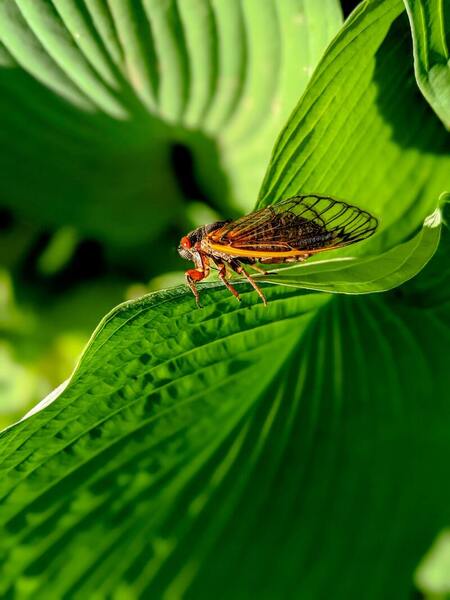
Here, seeking to understand a possible cause of the declining popluations of Brood X cicadas in Ohio and Indiana, the authors investigated the presence of Wolbachia, an inherited bacterial symbiont that lives in the reproductive cells of approximately 60% of insect species in these cicadas. Following their screening of one-hundred 17-year periodical cicadas, they only identified the presence of Wolbachia infection in less than 2%, suggesting that while Wolbachia can infect cicadas it appears uncommon in the Brood X cicadas they surveyed.
With the COVID-19 pandemic necessitating the transition to remote learning, disruption to daily school routine has impacted educational experiences on a global scale. As a result, it has potentially worsened reading achievement gaps typically exacerbated by long summer months. To address literacy skill retention and pandemic-induced social isolation, the non-profit organization ByKids4Kids has created a reading program, “Kindles4Covid Virtual Reading Buddies Program,” to instill a structure for youth to read together and connect with the convenience of Amazon Kindle devices. In this article, the authors determine the efficacy of their invaluable program by assessing changes in reading frequency and self-reported connectedness among program participants.
In this article, the authors investigate the effects of fungus E. muscae on fruit fly behavior. More specifically, they investigate whether this fungus affects olfaction. Their findings contribute to a broader set of studies seeking to understand how host's central nervous systems can be affected by infections.
Physical activity when performed regularly has beneficial effects on all systems of the body, including pulmonary functions. This study, conducted at Springdales School in Dhaula Kuan, New Delhi, aimed to determine the effect of sports and singing on the vital capacity (the maximum amount of air a person can expel from the lungs after a maximum inhalation), an important measure of pulmonary health.
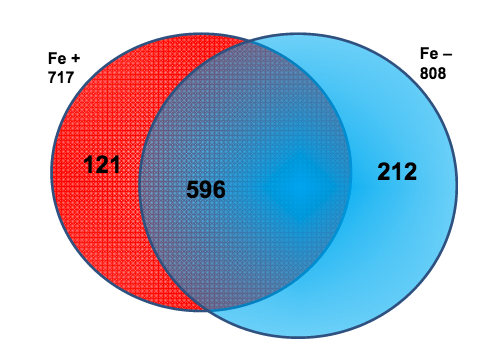
In many areas of the world’s oceans, diatoms such as Thalassiosira pseudonana are limited in growth by the availability of iron (Fe), which is an essential nutrient for diatoms. The authors of this study examined if Fe-limitation makes a significant difference in the proteins expressed within the chloroplast, the power source for diatoms, utilizing a new plastid isolation technique specific to diatoms and completing 14 mass spectrometry experiments.
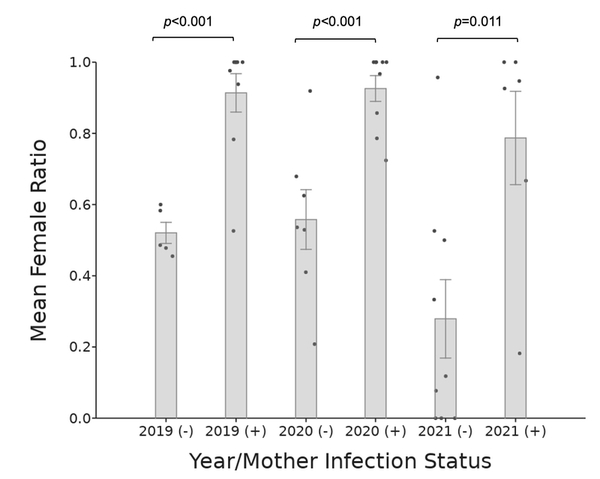
Wolbachia pipientis (Wolbachia) is a maternally inherited endosymbiotic bacterium that infects over 50% of arthropods, including pillbugs, and acts as a reproductive parasite in the host. In the common terrestrial pillbug Armadillidium vulgare (A. vulgare), Wolbachia alters the sex ratio of offspring through a phenomenon called feminization, where genetic males develop into reproductive females. Previous studies have focused on the presence or absence of Wolbachia as a sex ratio distorter in laboratory cultured and natural populations mainly from sites in Europe and Japan. Our three-year study is the first to evaluate the effects of the Wolbachia sex ratio distorter in cultured A. vulgare offspring in North America. We asked whether Wolbachia bacteria feminize A. vulgare isopod male offspring from infected mothers and if this effect can be detected in F1 offspring by comparing the male/female offspring ratios. If so, the F1 offspring ratio should show a higher number of females than males compared to the offspring of uninfected mothers. Over three years, pillbug offspring were cultured from pregnant A. vulgare females and developed into adults. We determined the Wolbachia status of mothers and counted the ratios of male and female F1 progeny to determine feminization effects. In each year sampled, significantly more female offspring were born to Wolbachia-infected mothers than those from uninfected mothers. These ratio differences suggest that the Wolbachia infection status of mothers directly impacts the A. vulgare population through the production of reproductive feminized males, which in turn provides an advantage for further Wolbachia transmission.

_(1).jpg)