An in silico molecular analysis of the antifungal properties of Ageratum conyzoides
(1) Okinawa Christian School International
https://doi.org/10.59720/25-011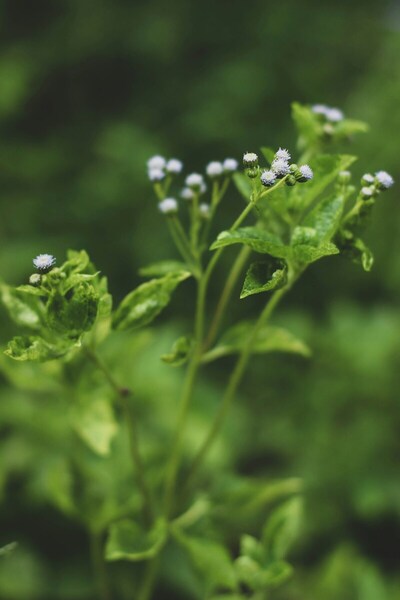

Fungal infections in crops caused by Fusarium species pose serious threats to food security and agricultural productivity, driving the need for effective and selective antifungal agents. One promising candidate is precocene II, a plant-derived compound from Ageratum conyzoides, which has been reported to exhibit antifungal properties. However, little is known about the precise molecular mechanism by which precocene II exerts its antifungal effects, particularly against enzymes involved in fungal self-protection. In this study, we investigated the intermolecular interactions between precocene II and trichothecene 3-O-acetyltransferase (Tri101), an enzyme used by Fusarium fungi to detoxify their own mycotoxins. We used molecular docking simulations through SwissDock and visualized ligand–protein interactions using the Python Molecular Graphics System (PyMOL) to analyze five top binding positions based on predicted binding affinity. Four out of five simulated positions showed hydrogen bonding interactions involving tyrosine and arginine residues near the enzyme's active site. These findings suggest that precocene II may inhibit Tri101 by binding to catalytically important residues, potentially interfering with the fungus’s ability to neutralize its own toxins. This supports the antifungal potential of A. conyzoides and lays the groundwork for future design of targeted antifungal compounds.
This article has been tagged with: