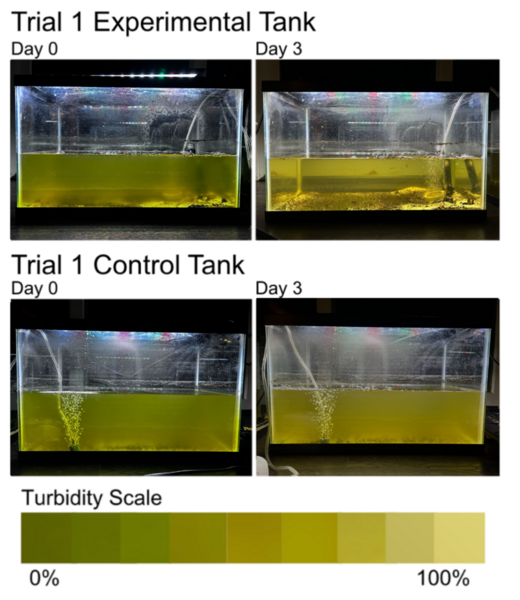
The authors studied the ability of freshwater clams to improve water quality.
Read More...Evaluating the filtration efficiency and water quality impact of Corbicula javanicus
Toxicity of aminomethylphosphonic acid via the Wnt signaling pathway as a novel mechanism

The Wnt signaling pathway, known to coordinate important aspects of cellular homeostasis ranging from differentiation, proliferation, migration, and much more, is dysregulated in many human diseases. This study demonstrates that aminomethylphosphonic acid, which is the main metabolite found in the common herbicide Glyphosate, is toxic to planaria and capable of binding to canonical Wnt proteins.
Read More...How CAFOs affect Escherichia coli contents in surrounding water sources
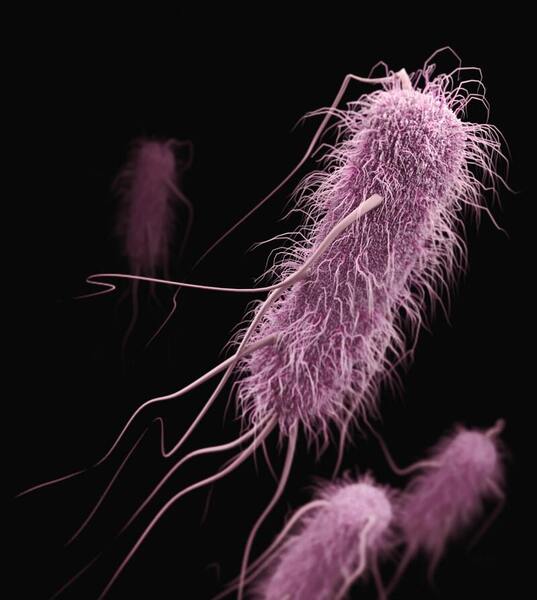
Commercial Concentrated Animal Feeding Operations (CAFOs) produce large quantities of waste material from the animals being housed in them. These feedlots found across the United States contain livestock that produce waste that results in hazardous runoff. This study examines how CAFOs affect water sources by testing for Escherichia Coli (E. coli) content in bodies of water near CAFOs.
Read More...The effect of microplastics on the speed, mortality rate, and swimming patterns of Daphnia Magna
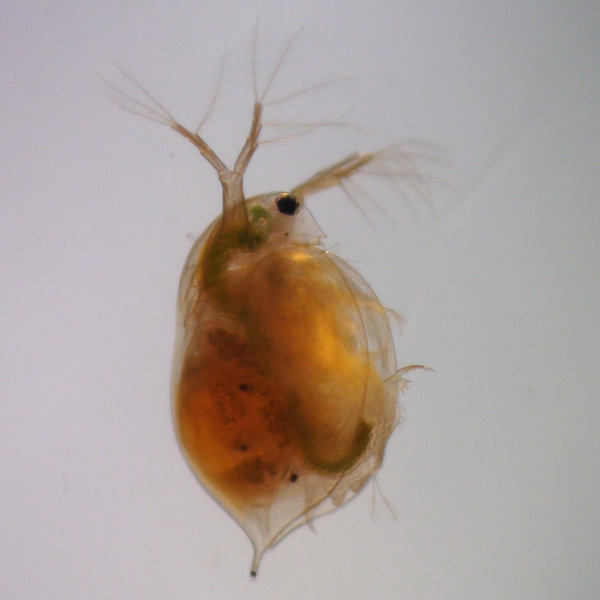
In this study, the authors investigate the effects that microplastics (which pollute fresh and saltwater ecosystems) have on plankton species Daphnia Magna by measuring their movement and viability.
Read More...Integration of iron oxide nanoparticles into high-density polyethylene for sustainable cup coatings
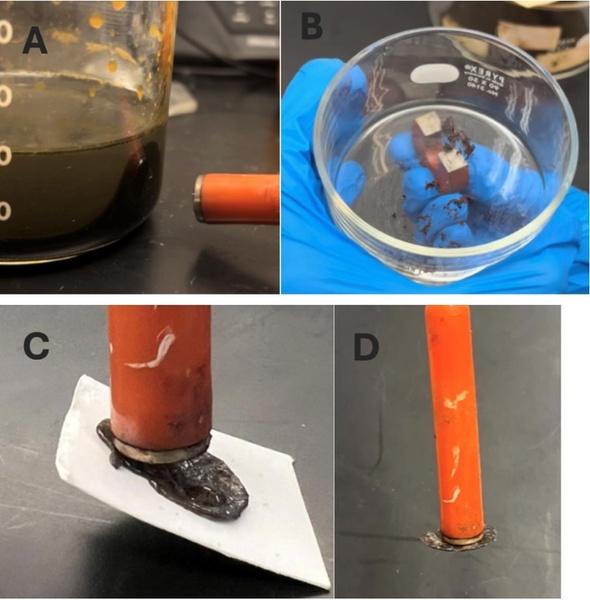
Here the authors propose integrating magnetic iron (II) oxide nanoparticles into the high-density polyethylene linings of disposable paper cups to create a waterproof, magnetically responsive composite liner. Their findings demonstrate that these nanoparticles successfully bond with the plastic layer without disrupting its structural integrity, offering a viable method to improve plastic recovery through magnetic recycling and mitigate global microplastic pollution.
Read More...Investigating Lemna minor and microorganisms for the phytoremediation of nanosilver and microplastics
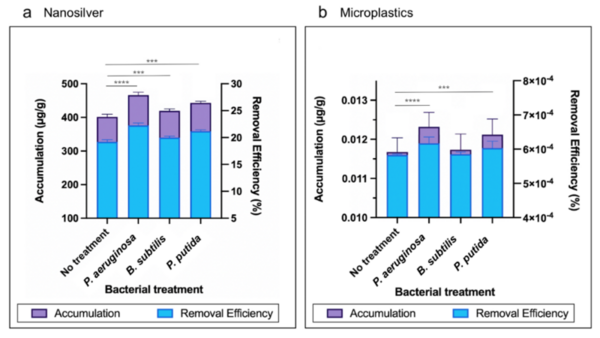
The authors looked at phytoremediation, the process by which plants are used to remove pollutants from our environment, and the ability of Lemna minor to perform phytoremediation in various simulated polluted environments. The authors found that L. minor could remove pollutants from the environment and that the addition of bacteria increased this removal.
Read More...Surface cleanliness of hydrothermally grown zinc oxide microparticles compared to commercial nanoparticles
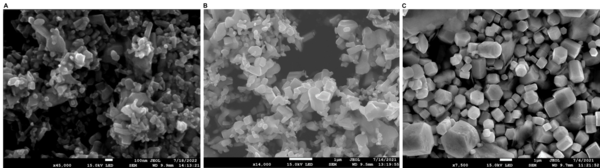
The authors test the usefulness of zinc oxide microparticles relative to zinc oxide nanoparticles as antibacterial agents.
Read More...Effects of cleaning agents on bacterial growth on refrigerator surfaces
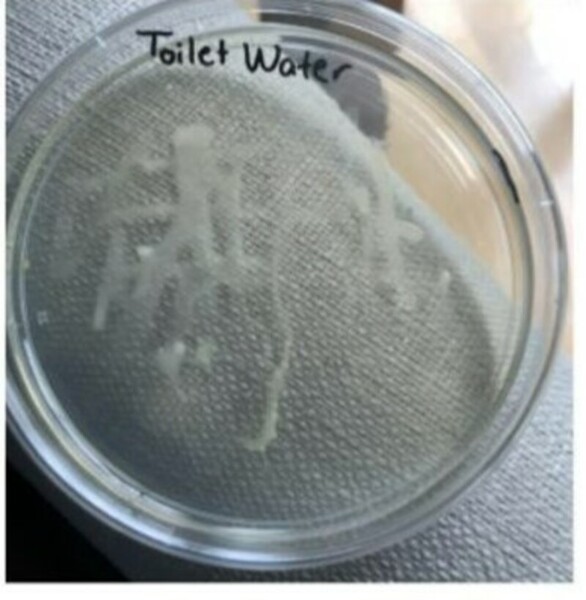
The authors test the effectiveness of various cleaning agents on refrigerator shelves.
Read More...A novel filtration model for microplastics using natural oils and its application to the environment
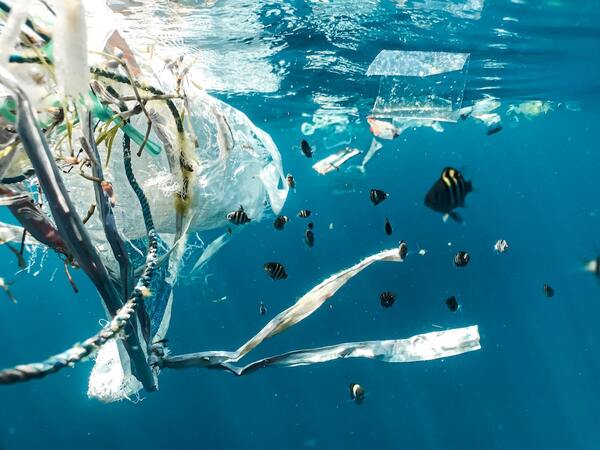
Recognizing the need for a method to filter microplastics from polluted water the authors sought to use nonpolar solvents, palm oil and palm kernel oil, to filter microplastics out of model seawater. By relying on the separation of polar and nonpolar solvents followed by freezing the nonpolar solvent, they reported that microplastics could be extracted with percentages ranging from 96.2% to 94.2%. They also provided an estimation to use this method as part of container ships to clean the Pacific Ocean of microplastics.
Read More...Evaluating cinnamaldehyde as an antibacterial agent in a produce wash for leafy greens

Recognizing a growing demand for organic produce, the authors sought to investigate plant-based antibiotic solutions to meet growing consumer demand for safe produce and also meet microbial standards of the USDA. The authors investigated the use of cinnamaldehyde as an antibacterial again E. coli, finding that lettuce treated with cinnamaldehyde displayed significantly lower colony-forming units of E. coli when compared to lettuce treated with chlorine bleach.
Read More...