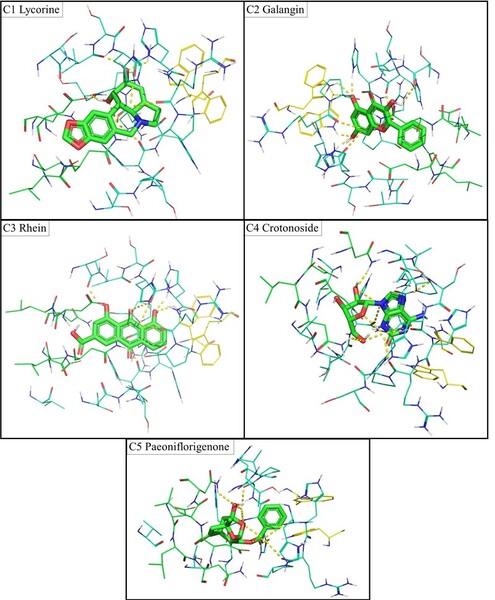
A common form of Acne is caused by a species of bacterium called Cutibacterium acnes. By using a predictive algorithm and structural analysis, the authors identified 5 small molecules with high affinity to growth factors in Catibacterium acnes. This has potential implications for supplemental skincare products.
Read More...Browse Articles
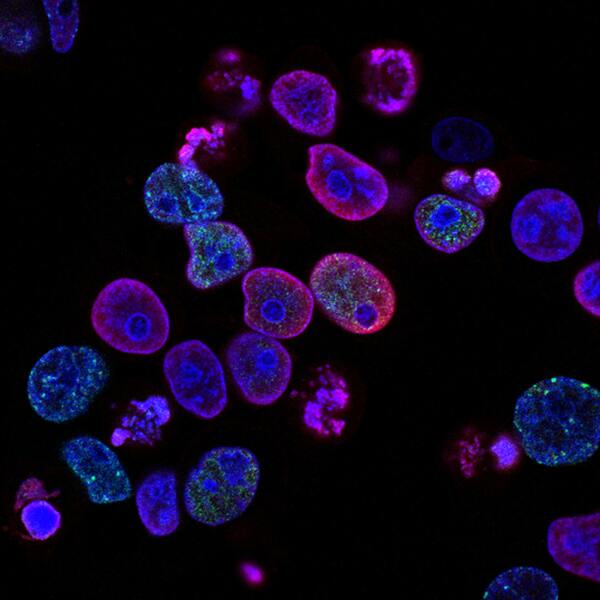
Reducing PMA-induced COX-2 expression using a herbal formulation in MCF-7 breast cancer cells
In this study, the authors investigate the effect of a herbal formulation on Cyclooxygenase-2 (COX-2) expression in cancer cells. High levels of COX-2 correlates with worsened cancer outcomes and the authors hypothesize that the formulation will inhibit COX-2 levels.
Read More...Enhancing the quantum efficiency of a silicon solar cell using one dimensional thin film interferometry
Here, recognizing the need to improve the efficiency of the conversion of solar energy to electrical energy, the authors used MATLAB to mathematically simulate a multi-layered thin film with an without an antireflective coating. They found that the use of alternating ZnO-SiO2 multilayers enhanced the transmission of light into the solar cell, increasing its efficiency and reducing the reflectivity of the Si-Air interface.
Read More...Innovative Treatment for Reducing Senescence and Revitalizing Aging Cells through Gene Silencing
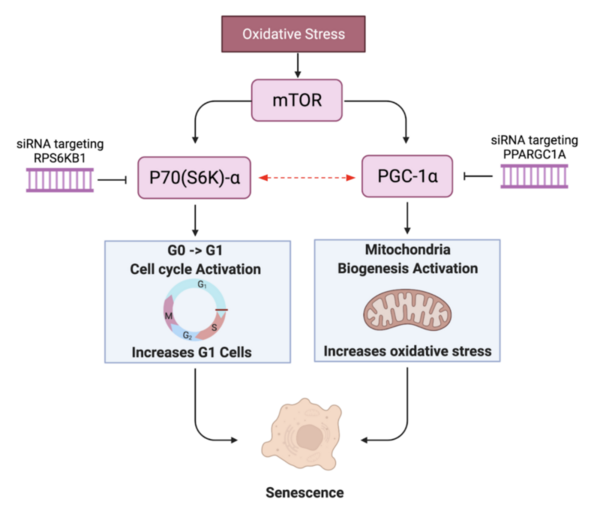
Cellular senescence plays a key role in aging cells and is attributed to a number of disease and pathology. These authors find that genetic editing of both RPS6KB1 and PPARGC1A revitalizes a human skin fibroblast cell line.
Read More...Novel anticancer effects of melatonin and berberine via signaling pathways in colorectal cancer and lymphoma
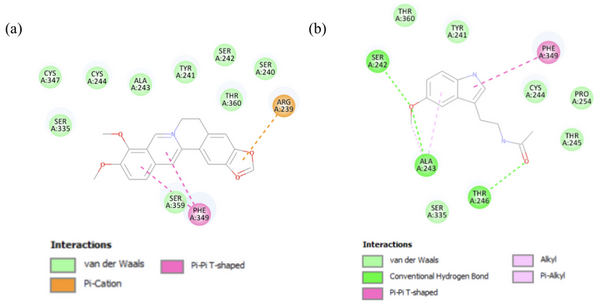
The authors looked at the ability of berberine in combination with melatonin to have anticancer effects when tested in an in vitro cell model.
Read More...The Role of Temporal Lobe Epilepsy in Cardiac Structure and Function
Cardiac autonomic and structural changes may occur in temporal lobe epilepsy patients and contribute to the risk of sudden unexpected death in epilepsy patients. Choi and colleagues reviewed clinical charts to obtain patients’ lifetime seizure count, antiepileptic drug use, and history of heart disease, followed by transthoracic echocardiogram to calculate left ventricle dimensions, ejection fraction, and left ventricle mass. By comparing epilepsy patients to control subjects, they found that epilepsy patients had thinner left ventricle walls and smaller ejection fraction, but with no significant difference in left ventricle mass.
Read More...The analysis of the antimicrobial benefits of Populus balsamifera
In this study, the authors investigated the antimicrobial properties of the tree species, Populus balsamifera. It was observed that the extract of the buds of P. balsamifera was highly effective against gram-positive bacteria. This helps to indicate the potential use of P. balsamifera in the medical field to eliminate gram-positive bacteria.
Read More...