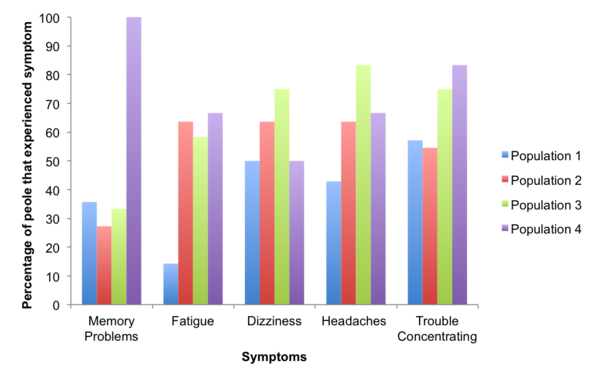
The Default Mode Network (DMN) is a network of connected brain regions that are active when the brain is not focused on external tasks. Minor brain injuries, such as concussions, can affect this network and manifest symptoms. In this study, the authors examined correlations between DMN age and post-concussion symptoms in previously concussed individuals and healthy controls.
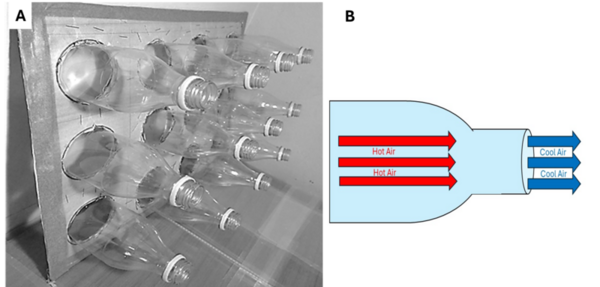
In the study, the authors looked at an environmentally friendly alternative to A/C systems/cooling. They wanted to test the effectiveness of this cooling system called the Eco-Cooler as well as see if they could improve it. They found that the Eco-Cooler had minimal cooling, while their altered Eco-Cooler system had some cooling. This results shows the use of water helps cool the environment a lot more.
This paper discusses how the conditions at the center of stars affects the nuclear reactions that happen inside these stars. We focused on the effect of temperature and density and found that these two properties interacted to create a greater effect when combined than when separate.
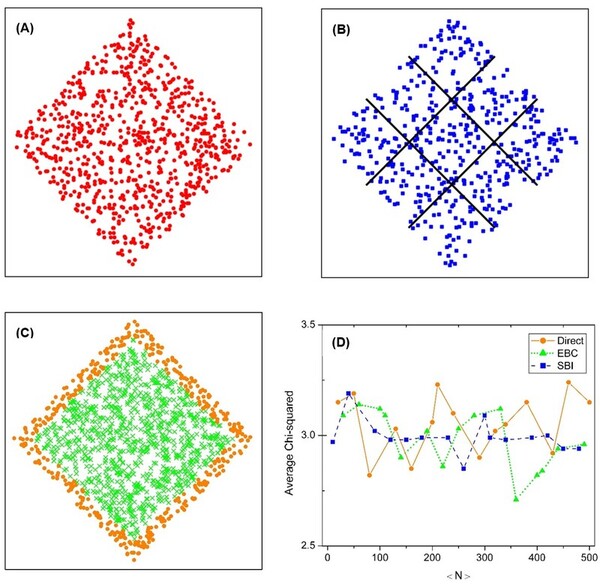
The causal set theory (CST) is a theory of the small-scale structure of spacetime, which provides a discrete approach to describing quantum gravity. Studying the properties of causal sets requires methods for constructing appropriate causal sets. The most commonly used approach is to perform a random sprinkling. However, there are different methods for sprinkling, and it is not clear how each commonly used method affects the results. We hypothesized that the methods would be statistically equivalent, but that some noticeable differences might occur, such as a more uniform distribution for the sub-interval sprinkling method compared to the direct sprinkling and edge bias compensation methods. We aimed to assess this hypothesis by analyzing the results of three different methods of sprinkling. For our analysis, we calculated distributions of the longest path length, interval size, and paths of various lengths for each sprinkling method. We found that the methods were statistically similar. However, one of the methods, sub-interval sprinkling, showed some slight advantages over the other two. These findings can serve as a point of reference for active researchers in the field of causal set theory, and is applicable to other research fields working with similar graphs.
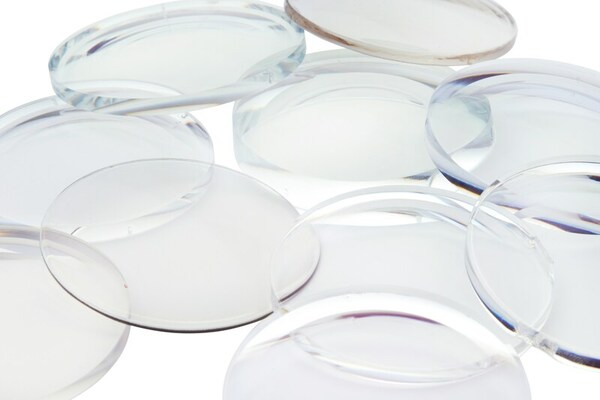
Here the authors investigated the optical possibilities of gelatin and acrylic in regards to potential implementations at soft contact lenses. They fabricated lenses of different shapes and evaluated the refraction of laser light finding that gelatin needed to be thickened or increased in curvature to account for its lower refractive index compared to plastics, or used in a mixture to strengthen the lens.
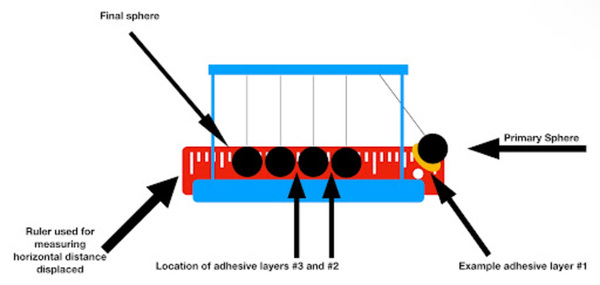
The energy conservation in a system of objects in collision depends on the elasticity of the objects and environmental factors such as air resistance. One system that relies heavily on elasticity is the Newton’s Cradle. We aimed to determine the extent to which these adhesives serve to mitigate or worsen the chaotic movements and elastic collisions.
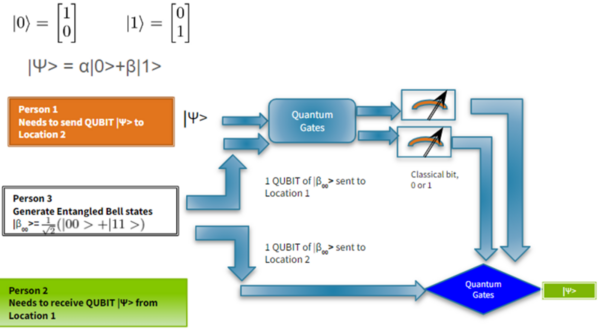
Quantum computers can perform computational tasks beyond the capability of classical computers, such as simulating quantum systems in materials science and chemistry. Quantum teleportation is the transfer of quantum information across distances, relying on entangled states generated by quantum computing. We sought to mitigate the error of quantum teleportation which was simulated on IBM cloud quantum computers.
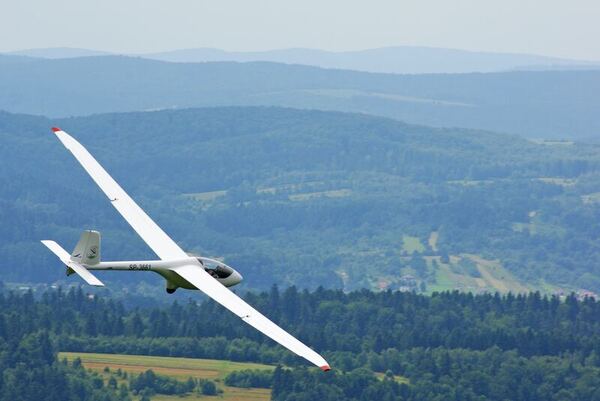
Here, the authors sought to identify a method to optimize the lift generated by an airfoil based solely on its shape. By beginning with a Bernoullian model to predict an optimized wing shape, the authors then tested their model against other possible shapes by constructing them from Styrofoam and testing them in a small wind tunnel. Contrary to their hypothesis, they found their expected optimal airfoil shape did not result in the greatest lift generation. They attributed this to a variety of confounding variables and concluded that their results pointed to a correlation between airfoil shape and lift generation.
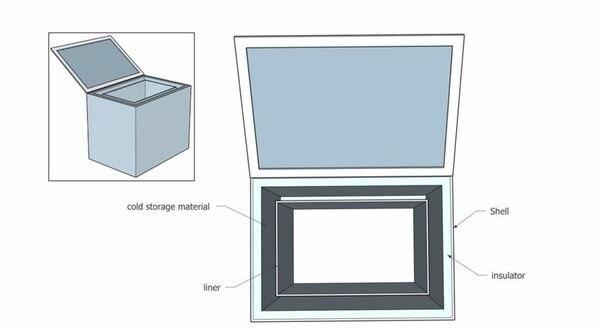
With low-temperature transportation being critical for the progress of research and medical services by preserving biological samples and vaccines, the optimization of cold storage materials is more critical now than ever. The exclusive use of dry ice has its limitations. Notably, it proves insufficient for cold storage during long-range transportation necessary for the delivery of specimens to rural areas. In this article, the authors have proposed a new means of cold storage through the combination of dry ice and ethanol. Upon thorough analysis, the authors have determined their new method as considerably better than the use of pure dry ice across many characteristics, including cold storage capacity, longevity of material, and financial and environmental feasibility.
.png)